
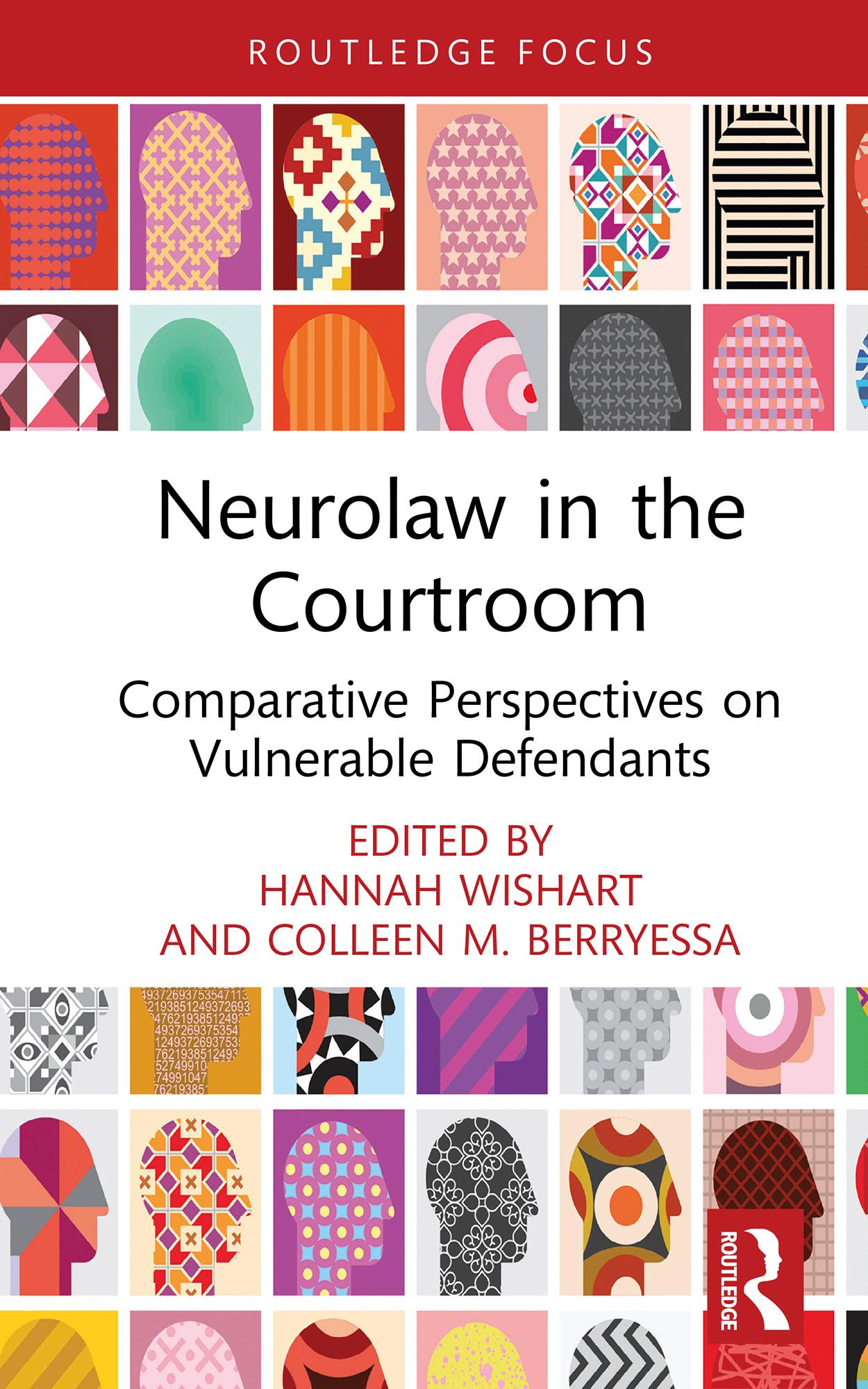
This collection presents a comparative perspective on interdisciplinary issues that fall under the emerging field of Neurolaw. The chapters embrace distinct procedural and evidential issues in the courtroom for vulnerable defendants, such as immature defendants, mentally disordered offenders and unfit-to-plead defendants, through a neuroscientific lens. This view is informed by worldwide analyses from legal academics, philosophers, and legal practitioners. The work brings together interdisciplinary and leading perspectives to discuss the use and relevancy of neuroscience at trial, and how the use of neuroscience is currently benefiting and impacting vulnerable defendants in global criminal trials. As such, the book builds upon and adds to the existing literature in this field by providing a comprehensive coverage of the intersection between these disciplines for vulnerable defendants in the courtroom. Key issues covered include: vulnerable defendants and the pre-trial process; the trial process; the use of neuroscience as expert evidence at trial; and vulnerable defendants, neuroscience and mitigation of sentence. Through original exploration presented by contributors from both academia and practice, the book will be of interest to academics, researchers and policy-makers working in the areas of Criminal Law and Procedure.
Płać wygodnie kartą, Klarną, Apple Pay lub Google Pay. Nie jesteś zadowolony? Zawsze masz 14-dniową gwarancję zwrotu pieniędzy. Więcej przeczytasz w naszych warunkach. Masz pytania? Napisz do nas na hello@memmo.org.
Memmo ułatwia naukę – gdziekolwiek jesteś na świecie. U nas znajdziesz podręczniki i sprytne narzędzia do nauki w jednym miejscu: streszczenia, quizy, podcasty i fiszki. A do tego Ted, Twój kumpel do nauki, który odpowie na wszystko, co Cię nurtuje. Ponad 50 000 studentów już tu się uczy – stworzone, byś uczył się szybciej i mniej stresował.