
Zanim poznałem Memmo, moje notatki były rozrzucone po PDF-ach. Teraz obszar roboczy zbiera wszystko w jednym miejscu — widzę dokładnie, co jeszcze muszę powtórzyć.
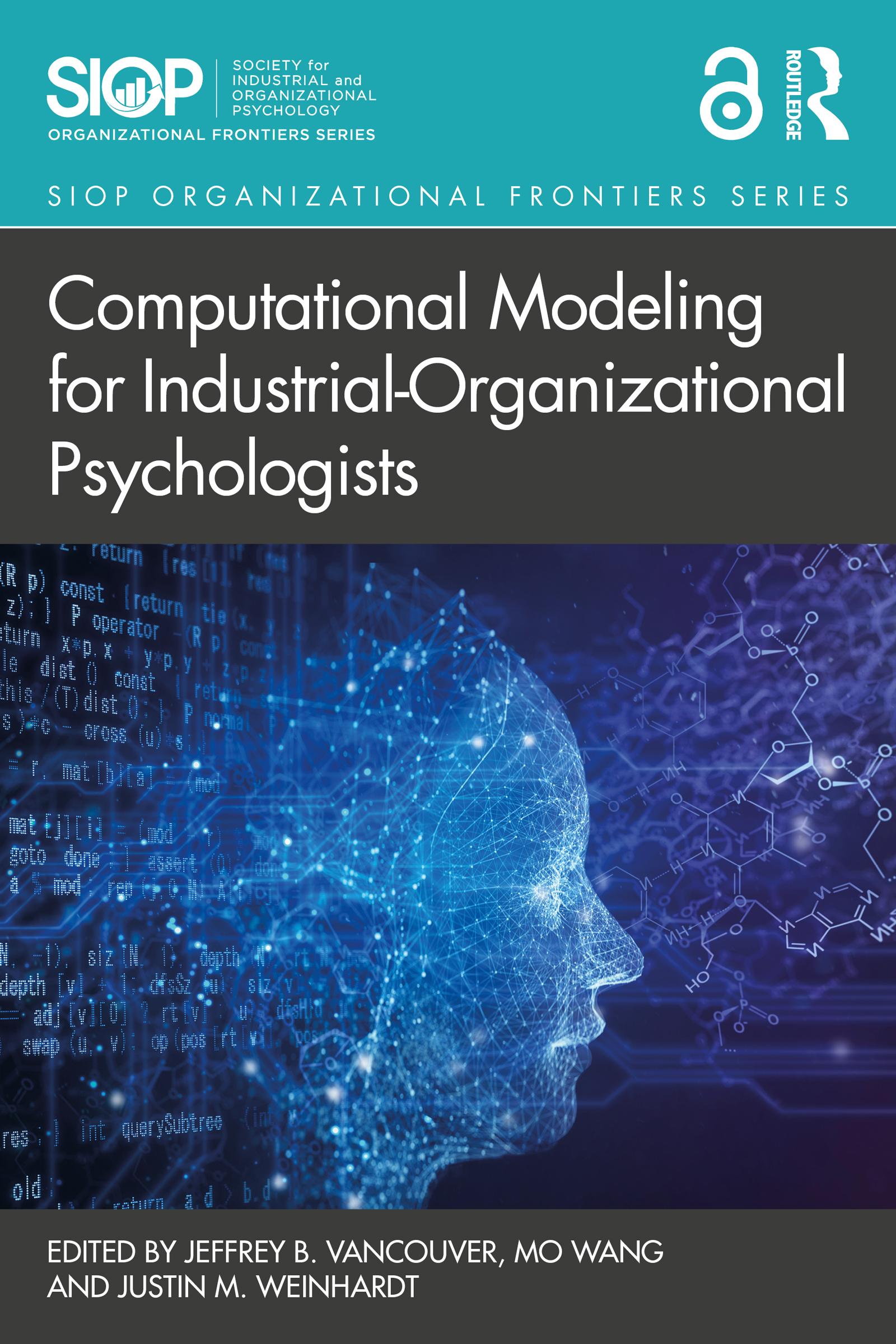
This collection provides a primer to the process and promise of computational modeling for industrial-organizational psychologists. With contributions by global experts in the field, the book is designed to expand readers’ appreciation for computational modeling via chapters focused on key modeling achievements in domains relevant to industrial-organizational psychology, including decision making in organizations, diversity and inclusion, learning and training, leadership, and teams.
To move the use of computational modeling forward, the book includes specific how-to-chapters on two of the most commonly used modeling approaches: agent-based modeling and system dynamics modeling. It also gives guidance on how to evaluate these models qualitatively and quantitatively, and offers advice on how to read, review, and publish papers with computational models. The authors provide an extensive description of the myriad of values computational modeling can bring to the field, highlighting how they offer a more transparent, precise way to represent theories and can be simulated to offer a test of the internal consistency of a theory and allow for predictions. This is accompanied by an overview of the history of computational modeling as it relates to I-O psychology. Throughout, the authors reflect on computational modeling’s journey, looking back to its history as they imagine its future in I-O psychology.
Each contribution demonstrates the value and opportunities computational modeling can provide the individual researcher, research teams, and fields of I-O psychology and management. This volume is an ideal resource for anyone interested in computational modeling, from scholarly consumers to computational model creators.
Chapter 1 of this book is freely available as a downloadable Open Access PDF at http://www.taylorfrancis.com under a Creative Commons Attribution-Non Commercial-No Derivatives (CC-BY-NC-ND) 4.0 license.
Zanim poznałem Memmo, moje notatki były rozrzucone po PDF-ach. Teraz obszar roboczy zbiera wszystko w jednym miejscu — widzę dokładnie, co jeszcze muszę powtórzyć.
Podsumowania Memmo to złoto przed egzaminami. Nie muszę czytać 800 stron dwa tygodnie wcześniej — tylko to, co najważniejsze.
Czat AI uratował mnie niejeden raz w noc przed egzaminem. Pytam, dopóki nie zrozumiem — i nie muszę czekać na odpowiedź od grupy studyjnej.
Quizy trafiają w punkt, jeśli chodzi o to, co muszę wiedzieć. Memmo śledzi, na czym się zacinam — więc ćwiczę tylko to, co naprawdę się liczy.
Fiszki z powtórkami rozłożonymi w czasie to magia. Memmo wie, kiedy mam coś zapomnieć i przypomina mi o tym.
Podcasty AI to mój faworyt. Słucham w drodze do szkoły i powtarzam materiał, nie siedząc przed komputerem.

Handbok i kvalitativa metoder
281 kr

Hållbar utveckling: en introduktion för ingenjörer och andra problemlösare
334 kr

Brymans Samhällsvetenskapliga metoder
390 kr

Projektledning
491 kr

Den orättvisa hälsan: om socioekonomiska skillnader i hälsa och livslängd
326 kr

Organizational Leadership
429 kr

Vetenskapsteori för nybörjare
196 kr

På väg mot läraryrket
172 kr

Det sociala livet i skolan: Socialpsykologiska perspektiv
253 kr

Betygsättningens didaktik
151 kr

Personality
402 kr

Studying Leadership
404 kr

Managing Innovation
477 kr

Introduktion till samhällsvetenskaplig metod
347 kr

The Psychology of Sex and Gender
698 kr

Introduction to Leadership
605 kr

Evidens och kunskap för socialt arbete
207 kr