
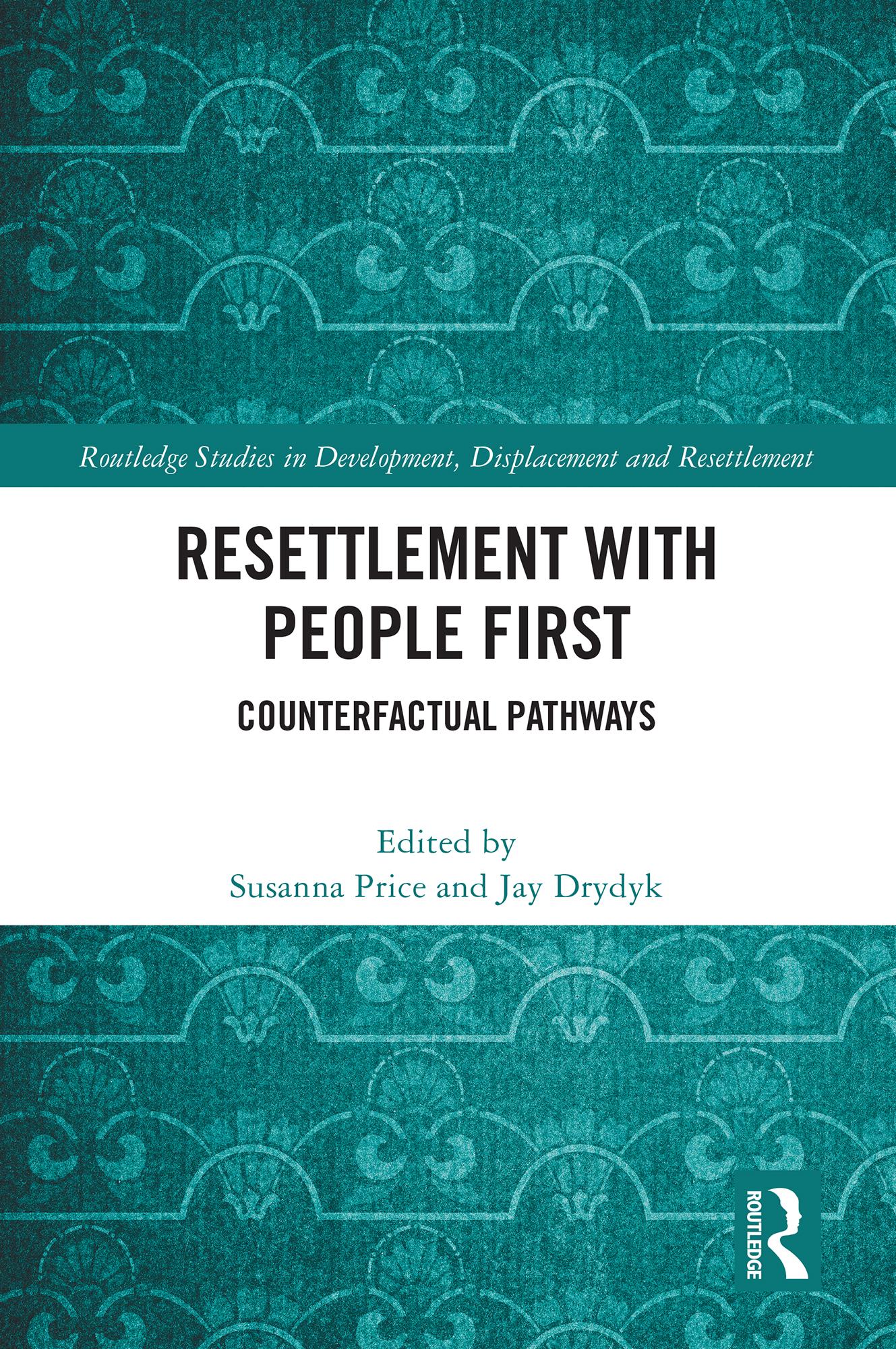
Should people in the way lose out as new reservoirs, mines, plantations, or superhighways displace them from their homes and livelihoods? What if the process of resettlement were made accountable to those impacted, empowering them to achieve just outcomes and to share in the benefits of development projects? This book seeks to answer these questions, putting forward powerful counterfactual case studies to assess what problems real-world development projects would likely have avoided if the project had included the affected people in decision making about whether and how they should resettle.
Drawing on contributions from leading and emerging scholars from around the world, this book considers cases involving dams, mines, roads, and housing, amongst others, from Asia, Africa, and South America. In each case, the counterfactual approach invites us to reconsider how the dynamics of accountability play out through resettlement hazards and the asymmetries of power relations in the negotiation of displacement benefits and redress. Considering a range of theoretical and ethical perspectives, the book concludes with practical, alternative policy suggestions for displacement arising both from development and from slow onset climate change.
This book’s novel approach focussing on the people's agency in the dynamics of governance, accountability, and (dis)empowerment in development projects with displacement and resettlement will appeal to academic researchers, development practitioners, and policymakers.
Płać wygodnie kartą, Klarną, Apple Pay lub Google Pay. Nie jesteś zadowolony? Zawsze masz 14-dniową gwarancję zwrotu pieniędzy. Więcej przeczytasz w naszych warunkach. Masz pytania? Napisz do nas na hello@memmo.org.
Memmo ułatwia naukę – gdziekolwiek jesteś na świecie. U nas znajdziesz podręczniki i sprytne narzędzia do nauki w jednym miejscu: streszczenia, quizy, podcasty i fiszki. A do tego Ted, Twój kumpel do nauki, który odpowie na wszystko, co Cię nurtuje. Ponad 50 000 studentów już tu się uczy – stworzone, byś uczył się szybciej i mniej stresował.