
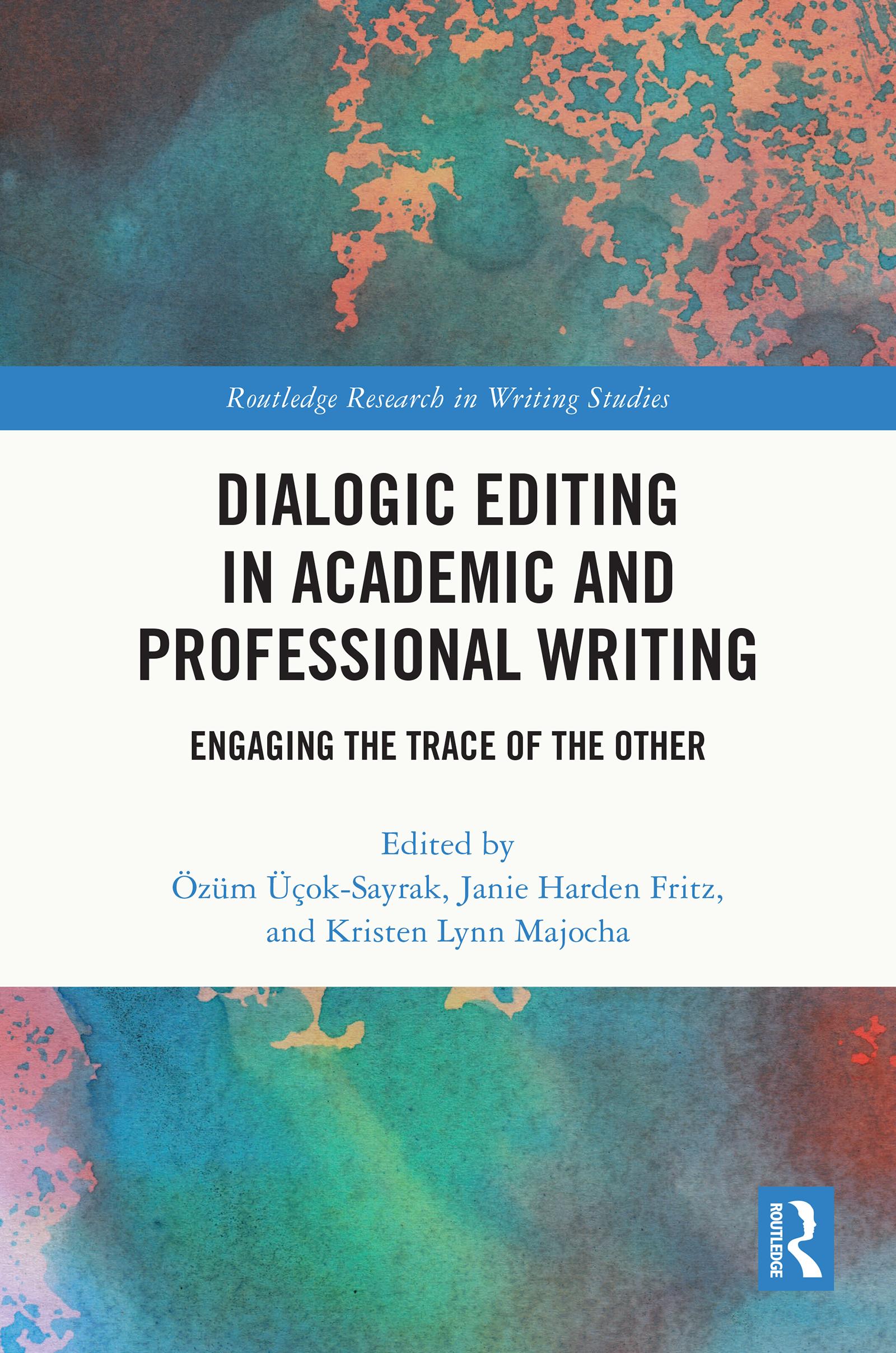
This book brings attention to the communicative process of editing as a dialogic experience that is attentive to the voice of the Other and underlines an ethical turn for the editing process.
The volume focuses on an essential, yet undertheorized, aspect of the communicative practice of editing by reading and receiving the voice of the Other and offering feedback toward assisting the text to find a voice without turning it into the voice of the editor. Utilizing the theoretical and philosophical frameworks of a diverse group of leading scholars and philosophers, contributors to this volume explore the editing process as connected to communication ethics that calls for discernment of what matters.
With its philosophical underpinnings, this book will especially be of interest to researchers and students in multiple disciplines in humanities and the social sciences, including communication studies, dialogue studies, philosophy, literature, composition studies, education, history, anthropology, psychology, sociology, religious studies, and political science.
Płać wygodnie kartą, Klarną, Apple Pay lub Google Pay. Nie jesteś zadowolony? Zawsze masz 14-dniową gwarancję zwrotu pieniędzy. Więcej przeczytasz w naszych warunkach. Masz pytania? Napisz do nas na hello@memmo.org.
Memmo ułatwia naukę – gdziekolwiek jesteś na świecie. U nas znajdziesz podręczniki i sprytne narzędzia do nauki w jednym miejscu: streszczenia, quizy, podcasty i fiszki. A do tego Ted, Twój kumpel do nauki, który odpowie na wszystko, co Cię nurtuje. Ponad 50 000 studentów już tu się uczy – stworzone, byś uczył się szybciej i mniej stresował.