
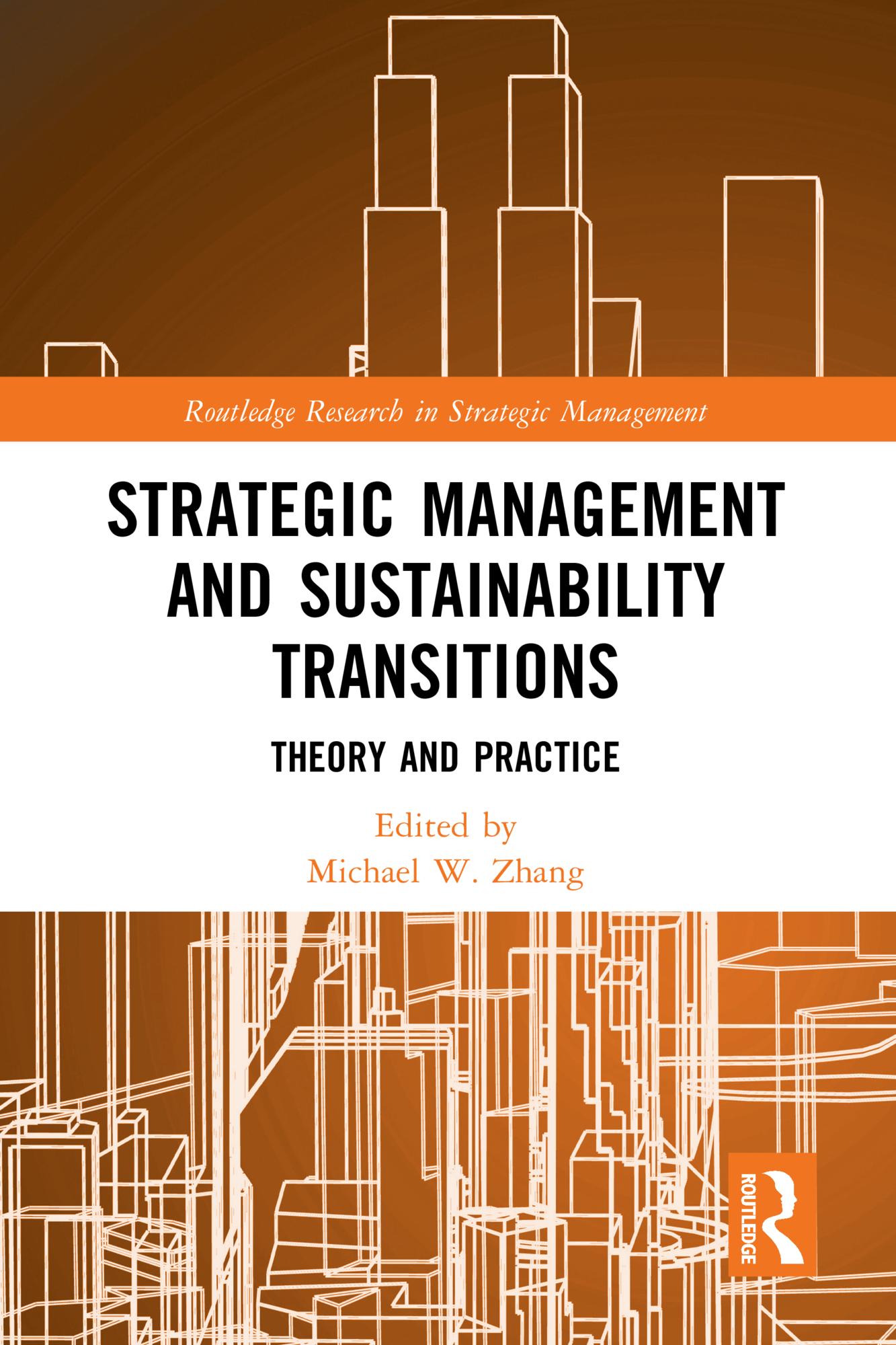
The subject of sustainability transitions has, in the past decade or so, become an established research field for academics, policy makers and practitioners alike. Conceptual and theoretical developments in the filed have gradually advanced from the perspectives of socio-technical systems and business models. Scholars contend that it is the interactions of the networks of actors, technologies, and institutions that drive transition processes toward sustainability. In this volume we further advance this line of inquiry with a special reference to strategic management of sustainability transitions, in both theory and practice. In theoretical development, we have selected three chapters to encompass the themes of (1) the interactions between ecological systems and human systems; (2) a critique on the continuous expansion of large multinational companies and their strategic control of key resource inputs through the lenses of circular economy and natural resource-based view; and (3) a multi-stakeholder ecosystems framework for the management of sustainability transitions with structural alignment of focal value propositions. The United Nations’ Sustainable Development Goals (SDGs) are critically addressed and empirically examined. It will become an essential reader and a reference book for researchers and postgraduate students interested in strategic management, international business, innovation studies, consumer behavior, and public administration.
Płać wygodnie kartą, Klarną, Apple Pay lub Google Pay. Nie jesteś zadowolony? Zawsze masz 14-dniową gwarancję zwrotu pieniędzy. Więcej przeczytasz w naszych warunkach. Masz pytania? Napisz do nas na hello@memmo.org.
Memmo ułatwia naukę – gdziekolwiek jesteś na świecie. U nas znajdziesz podręczniki i sprytne narzędzia do nauki w jednym miejscu: streszczenia, quizy, podcasty i fiszki. A do tego Ted, Twój kumpel do nauki, który odpowie na wszystko, co Cię nurtuje. Ponad 50 000 studentów już tu się uczy – stworzone, byś uczył się szybciej i mniej stresował.