
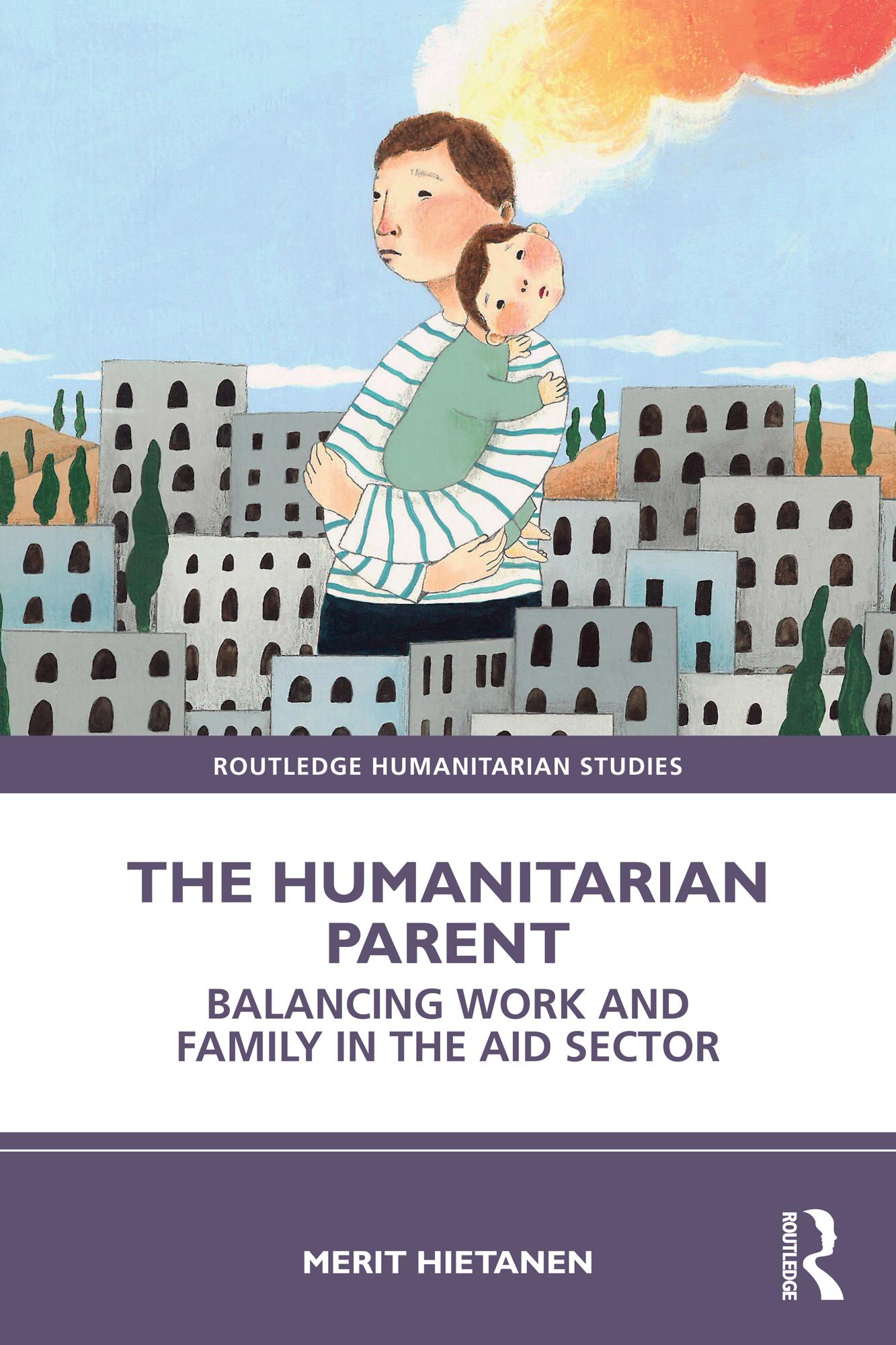
Aid sector staff work in some of the world’s most challenging environments, from conflict zones to sites of natural disaster and refugee camps. For a long time, the aid worker was typified by the lone white male, flying from place to place and seeing his family during the holidays. But now, as the world changes and the sector diversifies, how can family life be reconciled with the challenges and travel commitments of this particularly difficult career? This book delves deep into these challenges, exposing the problems that persist and pointing a path for organisations to adopt a more human-centred, staff-centred, parent-centred, feminist approach to humanitarian and development work.
Drawing on the author’s own experiences as an aid worker, as well as extensive original interviews and desk research, the book looks at the challenges faced by those who aspire to a family life, from finding a partner who is willing and able to live in the same location, to dating in difficult contexts, to being away from home and extended family, finding child care, and settling children in new countries and cultures. Local workers face their own challenges, often suffering from a lack of support in comparison to their international colleagues. For many, the cost is too great, and the sector suffers from a brain drain as experienced staff leave.
It doesn’t need to be this way. The book points a way for organisations to adopt policies that support mothers and fathers. As well as being a useful guide for aid professionals who are themselves navigating these issues, the book will be perfect for organisations looking to reform and for students wishing to understand the realities of a career in aid.
Płać wygodnie kartą, Klarną, Apple Pay lub Google Pay. Nie jesteś zadowolony? Zawsze masz 14-dniową gwarancję zwrotu pieniędzy. Więcej przeczytasz w naszych warunkach. Masz pytania? Napisz do nas na hello@memmo.org.
Memmo ułatwia naukę – gdziekolwiek jesteś na świecie. U nas znajdziesz podręczniki i sprytne narzędzia do nauki w jednym miejscu: streszczenia, quizy, podcasty i fiszki. A do tego Ted, Twój kumpel do nauki, który odpowie na wszystko, co Cię nurtuje. Ponad 50 000 studentów już tu się uczy – stworzone, byś uczył się szybciej i mniej stresował.