
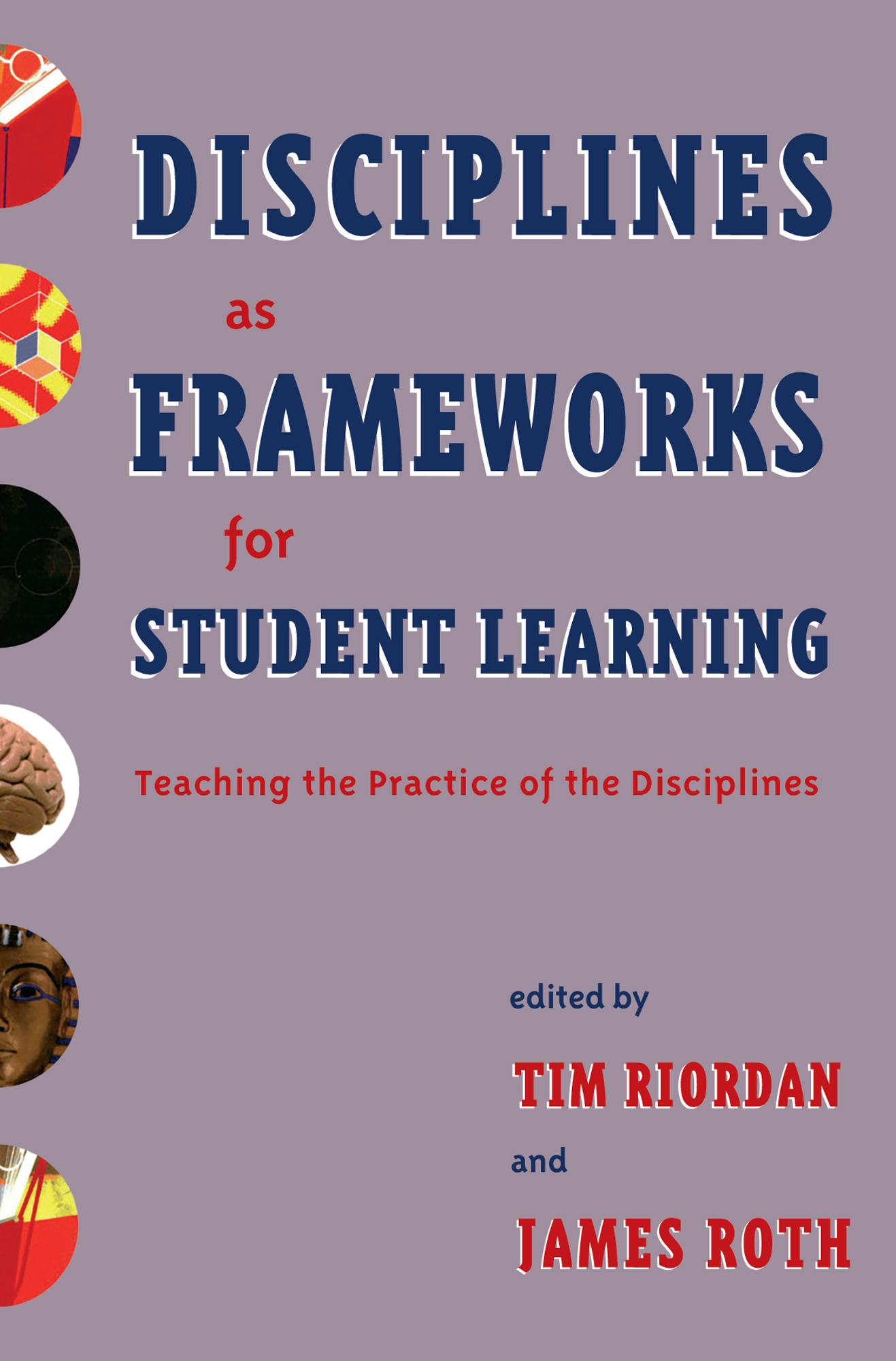
* What should students be able to do and how should they be able to think as a result of study in a discipline?* What does learning in the disciplines look like at different developmental levels?* How does one go about designing such learning and assessment in the disciplines?* What institutional structures and processes can assist faculty to engage and teach their disciplines as frameworks for student learning?Creating ways to make a discipline come alive for those who are not experts–even for students who may not take more than one or two courses in the disciplines they study–requires rigorous thought about what really matters in a field and how to engage students in the practice of it.Faculty from Alverno College representing a range of liberal arts disciplines–chemistry, economics, history, literature, mathematics and philosophy–here reflect on what it has meant for them to approach their disciplines as frameworks for student learning. They present the intellectual biographies of their explorations, the insights they have gained and examples of the practices they have adopted.The authors all demonstrate how the ways of thinking they have identified as significant for their students in their respective disciplines have affected the way they design learning experiences and assessments. They show how they have shaped their teaching around the ways of thinking they want their students to develop within and across their disciplines; and what that means in terms of designing assessments that require students to demonstrate their thinking and understanding through application and use. This book will appeal to faculty interested in going beyond mere techniques to a more substantive analysis of how their view of their respective disciplines might change when seen through the lens of student learning. It will also serve the needs of graduate students; trainers of Tas; and anyone engaged in faculty development or interested in the scholarship of teaching.
Płać wygodnie kartą, Klarną, Apple Pay lub Google Pay. Nie jesteś zadowolony? Zawsze masz 14-dniową gwarancję zwrotu pieniędzy. Więcej przeczytasz w naszych warunkach. Masz pytania? Napisz do nas na hello@memmo.org.
Memmo ułatwia naukę – gdziekolwiek jesteś na świecie. U nas znajdziesz podręczniki i sprytne narzędzia do nauki w jednym miejscu: streszczenia, quizy, podcasty i fiszki. A do tego Ted, Twój kumpel do nauki, który odpowie na wszystko, co Cię nurtuje. Ponad 50 000 studentów już tu się uczy – stworzone, byś uczył się szybciej i mniej stresował.