
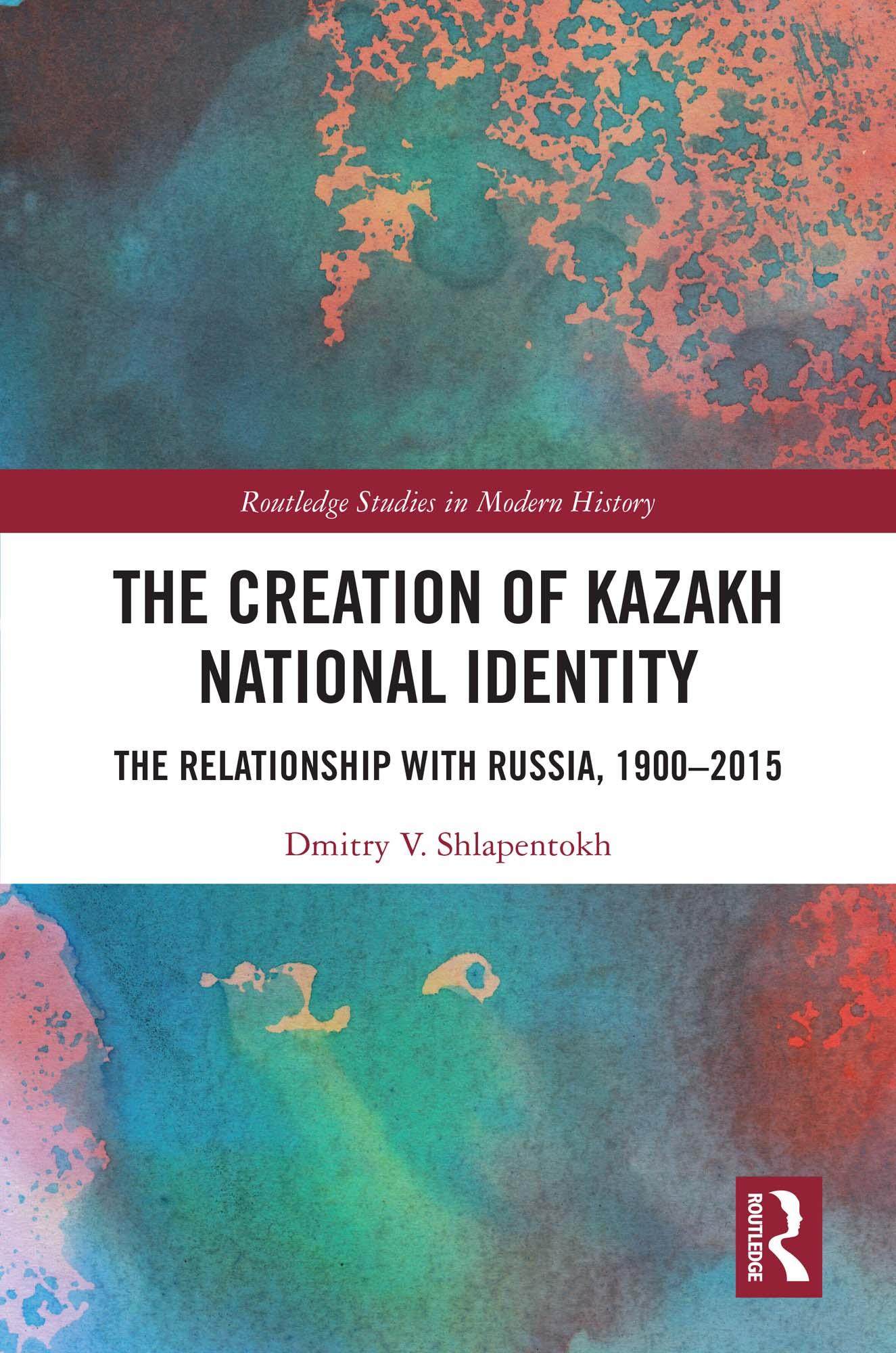
This monograph utilizes three theoretical models to explain Kazakhstan’s emergence as an independent state and its changing relationships with the broader world, particularly Russia, since the beginning of the twentieth century.
The book first explores the construction of Kazakh national identity and the ways in which intellectuals appealed to history to substantiate their claims about Kazakhstan’s future. Secondly, the narrative demonstrates that not all segments of totalitarian machinery work in unison. While terror reached its peak in the 1930s, cultural and ideological control was not as rigid as it would become in the late 1940s and early 1950s. Most importantly, the work is grounded in the study of the social universe. The book introduces the notion of “cosmos,” the peculiar connections between social, economic, and political forces. While not necessarily directly dependent on each other, they nevertheless created a unique interplay among the segments of societal structures and the state’s relationship with the wider universe. Taking this framework as the point of departure, this research analyzes Kazakhstan’s “multi-vectorism” as uniquely fit to contemporary global arrangements, when no global power dominates, and the lines between friend and foe are blurred.
This compelling approach to Kazakhstan’s history will appeal to postgraduate students and scholars in Russian history and world history.
Płać wygodnie kartą, Klarną, Apple Pay lub Google Pay. Nie jesteś zadowolony? Zawsze masz 14-dniową gwarancję zwrotu pieniędzy. Więcej przeczytasz w naszych warunkach. Masz pytania? Napisz do nas na hello@memmo.org.
Memmo ułatwia naukę – gdziekolwiek jesteś na świecie. U nas znajdziesz podręczniki i sprytne narzędzia do nauki w jednym miejscu: streszczenia, quizy, podcasty i fiszki. A do tego Ted, Twój kumpel do nauki, który odpowie na wszystko, co Cię nurtuje. Ponad 50 000 studentów już tu się uczy – stworzone, byś uczył się szybciej i mniej stresował.