
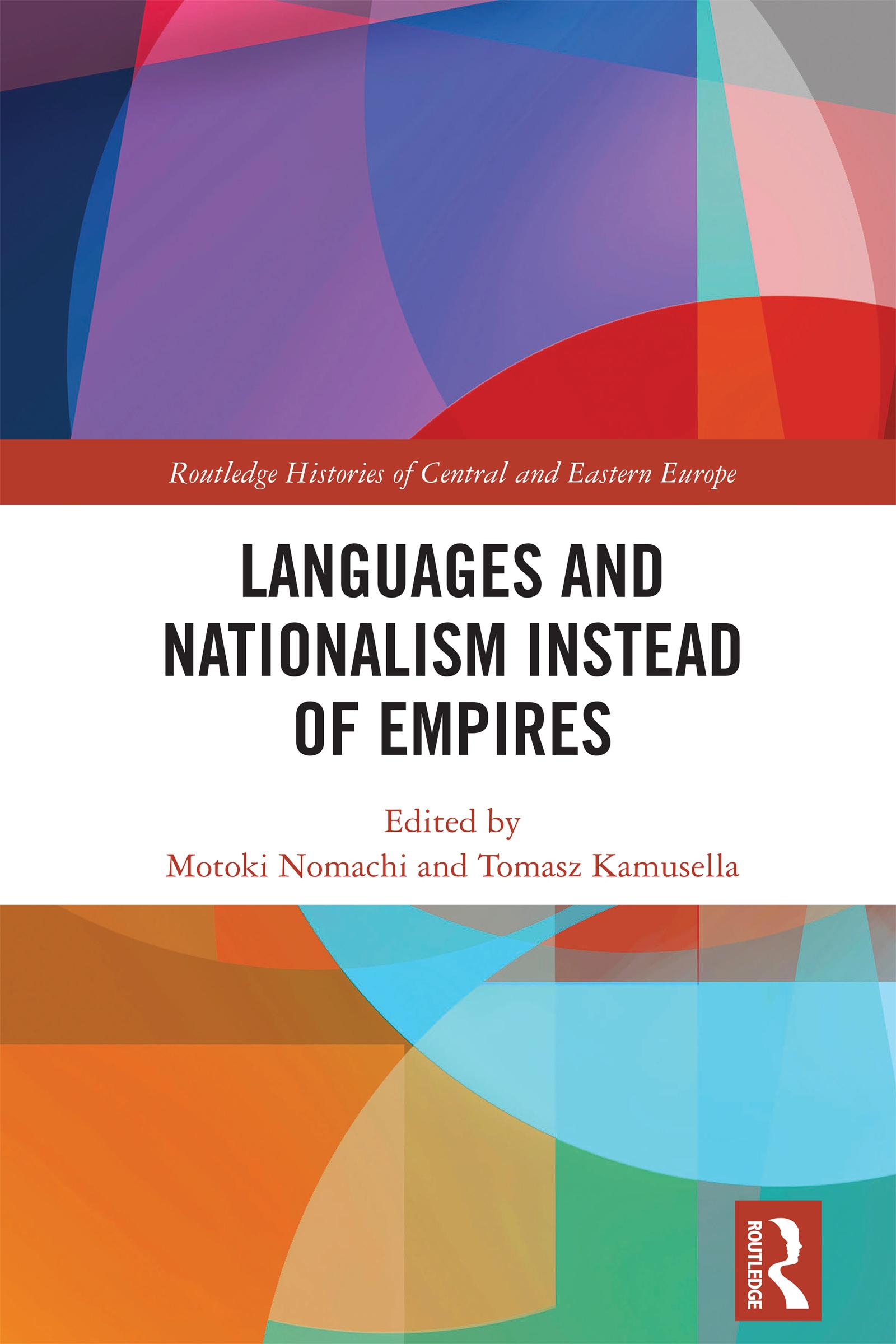
This volume probes into the mechanisms of how languages are created, legitimized, maintained, or destroyed in the service of the extant nation-states across Central Europe.
Through chapters from contributors in North America, Europe, and Asia, the book offers an interdisciplinary introduction to the rise of the ethnolinguistic nation-state during the past century as the sole legitimate model of statehood in today’s Central Europe. The collection’s focus is on the last three decades, namely the postcommunist period, taking into consideration the effects of the recent rise of cyberspace and the resulting radical forms of populism across contemporary Central Europe. It analyzes languages and their uses not as given by history, nature, or deity but as constructs produced, changed, maintained, and abandoned by humans and their groups. In this way, the volume contributes saliently to the store of knowledge on the latest social (sociolinguistic) and political history of the region’s languages, including their functioning in respective national polities and on the internet.
Languages and Nationalism Instead of Empires is a compelling resource for historians, linguists, and political scientists who work on Central and Eastern Europe.
Płać wygodnie kartą, Klarną, Apple Pay lub Google Pay. Nie jesteś zadowolony? Zawsze masz 14-dniową gwarancję zwrotu pieniędzy. Więcej przeczytasz w naszych warunkach. Masz pytania? Napisz do nas na hello@memmo.org.
Memmo ułatwia naukę – gdziekolwiek jesteś na świecie. U nas znajdziesz podręczniki i sprytne narzędzia do nauki w jednym miejscu: streszczenia, quizy, podcasty i fiszki. A do tego Ted, Twój kumpel do nauki, który odpowie na wszystko, co Cię nurtuje. Ponad 50 000 studentów już tu się uczy – stworzone, byś uczył się szybciej i mniej stresował.