
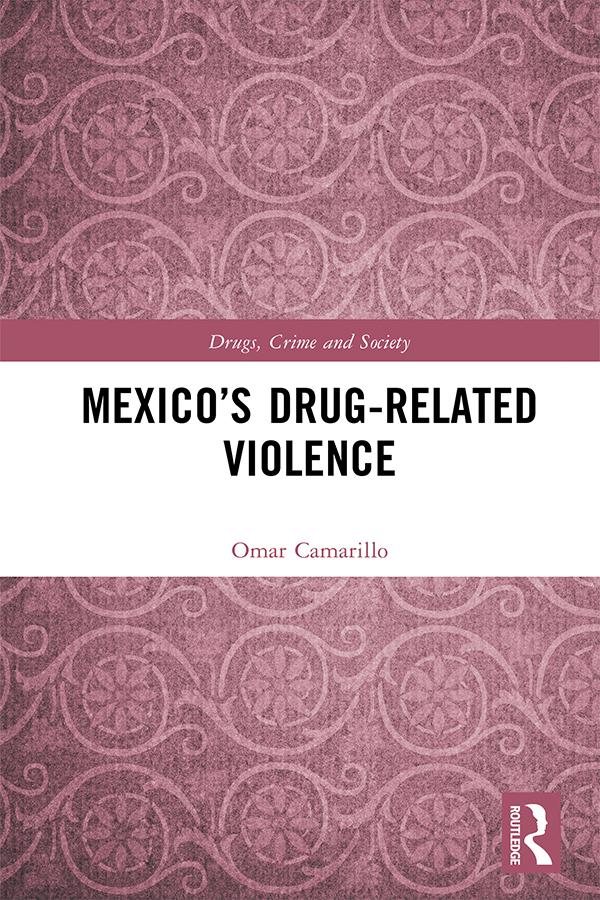
This book explores and explains how traditional and alternative media have framed the issues of gun trafficking into Mexico, drug-related violence, and spillover violence. It reveals how gun trafficking and drug-related violence are social problems for Mexico, while spillover violence is portrayed as a moral panic for the US.
Readers will gain a better understanding of how the media portrays and frames the criminal activity that is occurring in Mexico and how it impacts the US. The book analyzes national newspapers from both sides of the US–Mexico border—The New York Times and El Universal—and draws on a theoretical framework of moral panics, social problems, and cultivation theory. It reveals six framing devices, "the blame game," "worthy and unworthy victims," "positive aspects," "negative aspects of gun trafficking," "indirect mention of gun trafficking," and "direct mention of gun trafficking," which are utilized by The New York Times and El Universal to discuss and frame the issue of gun trafficking into Mexico and its impact on Mexico’s border violence.
Mexico’s Drug-Related Violence will be of great interest to students and scholars interested in the perception of media and crime, as well as those researching the topic of drug cartels and drug-related violence.
Płać wygodnie kartą, Klarną, Apple Pay lub Google Pay. Nie jesteś zadowolony? Zawsze masz 14-dniową gwarancję zwrotu pieniędzy. Więcej przeczytasz w naszych warunkach. Masz pytania? Napisz do nas na hello@memmo.org.
Memmo ułatwia naukę – gdziekolwiek jesteś na świecie. U nas znajdziesz podręczniki i sprytne narzędzia do nauki w jednym miejscu: streszczenia, quizy, podcasty i fiszki. A do tego Ted, Twój kumpel do nauki, który odpowie na wszystko, co Cię nurtuje. Ponad 50 000 studentów już tu się uczy – stworzone, byś uczył się szybciej i mniej stresował.