
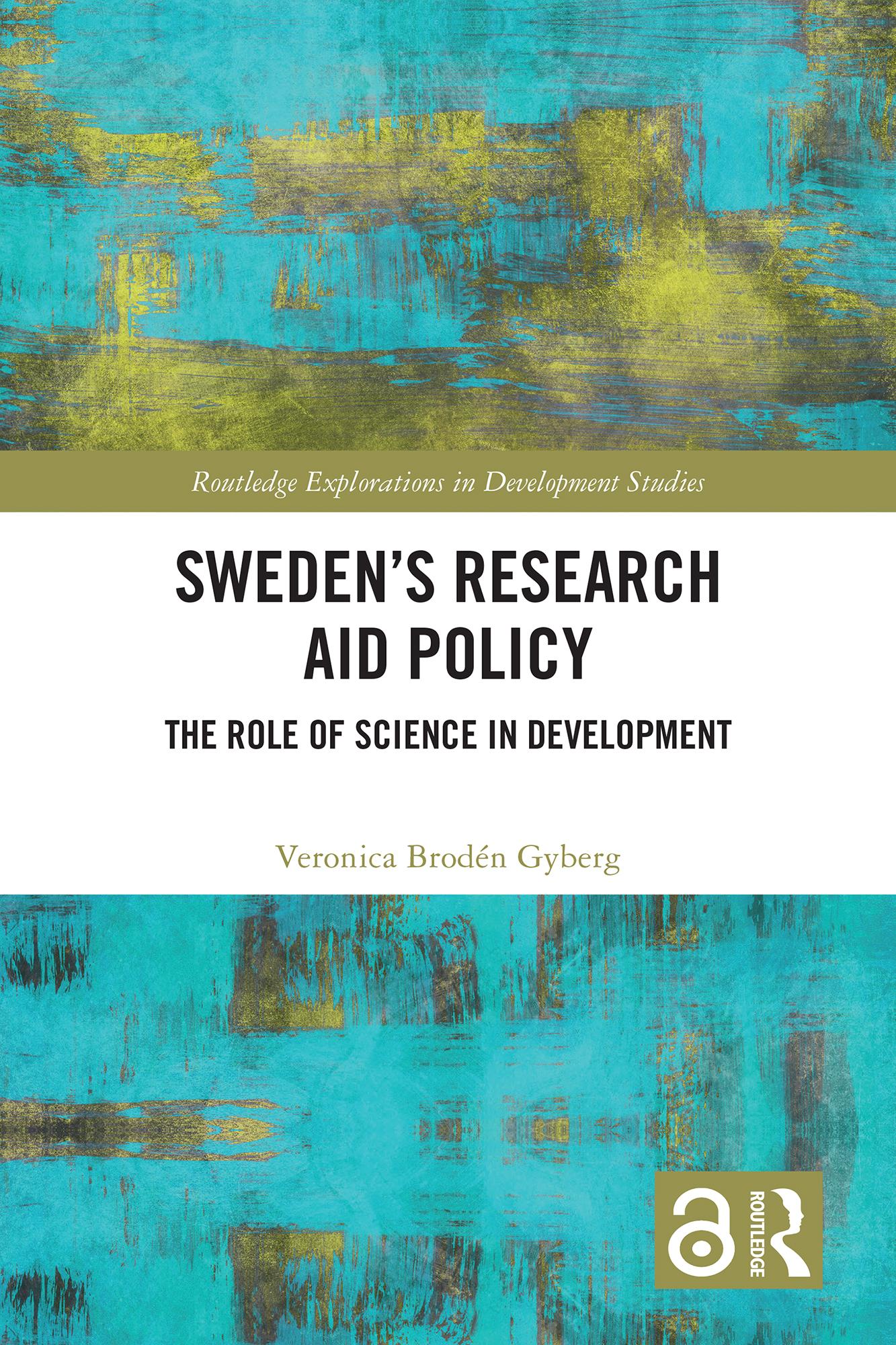
Science and technology have long been considered key for development, problem solving and education in low-income countries, and Sweden has been at the forefront of efforts in this area, as one of the first countries to formalize research aid.
This book analyses how the Swedish Agency for Research Cooperation with Developing Countries (Sarec) and the Swedish International Development Cooperation Agency (Sida) have worked to promote science in low-income countries. In doing so, the book tackles challenging questions around whose knowledges and capacities count, who sets the research agenda, how knowledge resources are distributed, and how complex donor–recipient relationships serve both to address and inflate these issues. Through a discursive analysis of policy material and interviews with former directors at Sarec and Sida as well as other key persons, the book traces how perceptions of the relationship between research and development have shifted over the last five decades.
Pointing to why long-term collaboration is necessary in order to contribute significantly to capacity building, as well as highlighting more general tensions relating to the production of knowledge, Sweden’s Research Aid Policy: The Role of Science in Development will be a valuable resource for advanced students and researchers of foreign aid, development cooperation and the history of science and technology.
Płać wygodnie kartą, Klarną, Apple Pay lub Google Pay. Nie jesteś zadowolony? Zawsze masz 14-dniową gwarancję zwrotu pieniędzy. Więcej przeczytasz w naszych warunkach. Masz pytania? Napisz do nas na hello@memmo.org.
Memmo ułatwia naukę – gdziekolwiek jesteś na świecie. U nas znajdziesz podręczniki i sprytne narzędzia do nauki w jednym miejscu: streszczenia, quizy, podcasty i fiszki. A do tego Ted, Twój kumpel do nauki, który odpowie na wszystko, co Cię nurtuje. Ponad 50 000 studentów już tu się uczy – stworzone, byś uczył się szybciej i mniej stresował.