
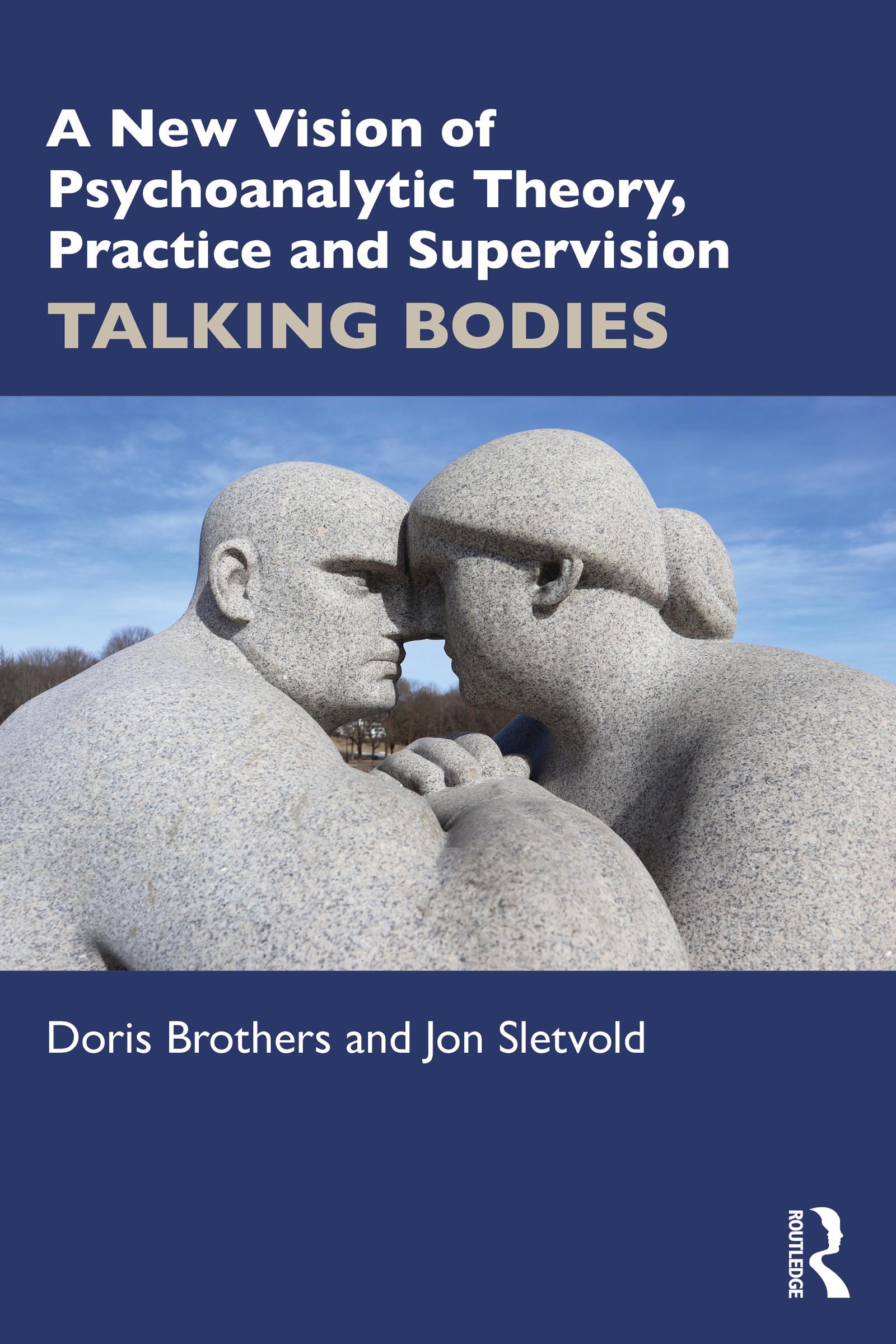
By viewing psychoanalysis through the lens of embodiment, Brothers and Sletvold suggest a shift away from traditional concept-based theory and offer new ways to understand traumatic experiences, to describe the therapeutic exchange and to enhance the supervisory process.
Since traditional psychoanalytic language does not readily lend itself to embodied experience, the authors place particular emphasis on the words I, you, we and world, to describe the flow of human attention. Offering new insights into trauma, this book demonstrates how traumatic experiences and efforts to regain certainty in one’s psychological life involve profound disruptions of this flow. With a new understanding of transference, resistance and interpretation, the authors ultimately show how much can be gained from viewing the analytic exchange as a meeting between foreign bodies.
Grounded in detailed case material, this book will change the way therapists from all disciplines understand the therapeutic process and how viewing it in terms of talking bodies enhances their efforts to heal.
Płać wygodnie kartą, Klarną, Apple Pay lub Google Pay. Nie jesteś zadowolony? Zawsze masz 14-dniową gwarancję zwrotu pieniędzy. Więcej przeczytasz w naszych warunkach. Masz pytania? Napisz do nas na hello@memmo.org.
Memmo ułatwia naukę – gdziekolwiek jesteś na świecie. U nas znajdziesz podręczniki i sprytne narzędzia do nauki w jednym miejscu: streszczenia, quizy, podcasty i fiszki. A do tego Ted, Twój kumpel do nauki, który odpowie na wszystko, co Cię nurtuje. Ponad 50 000 studentów już tu się uczy – stworzone, byś uczył się szybciej i mniej stresował.