
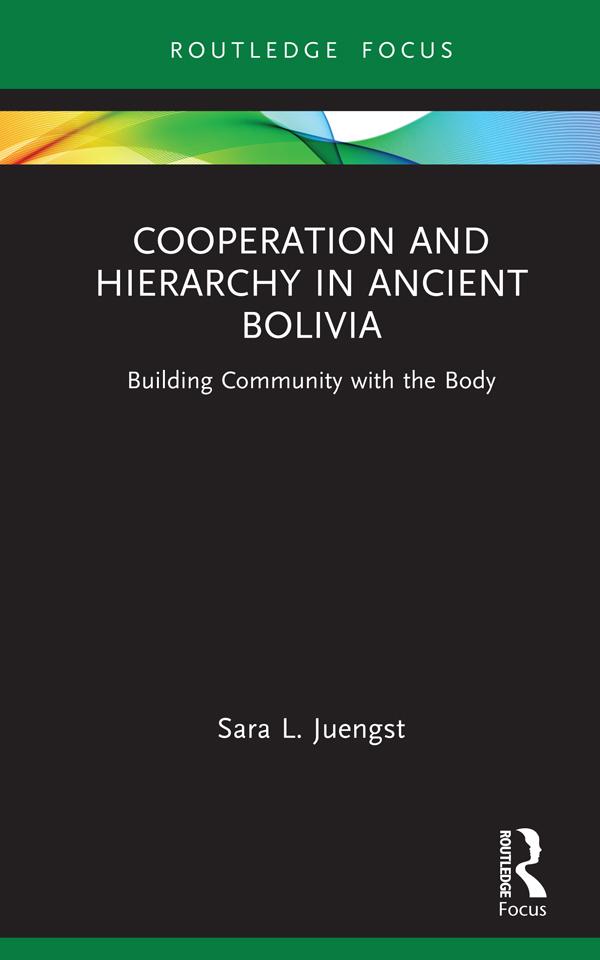
This book explores how past peoples navigated and created power structures and social relationships, using a case study from the Titicaca Basin of Bolivia (800 BC–AD 400). Based on the analysis of human skeletal remains, it combines anthropological social theory, archaeological contexts, and biological indicators of identity, disease, and labor to present a microhistory. The analysis moves in scale from individual experiences of daily life to broad patterns of shared identity and kinship during a time of significant economic and ecological change in the lake basin. The volume is particularly valuable for scholars and students interested in what bioarchaeology can tell us about power and social relationships in the past and how this is relevant to modern constructions of community.
Płać wygodnie kartą, Klarną, Apple Pay lub Google Pay. Nie jesteś zadowolony? Zawsze masz 14-dniową gwarancję zwrotu pieniędzy. Więcej przeczytasz w naszych warunkach. Masz pytania? Napisz do nas na hello@memmo.org.
Memmo ułatwia naukę – gdziekolwiek jesteś na świecie. U nas znajdziesz podręczniki i sprytne narzędzia do nauki w jednym miejscu: streszczenia, quizy, podcasty i fiszki. A do tego Ted, Twój kumpel do nauki, który odpowie na wszystko, co Cię nurtuje. Ponad 50 000 studentów już tu się uczy – stworzone, byś uczył się szybciej i mniej stresował.