
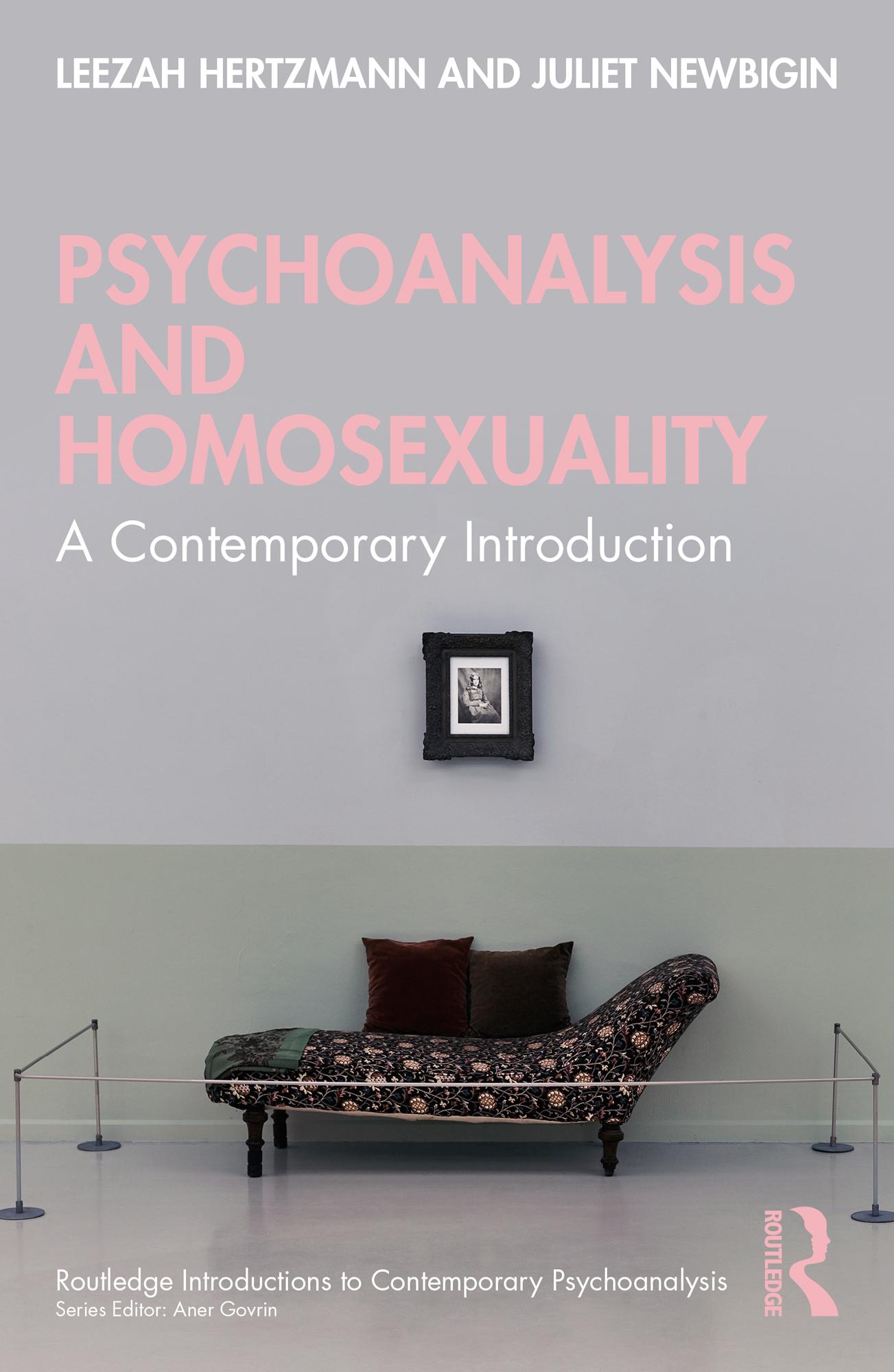
This important book examines the ways in which same sex desire, or "homosexuality" has been theorised by psychoanalysis during its history to date and the impact of that on clinical practice.
The authors explore a brief history of the developing social attitudes which influenced the evolution of psychoanalysis, from Freud’s radical questioning of psychosexuality, to the later developments that assumed a moral high ground for heteronormativity and led to the diagnosis of other forms of sexual expression as perversions requiring treatment. The book elucidates contemporary developments in psychoanalytic thinking about sexuality from a post-heteronormative standpoint, including an examination of how heteronormative bias has relegated lived sexual experience to the sidelines. The book challenges this bias and introduces new ways of using psychoanalytic ideas as well as illustrating their relevance to clinical practice. Drawing on vignettes, the authors describe current challenges that clinicians face and discuss the dilemmas that these challenges present, both for qualified clinicians as well as those in training.
By approaching "homosexuality" from a contemporary post-heteronormative position, the authors advocate a more flexible encounter in the consulting room in a way that can illuminate an understanding of all sexualities, including heterosexuality.
Płać wygodnie kartą, Klarną, Apple Pay lub Google Pay. Nie jesteś zadowolony? Zawsze masz 14-dniową gwarancję zwrotu pieniędzy. Więcej przeczytasz w naszych warunkach. Masz pytania? Napisz do nas na hello@memmo.org.
Memmo ułatwia naukę – gdziekolwiek jesteś na świecie. U nas znajdziesz podręczniki i sprytne narzędzia do nauki w jednym miejscu: streszczenia, quizy, podcasty i fiszki. A do tego Ted, Twój kumpel do nauki, który odpowie na wszystko, co Cię nurtuje. Ponad 50 000 studentów już tu się uczy – stworzone, byś uczył się szybciej i mniej stresował.