
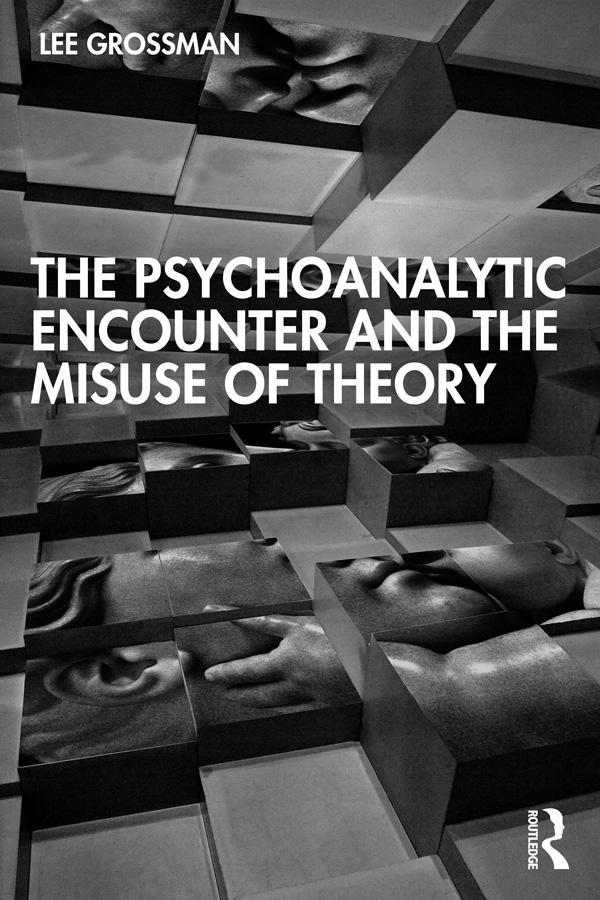
In clear, accessible language, Lee Grossman addresses the disjuncture between analytic literature and clinical work in an effort to render analytic theorizing more representative of clinical experience.
Pointing out the ways in which analytic literature can fail to capture the intensity of feeling and the stumbling, lurching, working in the dark that captures much of clinical engagement, Grossman shows how incomprehensibility is sometimes mistaken for wisdom. As an alternative, Grossman shows how attention to what he calls the syntax of thought can naturally define three different broad categories of life experience: the omnipotence of the neurotic, the wishful, short-sighted thinking of the perverse, and the concrete, disordered thinking of the psychotic. Using rich clinical material, interspersed with detailed exposition and artful satire, Grossman departs from conventional theoretical writing to provide new ways of conceptualising analytic therapy.
Addressing analytic therapy as an encounter between two people, both governed by forces about which they know very little, this book provides essential insights for psychoanalysts, psychotherapists and other clinical practitioners both in training and in practice.
Płać wygodnie kartą, Klarną, Apple Pay lub Google Pay. Nie jesteś zadowolony? Zawsze masz 14-dniową gwarancję zwrotu pieniędzy. Więcej przeczytasz w naszych warunkach. Masz pytania? Napisz do nas na hello@memmo.org.
Memmo ułatwia naukę – gdziekolwiek jesteś na świecie. U nas znajdziesz podręczniki i sprytne narzędzia do nauki w jednym miejscu: streszczenia, quizy, podcasty i fiszki. A do tego Ted, Twój kumpel do nauki, który odpowie na wszystko, co Cię nurtuje. Ponad 50 000 studentów już tu się uczy – stworzone, byś uczył się szybciej i mniej stresował.