
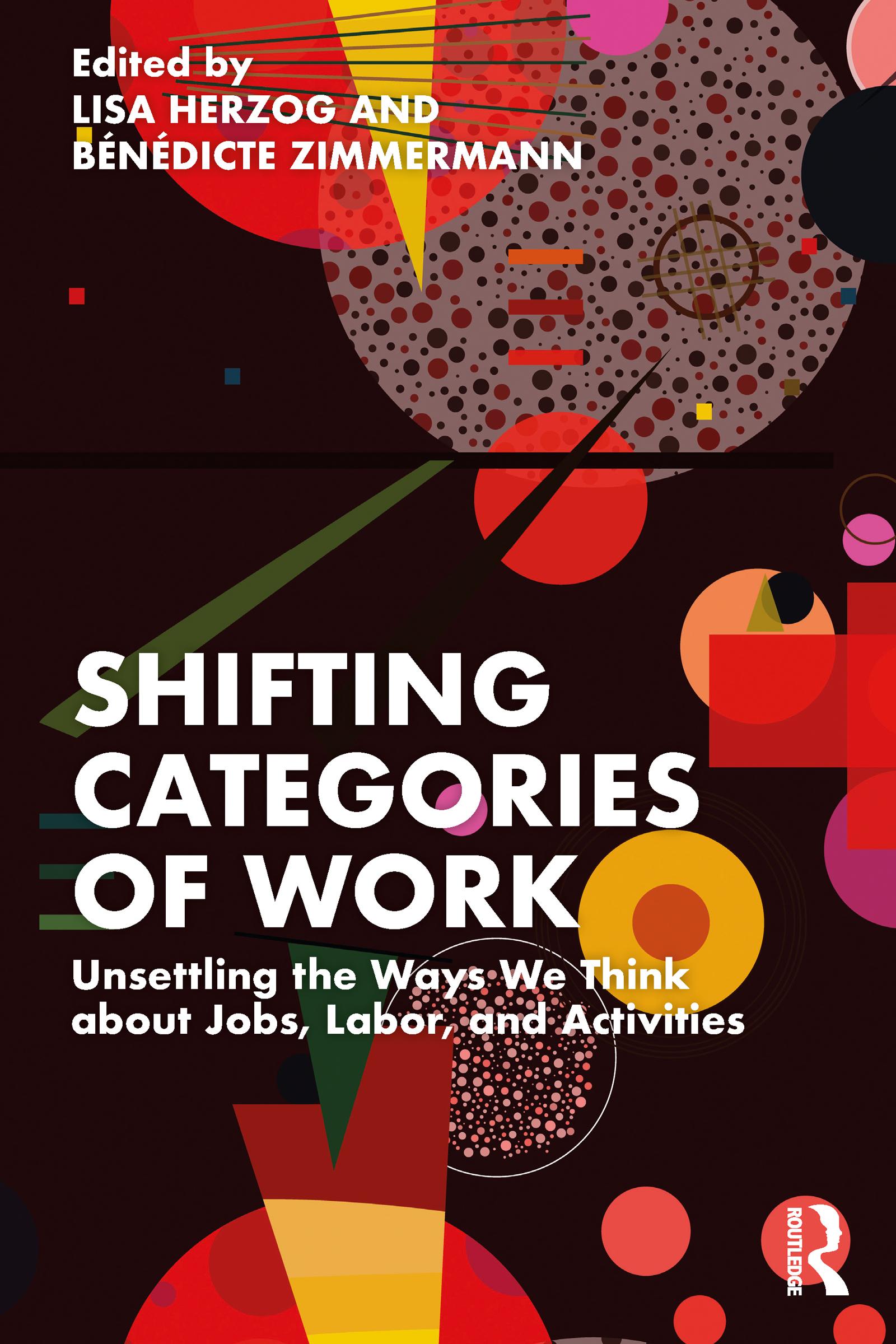
What do human beings do when they work, how is work organized, and what are its multidimensional – economic, social, political, biographical, ecological – effects? We cannot answer these questions without drawing on the numerous categories that we use to describe work, such as "skilled" or "unskilled" work, "domestic work" or "wage labor," "gig work" or "platform work." Such categories are not merely theoretical labels as they also have practical effects. But where do these categories come from, what are their histories, how do they differ between countries, and how are they evolving? Shifting Categories of Work asks these questions, illuminating the many ways in which our societies categorize work. Written by sociologists, philosophers, historians and anthropologists as well as management and legal scholars, the contributions in this volume contrast different cultural practices and frameworks of categorizing work across different countries.
Organized around the three axes of (un)organized work, (in)visible work and (in)valuable work, this book shows how ways of categorizing work express, but also recreate, lines of privilege and disadvantage – challenging our preconceived notions of what work is and what it could be, as it invites us to rethink the categories we use for understanding the work we do, and hence, to some extent, ourselves.
Płać wygodnie kartą, Klarną, Apple Pay lub Google Pay. Nie jesteś zadowolony? Zawsze masz 14-dniową gwarancję zwrotu pieniędzy. Więcej przeczytasz w naszych warunkach. Masz pytania? Napisz do nas na hello@memmo.org.
Memmo ułatwia naukę – gdziekolwiek jesteś na świecie. U nas znajdziesz podręczniki i sprytne narzędzia do nauki w jednym miejscu: streszczenia, quizy, podcasty i fiszki. A do tego Ted, Twój kumpel do nauki, który odpowie na wszystko, co Cię nurtuje. Ponad 50 000 studentów już tu się uczy – stworzone, byś uczył się szybciej i mniej stresował.