
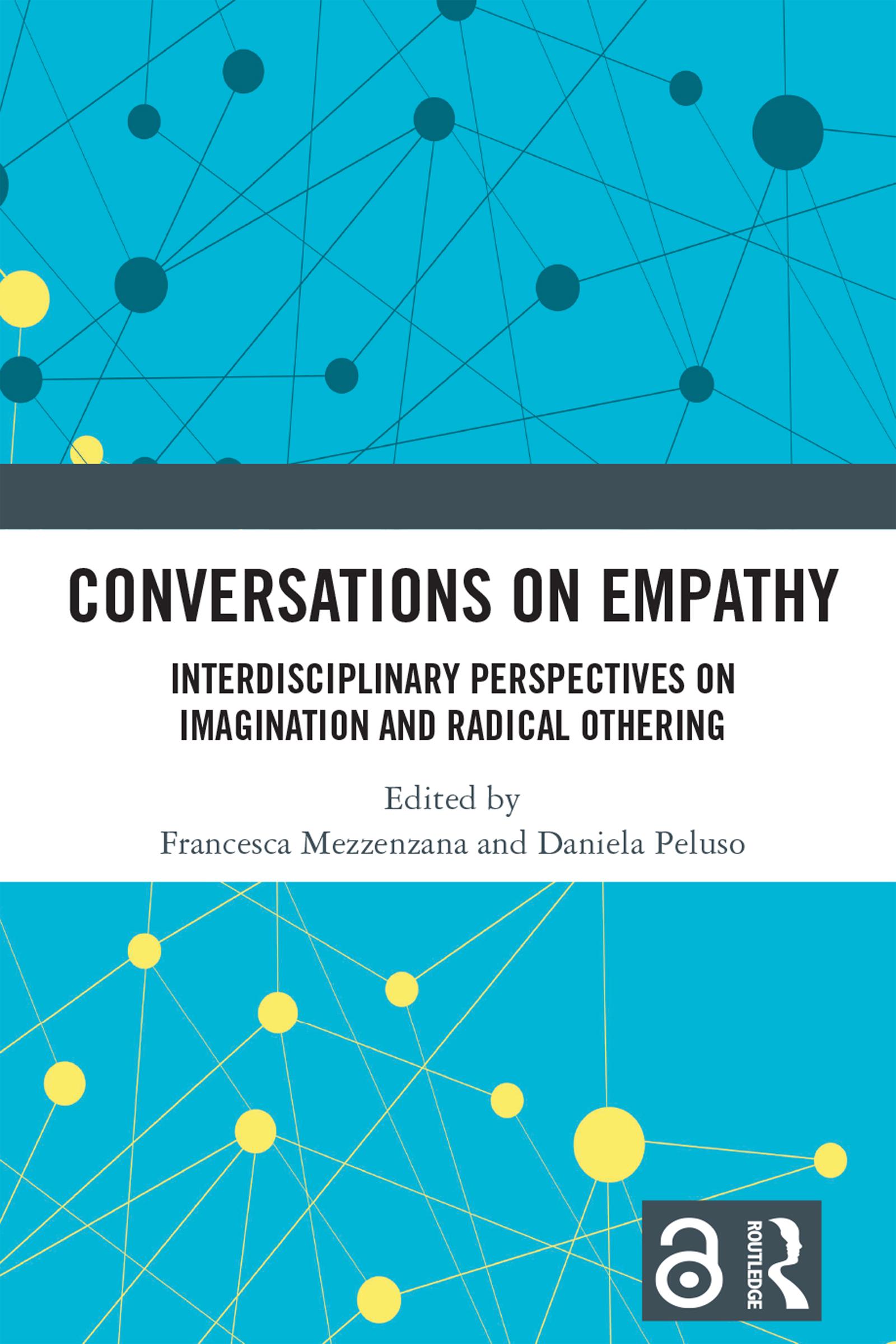
In the aftermath of a global pandemic, amidst new and ongoing wars, genocide, inequality, and staggering ecological collapse, some in the public and political arena have argued that we are in desperate need of greater empathy — be this with our neighbours, refugees, war victims, the vulnerable or disappearing animal and plant species. This interdisciplinary volume asks the crucial questions: How does a better understanding of empathy contribute, if at all, to our understanding of others? How is it implicated in the ways we perceive, understand and constitute others as subjects? Conversations on Empathy examines how empathy might be enacted and experienced either as a way to highlight forms of otherness or, instead, to overcome what might otherwise appear to be irreducible differences. It explores the ways in which empathy enables us to understand, imagine and create sameness and otherness in our everyday intersubjective encounters focusing on a varied range of "radical others" – others who are perceived as being dramatically different from oneself. With a focus on the importance of empathy to understand difference, the book contends that the role of empathy is critical, now more than ever, for thinking about local and global challenges of interconnectedness, care and justice.
Płać wygodnie kartą, Klarną, Apple Pay lub Google Pay. Nie jesteś zadowolony? Zawsze masz 14-dniową gwarancję zwrotu pieniędzy. Więcej przeczytasz w naszych warunkach. Masz pytania? Napisz do nas na hello@memmo.org.
Memmo ułatwia naukę – gdziekolwiek jesteś na świecie. U nas znajdziesz podręczniki i sprytne narzędzia do nauki w jednym miejscu: streszczenia, quizy, podcasty i fiszki. A do tego Ted, Twój kumpel do nauki, który odpowie na wszystko, co Cię nurtuje. Ponad 50 000 studentów już tu się uczy – stworzone, byś uczył się szybciej i mniej stresował.