
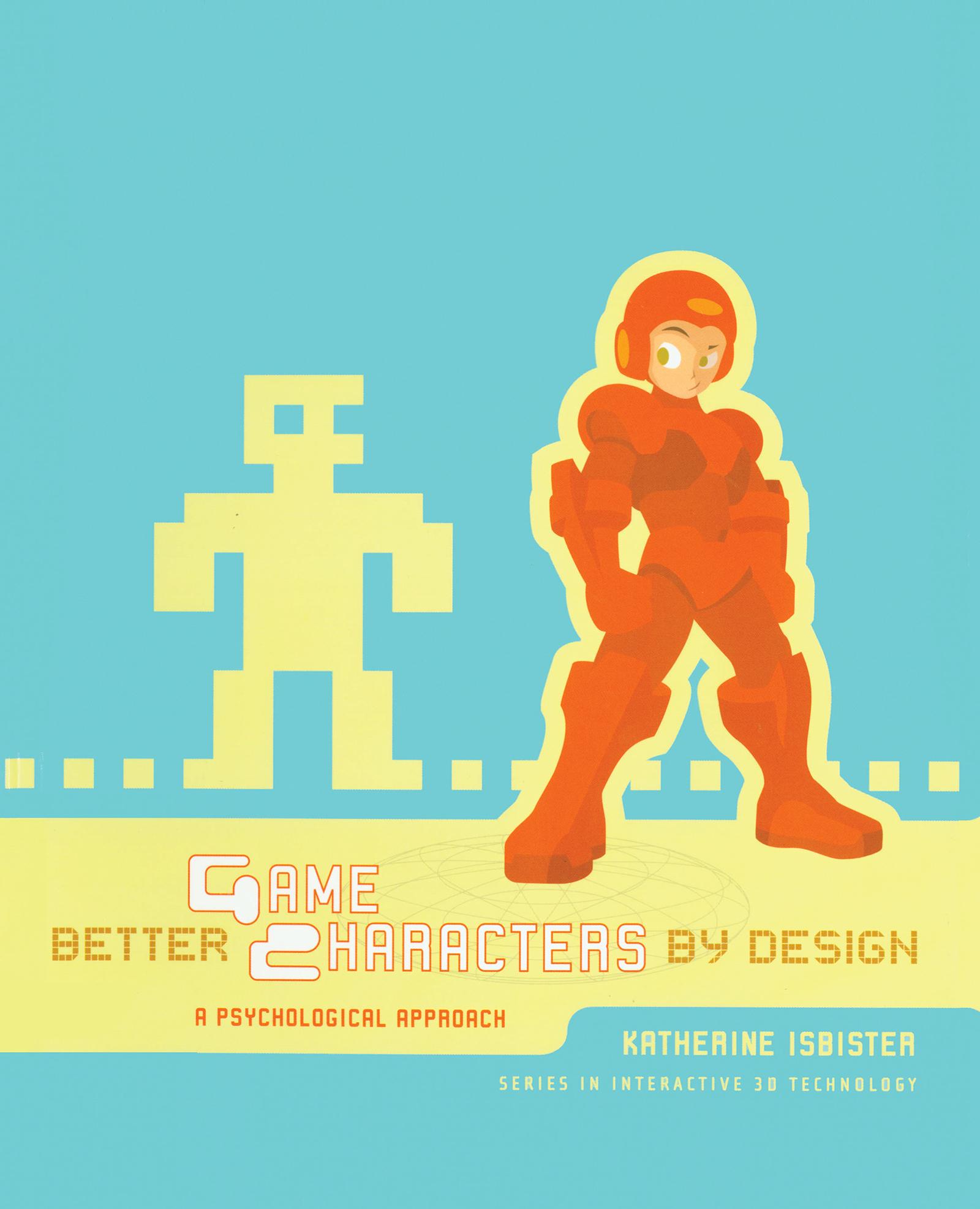
Games are poised for a major evolution, driven by growth in technical sophistication and audience reach. Characters that create powerful social and emotional connections with players throughout the game-play itself (not just in cut scenes) will be essential to next-generation games. However, the principles of sophisticated character design and interaction are not widely understood within the game development community. Further complicating the situation are powerful gender and cultural issues that can influence perception of characters. Katherine Isbister has spent the last 10 years examining what makes interactions with computer characters useful and engaging to different audiences. This work has revealed that the key to good design is leveraging player psychology: understanding what's memorable, exciting, and useful to a person about real-life social interactions, and applying those insights to character design. Game designers who create great characters often make use of these psychological principles without realizing it. Better Game Characters by Design gives game design professionals and other interactive media designers a framework for understanding how social roles and perceptions affect players' reactions to characters, helping produce stronger designs and better results.
Płać wygodnie kartą, Klarną, Apple Pay lub Google Pay. Nie jesteś zadowolony? Zawsze masz 14-dniową gwarancję zwrotu pieniędzy. Więcej przeczytasz w naszych warunkach. Masz pytania? Napisz do nas na hello@memmo.org.
Memmo ułatwia naukę – gdziekolwiek jesteś na świecie. U nas znajdziesz podręczniki i sprytne narzędzia do nauki w jednym miejscu: streszczenia, quizy, podcasty i fiszki. A do tego Ted, Twój kumpel do nauki, który odpowie na wszystko, co Cię nurtuje. Ponad 50 000 studentów już tu się uczy – stworzone, byś uczył się szybciej i mniej stresował.
Może Ci się spodobać
Kup książkę0