
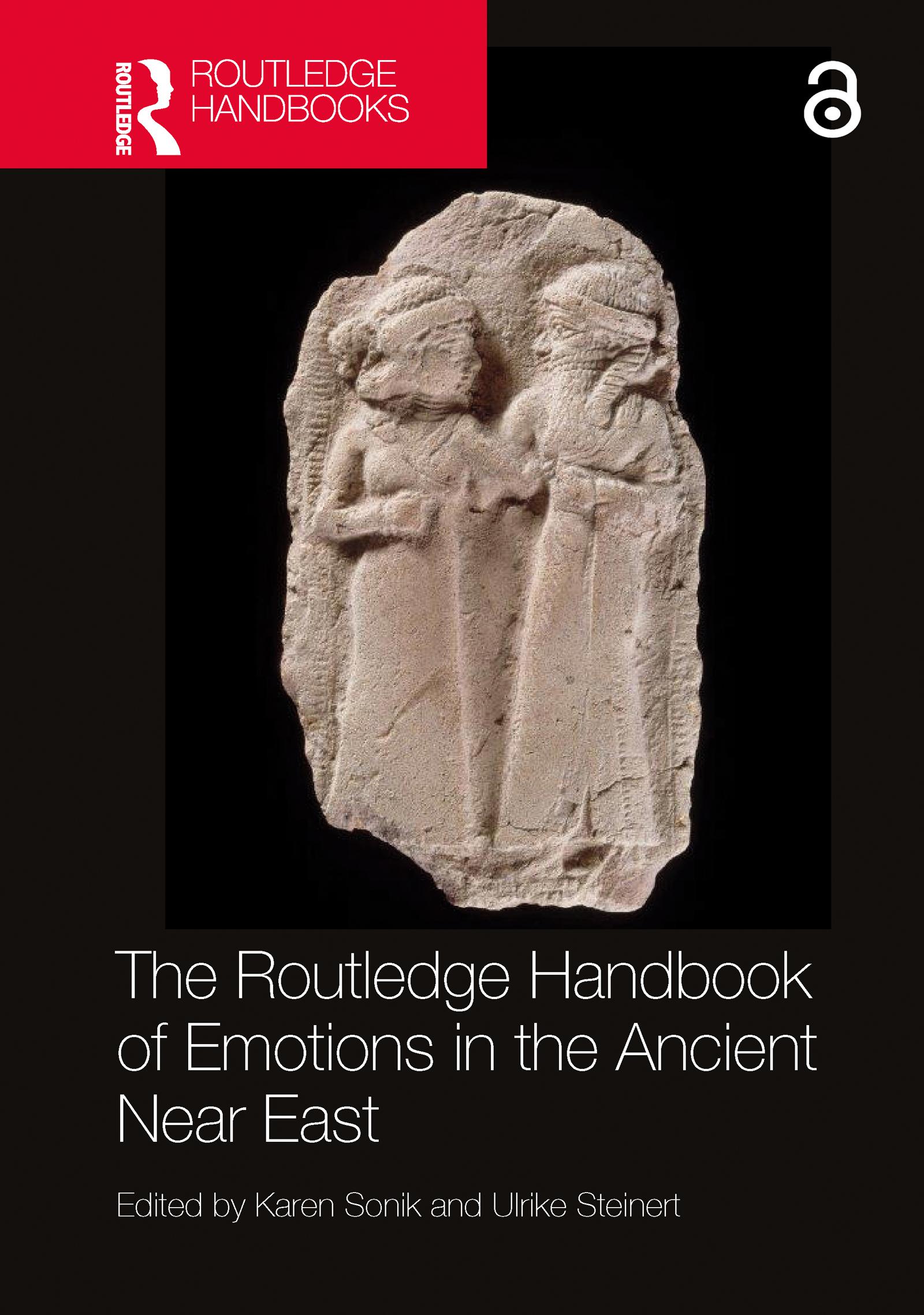
This in-depth exploration of emotions in the ancient Near East illuminates the rich and complex worlds of feelings encompassed within the literary and material remains of this remarkable region, home to many of the world’s earliest cities and empires, and lays critical foundations for future study.
Thirty-four chapters by leading international scholars, including philologists, art historians, and archaeologists, examine the ways in which emotions were conceived, experienced, and expressed by the peoples of the ancient Near East, with particular attention to Mesopotamia, Anatolia, and the kingdom of Ugarit, from the Late Uruk through to the Neo-Babylonian Period (ca. 3300–539 BCE). The volume is divided into two parts: the first addressing theoretical and methodological issues through thematic analyses and the second encompassing corpus-based approaches to specific emotions. Part I addresses emotions and history, defining the terms, materialization and material remains, kings and the state, and engaging the gods. Part II explores happiness and joy; fear, terror, and awe; sadness, grief, and depression; contempt, disgust, and shame; anger and hate; envy and jealousy; love, affection, and admiration; and pity, empathy, and compassion. Numerous sub-themes threading through the volume explore such topics as emotional expression and suppression in relation to social status, gender, the body, and particular social and spatial conditions or material contexts.
The Routledge Handbook of Emotions in the Ancient Near East is an invaluable and accessible resource for Near Eastern studies and adjacent fields, including Classical, Biblical, and medieval studies, and a must-read for scholars, students, and others interested in the history and cross-cultural study of emotions.
Płać wygodnie kartą, Klarną, Apple Pay lub Google Pay. Nie jesteś zadowolony? Zawsze masz 14-dniową gwarancję zwrotu pieniędzy. Więcej przeczytasz w naszych warunkach. Masz pytania? Napisz do nas na hello@memmo.org.
Memmo ułatwia naukę – gdziekolwiek jesteś na świecie. U nas znajdziesz podręczniki i sprytne narzędzia do nauki w jednym miejscu: streszczenia, quizy, podcasty i fiszki. A do tego Ted, Twój kumpel do nauki, który odpowie na wszystko, co Cię nurtuje. Ponad 50 000 studentów już tu się uczy – stworzone, byś uczył się szybciej i mniej stresował.