
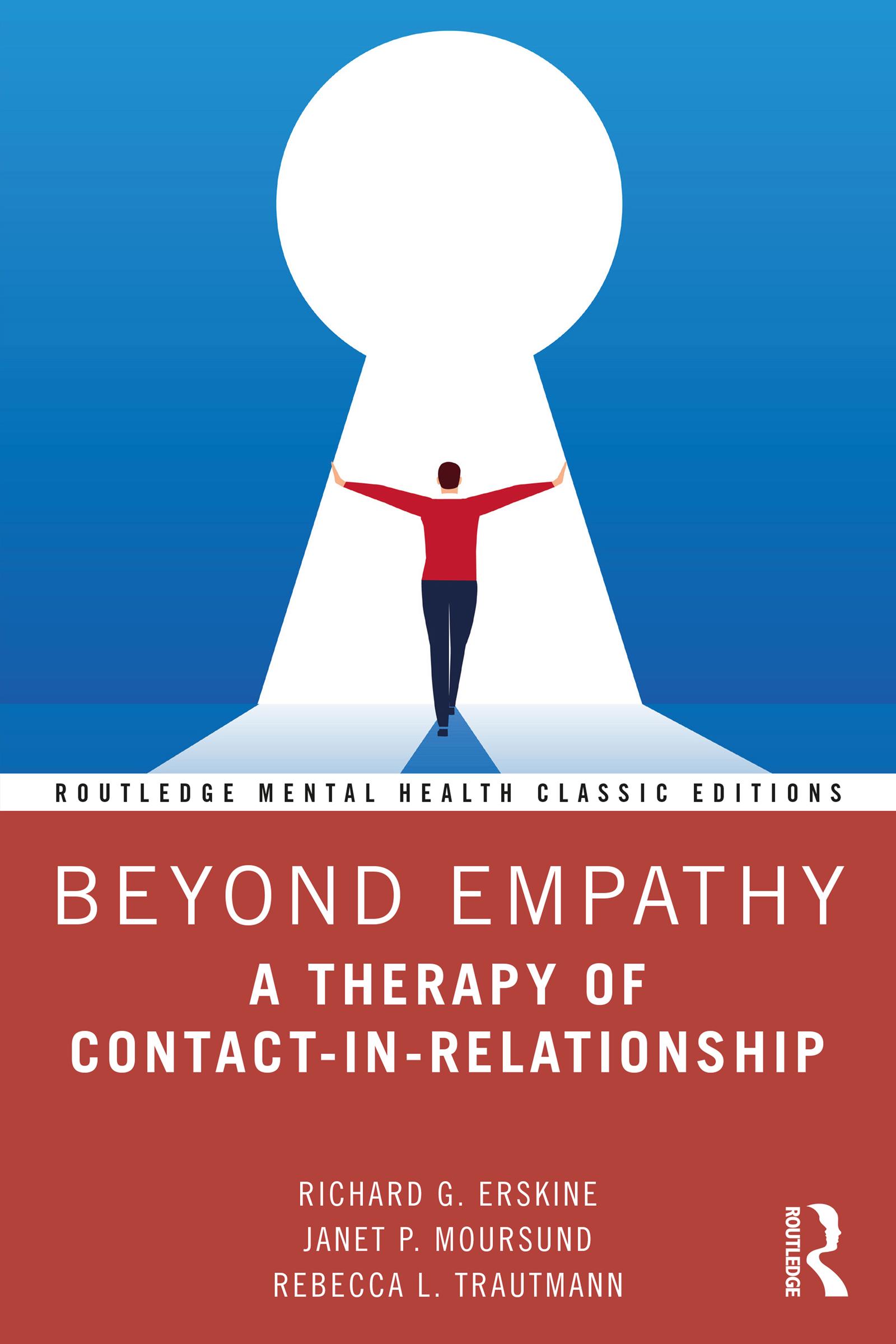
Written by leaders in the field of relational integrative psychotherapy, this book offers trainees and experienced therapists a methodology for assisting people in rediscovering their ability to maintain genuine relationships and, thus, better psychological health. This classic edition includes a new preface by Richard G. Erskine that reflects on changes in the field since the book’s first publication.
Drawing from Rogers' client-centered therapy, Berne's transactional analysis, Perls' Gestalt therapy, Kohut's self-psychology, and the work of British object-relations theorists, this book accessibly introduces the authors’ Keyhole theory while using real life interchanges between therapists and clients to illustrate key concepts. The second part of the book details the application of this method in therapy work and provides transcripts from seven therapy sessions. These include examples of relational psychotherapy, psychotherapeutic regression, working with a parental introject, couple psychotherapy, as well as detailed explanations of the therapeutic methods.
An undoubtable classic, the book’s conversational style makes the theory and methods of a relationally based integrative psychotherapy come alive. This versatile approach to therapy promises to be effective across a wide range of therapeutic situations, making this a valuable book for both students and practicing clinicians throughout the spectrum of mental healthcare providers.
Płać wygodnie kartą, Klarną, Apple Pay lub Google Pay. Nie jesteś zadowolony? Zawsze masz 14-dniową gwarancję zwrotu pieniędzy. Więcej przeczytasz w naszych warunkach. Masz pytania? Napisz do nas na hello@memmo.org.
Memmo ułatwia naukę – gdziekolwiek jesteś na świecie. U nas znajdziesz podręczniki i sprytne narzędzia do nauki w jednym miejscu: streszczenia, quizy, podcasty i fiszki. A do tego Ted, Twój kumpel do nauki, który odpowie na wszystko, co Cię nurtuje. Ponad 50 000 studentów już tu się uczy – stworzone, byś uczył się szybciej i mniej stresował.