
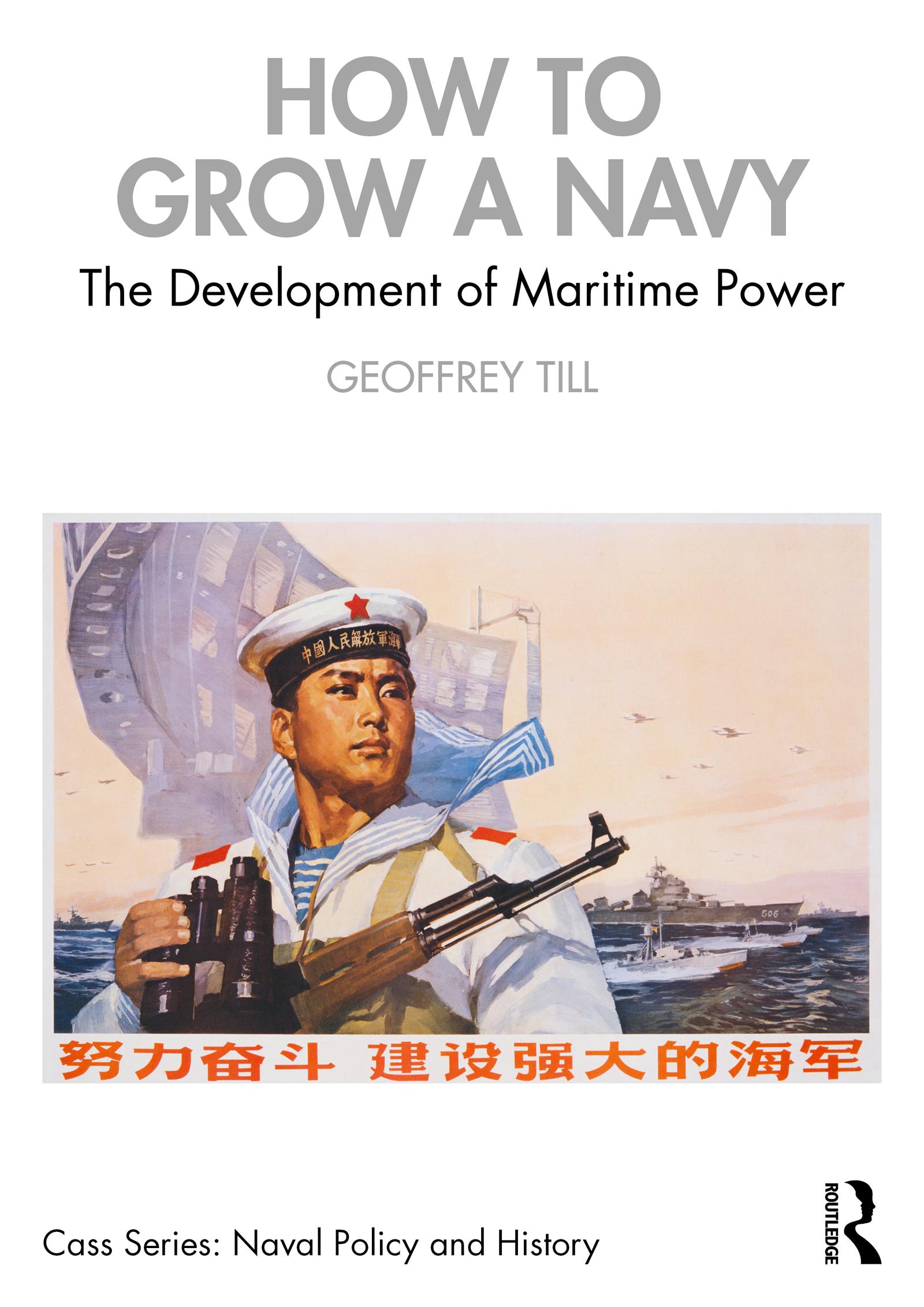
This book examines the large but neglected topic of the development of maritime power from both an historical and a contemporary point of view.
Navies have never been more important than they are now, in a century becoming, as widely expected, increasingly and profoundly maritime. The growing competition between China and Russia with the United States and its allies and partners around the world is essentially sea-based. The sea is also central to the world's globalised trading system and to its environmental health. Most current crises are either sea-based or have a critical maritime element to them. What happens at sea will help shape our future. Against that background, this book uses both history and contemporary events to analyse how maritime power and naval strength has been, and is being, developed. In a reader-friendly way, it seeks to show what has worked and what has not, and to uncover the recurring patterns in maritime and naval development which explain past, present and future success - and failure. It reflects on the historical experience of all navies, but in particular it poses the question of whether China is following the same pattern of naval development illustrated by Britain at the start of the 18th century, which led to two centuries of naval dominance.
This book will be of much interest to students of maritime power, naval studies, and strategic studies, as well as to naval professionals around the world.
Płać wygodnie kartą, Klarną, Apple Pay lub Google Pay. Nie jesteś zadowolony? Zawsze masz 14-dniową gwarancję zwrotu pieniędzy. Więcej przeczytasz w naszych warunkach. Masz pytania? Napisz do nas na hello@memmo.org.
Memmo ułatwia naukę – gdziekolwiek jesteś na świecie. U nas znajdziesz podręczniki i sprytne narzędzia do nauki w jednym miejscu: streszczenia, quizy, podcasty i fiszki. A do tego Ted, Twój kumpel do nauki, który odpowie na wszystko, co Cię nurtuje. Ponad 50 000 studentów już tu się uczy – stworzone, byś uczył się szybciej i mniej stresował.