
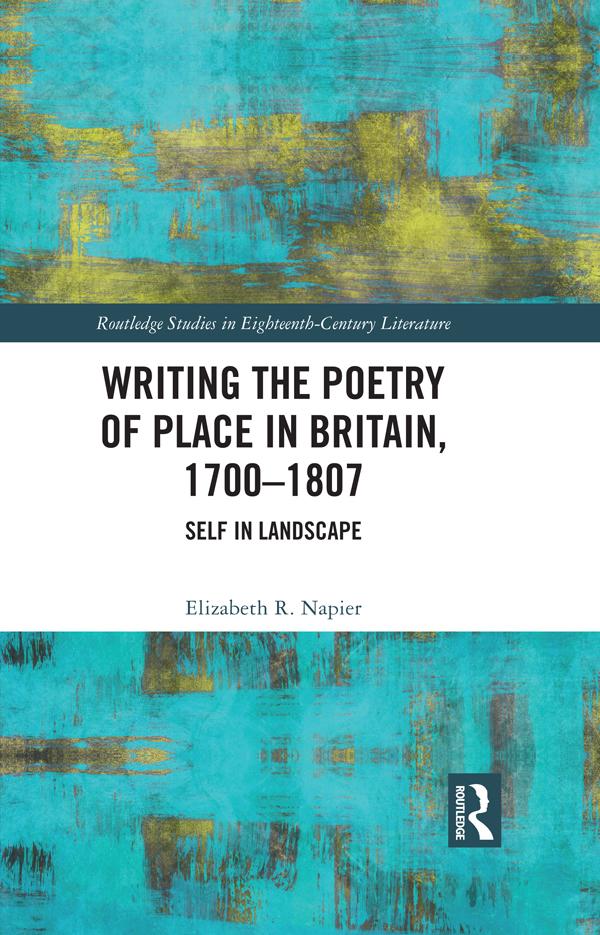
This book discusses the intrusion, often inadvertent, of personal voice into the poetry of landscape in Britain, 1700– 1807. It argues that strong conventions, such as those that inhere in topographical verse of the period, invite original poets to overstep those bounds while also shielding them from the repercussions of self-expression. Working under cover of convention in this manner and because for many of these poets place is tied in significant ways to personal history, poets of place may launch unexpected explorations into memory, personhood, and the workings of consciousness. This book thus supplements past, largely political, readings of landscape poetry, turning to questions of self-articulation and self-expression in order to argue that the autobiographical impulse is a distinctive and innovative feature of much great eighteenth-century poetry of place. Among the poets under examination are Pope, Thomson, Duck, Gray, Goldsmith, Crabbe, Cowper, Smith, and Wordsworth.
Płać wygodnie kartą, Klarną, Apple Pay lub Google Pay. Nie jesteś zadowolony? Zawsze masz 14-dniową gwarancję zwrotu pieniędzy. Więcej przeczytasz w naszych warunkach. Masz pytania? Napisz do nas na hello@memmo.org.
Memmo ułatwia naukę – gdziekolwiek jesteś na świecie. U nas znajdziesz podręczniki i sprytne narzędzia do nauki w jednym miejscu: streszczenia, quizy, podcasty i fiszki. A do tego Ted, Twój kumpel do nauki, który odpowie na wszystko, co Cię nurtuje. Ponad 50 000 studentów już tu się uczy – stworzone, byś uczył się szybciej i mniej stresował.