
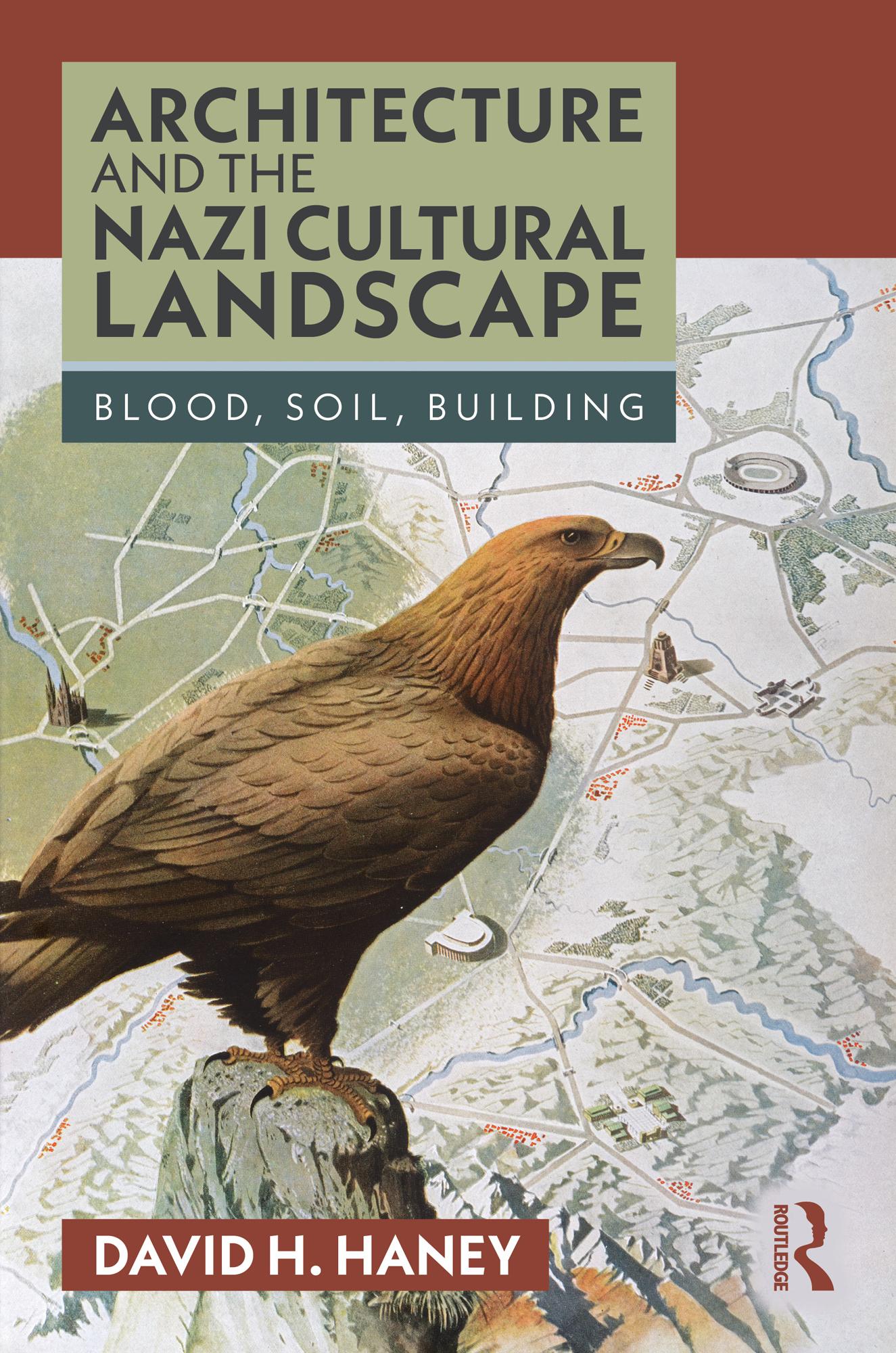
This book traces cultural landscape as the manifestation of the state and national community under the Nazi regime, and how the Nazi era produced what could be referred to as a totalitarian cultural landscape.
For the Nazi regime, cultural landscape was indeed a heritage resource, but it was much more than that: cultural landscape was the nation. The project of Nazi racial purification and cultural renewal demanded the physical reshaping and reconceptualization of the existing environment to create the so-called "new Nazi cultural landscape." One of the most important components of this was a set of monumental sites thought to embody blood and soil beliefs through the harmonious synthesis of architecture and landscape. This special group of "landscape-bound" architectural complexes was interconnected by the new autobahn highway system, itself thought to be a monumental work embedded in nature. Behind this intentionally aestheticized view of the nation as cultural landscape lay the all-pervasive system of deception and violence that characterized the emerging totalitarian state.
This is the first historical study to consider the importance of these monumental sites together with the autobahn as evidence of key Nazi cultural and geographic strategies during the pre-war years. This book concludes by examining racial and nationalistic themes underlying cultural landscape concepts today, against this historic background.
Płać wygodnie kartą, Klarną, Apple Pay lub Google Pay. Nie jesteś zadowolony? Zawsze masz 14-dniową gwarancję zwrotu pieniędzy. Więcej przeczytasz w naszych warunkach. Masz pytania? Napisz do nas na hello@memmo.org.
Memmo ułatwia naukę – gdziekolwiek jesteś na świecie. U nas znajdziesz podręczniki i sprytne narzędzia do nauki w jednym miejscu: streszczenia, quizy, podcasty i fiszki. A do tego Ted, Twój kumpel do nauki, który odpowie na wszystko, co Cię nurtuje. Ponad 50 000 studentów już tu się uczy – stworzone, byś uczył się szybciej i mniej stresował.