
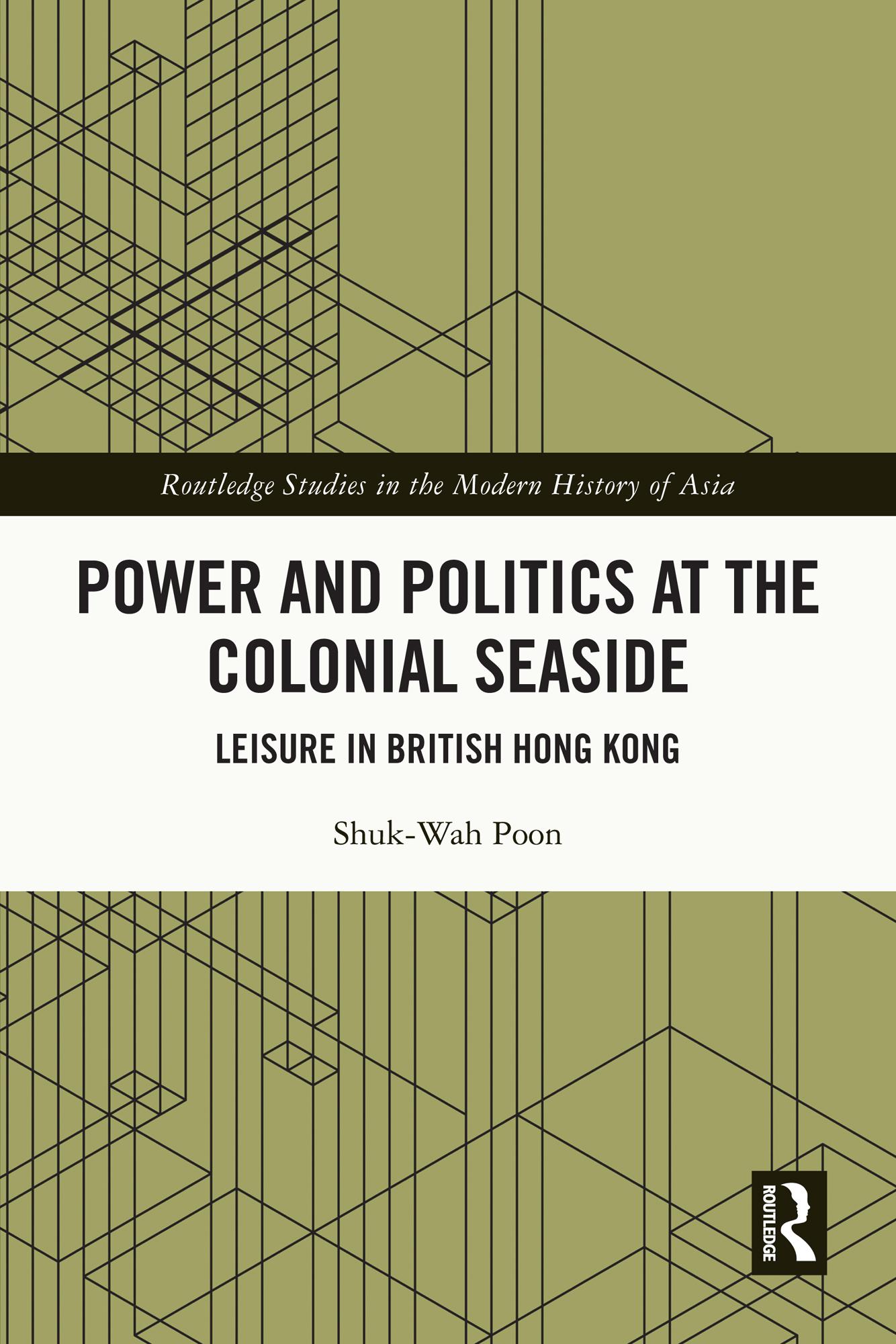
A study of the complex role of the seaside as a leisure space in colonial Hong Kong.
British sports were in many respects more meaningful in the empire than literature, music, art, or religion. They served as an instrument of cultural association and later of cultural change, promoting imperial union and then postimperial goodwill. Poon analyses the ways in which British colonists and Chinese leaders, backed by the rhetoric of public health and nationalism, respectively, transformed the Hong Kong seaside into a leisure space. She argues that the growing popularity of seaside resorts and sea bathing as a preferred form of leisure activity across the social and ethnic spectrums served an important role in shaping the racial relationship between Westerners and the Chinese population, as well as the Chinese people’s perception of the female body and the seaside, during the colonial period. The popularity of British leisure forms in colonial Hong Kong does not necessarily mean the triumph of “Britishness.”
This book will be of great interest to historians with an interest in leisure and in Empire and Colonialism, as well as historians of Colonial Hong Kong and Modern China.
Płać wygodnie kartą, Klarną, Apple Pay lub Google Pay. Nie jesteś zadowolony? Zawsze masz 14-dniową gwarancję zwrotu pieniędzy. Więcej przeczytasz w naszych warunkach. Masz pytania? Napisz do nas na hello@memmo.org.
Memmo ułatwia naukę – gdziekolwiek jesteś na świecie. U nas znajdziesz podręczniki i sprytne narzędzia do nauki w jednym miejscu: streszczenia, quizy, podcasty i fiszki. A do tego Ted, Twój kumpel do nauki, który odpowie na wszystko, co Cię nurtuje. Ponad 50 000 studentów już tu się uczy – stworzone, byś uczył się szybciej i mniej stresował.