
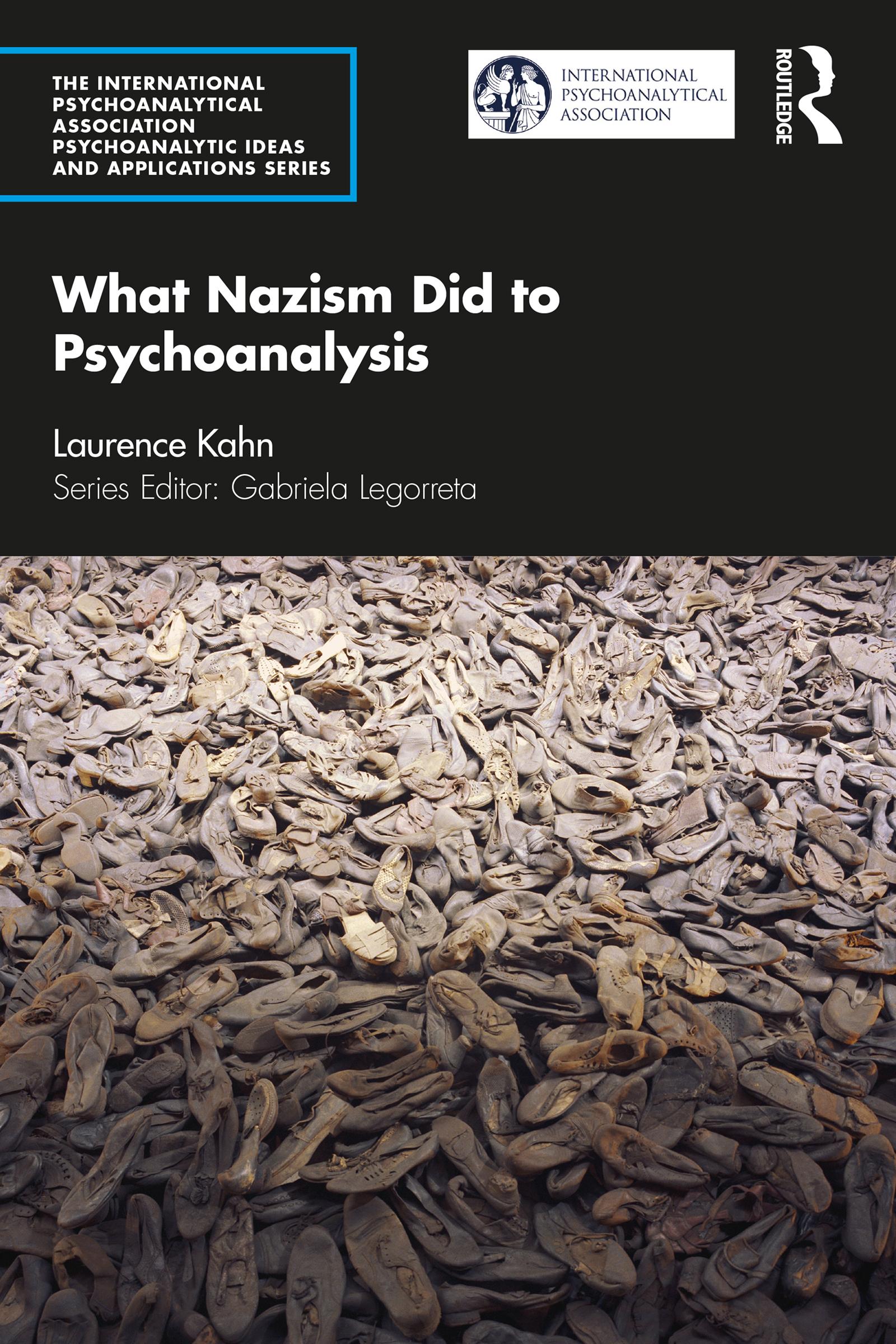
What Nazism Did to Psychoanalysis explores the impact Nazism had on the evolution of psychoanalysis and tackles the enigma of the transformation of individual hate into mass psychosis and of the autocratic creation of a neo-reality.
Addressing the effects of the Holocaust on the psychoanalytic world, this book does not focus on the suffering of the survivors but the analysis of the concrete mechanisms of destruction that affected language and thought, their impact on the practice of psychoanalysis and the defences that psychoanalysts tried to find against the linguistic, legal and symbolic chaos that struck the foundations of reality. Laurence Kahn discusses the struggle against the appropriation, by the Nazi language, of key terms such as demonic nature, drives, ideals and, above all, the Selbsterhaltungstrieb (the self-preservation drive), which became, with Hitler, the axis of the living space policy, the "Lebensraum".
Covering key topics such as trauma, transgenerational issues, silence and secrecy and the depredation of culture, this is an essential work for psychoanalysts and anyone wishing to understand how strongly the development of psychoanalysis was affected by Nazism.
Płać wygodnie kartą, Klarną, Apple Pay lub Google Pay. Nie jesteś zadowolony? Zawsze masz 14-dniową gwarancję zwrotu pieniędzy. Więcej przeczytasz w naszych warunkach. Masz pytania? Napisz do nas na hello@memmo.org.
Memmo ułatwia naukę – gdziekolwiek jesteś na świecie. U nas znajdziesz podręczniki i sprytne narzędzia do nauki w jednym miejscu: streszczenia, quizy, podcasty i fiszki. A do tego Ted, Twój kumpel do nauki, który odpowie na wszystko, co Cię nurtuje. Ponad 50 000 studentów już tu się uczy – stworzone, byś uczył się szybciej i mniej stresował.