
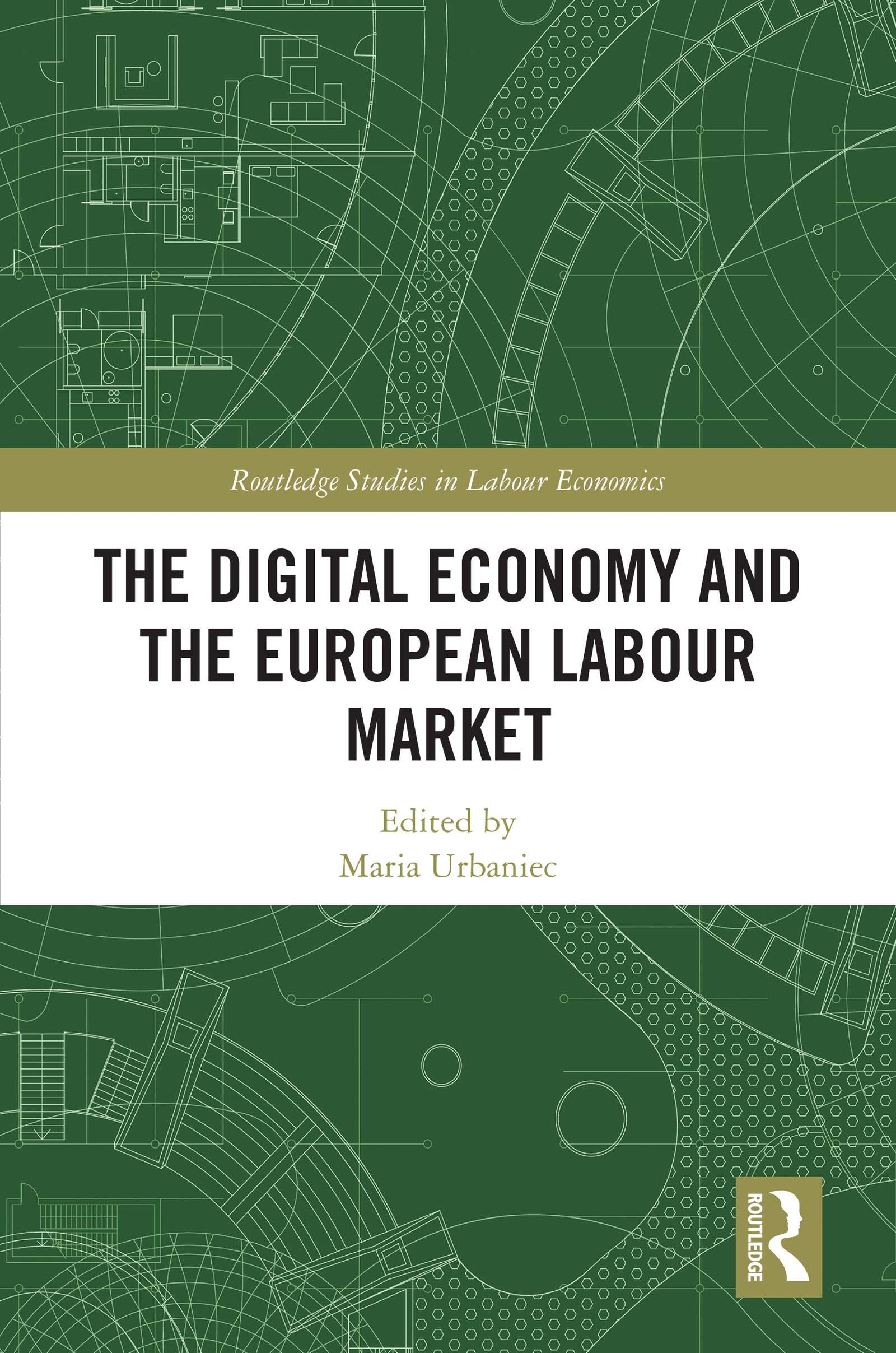
With a focus on the European labour market, this book seeks to understand how digital transformation affects changes in employee-employer relations. These consequences include shifts in job security and job flexibility as well as alternative work arrangements in the digital economy. This phenomenon has both positive and negative implications for employees and employers. The book presents a theoretical, conceptual and empirical analysis of employment relations in the digital economy, which are manifested, among others, in flexible or non-standard forms of employment, contract work and a radical shift from position-based to skill-based work. The approach taken in the book provides researchers and students of economics, business and other social sciences with an overview of interdisciplinary theoretical and conceptual perspectives and frameworks on labour market and employment relations. In particular, it presents a comprehensive range of research on flexible forms of employment in the digital economy. The range of issues covered is also tailored to business practitioners who wish to understand the ongoing changes in employment relations and the emergence of new forms of work as a result of digital transformation. It will also be of value to representatives of labour market institutions involved in implementing new forms of work and employer-employee relationships in Industry 4.0.
Płać wygodnie kartą, Klarną, Apple Pay lub Google Pay. Nie jesteś zadowolony? Zawsze masz 14-dniową gwarancję zwrotu pieniędzy. Więcej przeczytasz w naszych warunkach. Masz pytania? Napisz do nas na hello@memmo.org.
Memmo ułatwia naukę – gdziekolwiek jesteś na świecie. U nas znajdziesz podręczniki i sprytne narzędzia do nauki w jednym miejscu: streszczenia, quizy, podcasty i fiszki. A do tego Ted, Twój kumpel do nauki, który odpowie na wszystko, co Cię nurtuje. Ponad 50 000 studentów już tu się uczy – stworzone, byś uczył się szybciej i mniej stresował.