
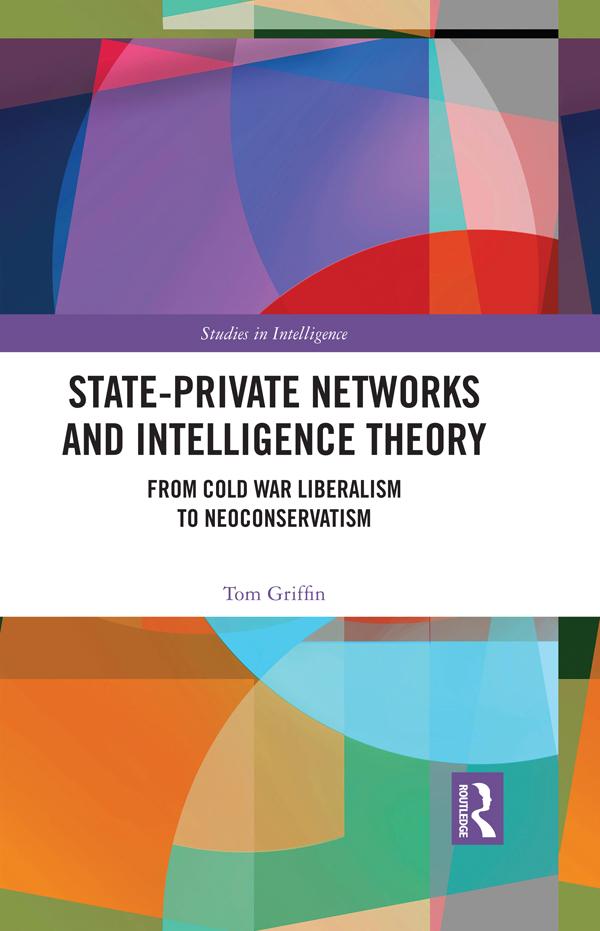
This book examines the United States neoconservative movement, arguing that its support for the 2003 invasion of Iraq was rooted in an intelligence theory shaped by the policy struggles of the Cold War.
The origins of neoconservative engagement with intelligence theory are traced to a tradition of labour anti-communism that emerged in the early 20th century and subsequently provided the Central Intelligence Agency with key allies in the state-private networks of the Cold War era. Reflecting on the break-up of Cold War liberalism and the challenge to state-private networks in the 1970s, the book maps the neoconservative response that influenced developments in United States intelligence policy, counterintelligence and covert action. With the labour roots of neoconservatism widely acknowledged but rarely systematically pursued, this new approach deploys the neoconservative literature of intelligence as evidence of a tradition rooted in the labour anti-communist self-image as allies rather than agents of the American state.
This book will be of great interest to all students of intelligence studies, Cold War history, United States foreign policy and international relations.
Płać wygodnie kartą, Klarną, Apple Pay lub Google Pay. Nie jesteś zadowolony? Zawsze masz 14-dniową gwarancję zwrotu pieniędzy. Więcej przeczytasz w naszych warunkach. Masz pytania? Napisz do nas na hello@memmo.org.
Memmo ułatwia naukę – gdziekolwiek jesteś na świecie. U nas znajdziesz podręczniki i sprytne narzędzia do nauki w jednym miejscu: streszczenia, quizy, podcasty i fiszki. A do tego Ted, Twój kumpel do nauki, który odpowie na wszystko, co Cię nurtuje. Ponad 50 000 studentów już tu się uczy – stworzone, byś uczył się szybciej i mniej stresował.