
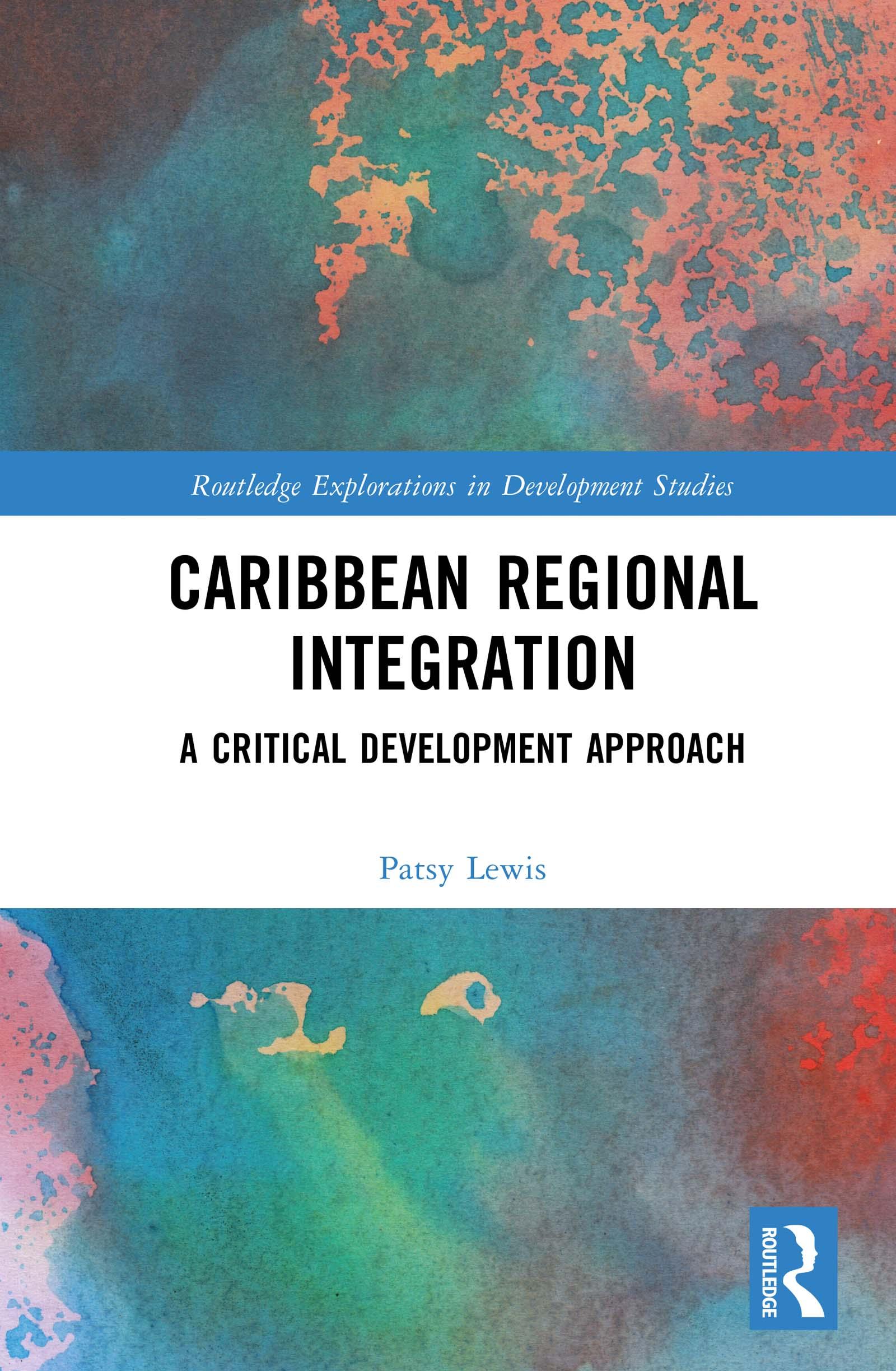
This book provides an in-depth analysis of the role of regional integration in the contemporary Caribbean, challenging the value of the neoliberal ideology that permeates regionalism discourse.
The book asks what value neoliberal regionalism holds for the Caribbean, when its economic goals of efficiency and competitiveness serve to actively marginalize small states within the global community. Presenting an alternative framework for assessing success, the book investigates how the Caribbean Community (CARICOM) can confront new challenges and perform a more developmental function, centring economic transformation and a more democratic process. The book also explores long-standing challenges with implementing regional decisions at the national level and the absence of avenues for citizens to influence the direction of the integration movement. It explores these themes against the backdrop of the global pandemic and the climate crisis which underscore the fragility of Caribbean economies, their high levels of indebtedness, weak social security systems, and their marginality.
Bringing together decades of research from one of the world’s foremost scholars on the subject, this book will be essential reading for researchers of the Caribbean specifically, and for those with an interest in regionalism more generally, across the fields of political economy, international relations, history, geography, economics, and global development.
Płać wygodnie kartą, Klarną, Apple Pay lub Google Pay. Nie jesteś zadowolony? Zawsze masz 14-dniową gwarancję zwrotu pieniędzy. Więcej przeczytasz w naszych warunkach. Masz pytania? Napisz do nas na hello@memmo.org.
Memmo ułatwia naukę – gdziekolwiek jesteś na świecie. U nas znajdziesz podręczniki i sprytne narzędzia do nauki w jednym miejscu: streszczenia, quizy, podcasty i fiszki. A do tego Ted, Twój kumpel do nauki, który odpowie na wszystko, co Cię nurtuje. Ponad 50 000 studentów już tu się uczy – stworzone, byś uczył się szybciej i mniej stresował.