
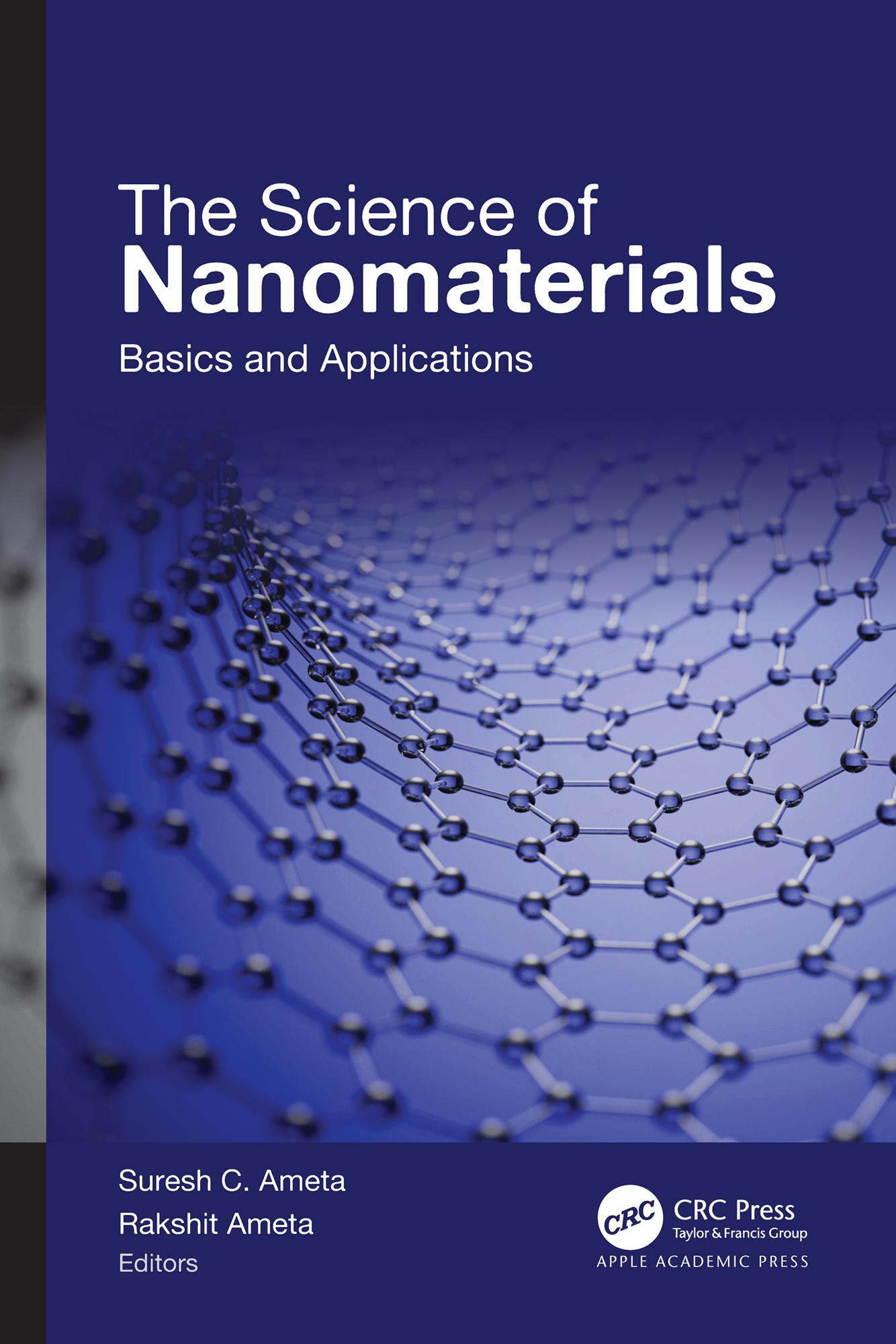
Nanoparticles have a smaller size as compared to their micro, macro, or bulk counterparts. Reduction in size of these particles provides them with some unique characteristics, such as surface-to-volume ratio, quantum confinement effect, surface plasmon response, widening of band gap, etc. These nanoparticles have attracted attention of scientists all over the globe in last few decades.
Written in a convenient and easy-to-read style, this book covers the important aspects of nanomaterials by focusing on the many issues related to the food and textile industries, treatment of polluted water, health, energy crises, targeted drug delivery, etc. The editors take an interdisciplinary approach to discussing how the scenario will change on a global level in the future and explore when these nanomaterials will replace almost all micro- and macromaterials.
The Science of Nanomaterials is a ready-at-hand guide to the many issues related to the use of nanomaterials in drug and gene delivery, sensors, photosplitting of water, wastewater treatment, microbial diagnosis, textile industries, nanocomposites, food industries (safety, security, packaging and preservation), etc.
Płać wygodnie kartą, Klarną, Apple Pay lub Google Pay. Nie jesteś zadowolony? Zawsze masz 14-dniową gwarancję zwrotu pieniędzy. Więcej przeczytasz w naszych warunkach. Masz pytania? Napisz do nas na hello@memmo.org.
Memmo ułatwia naukę – gdziekolwiek jesteś na świecie. U nas znajdziesz podręczniki i sprytne narzędzia do nauki w jednym miejscu: streszczenia, quizy, podcasty i fiszki. A do tego Ted, Twój kumpel do nauki, który odpowie na wszystko, co Cię nurtuje. Ponad 50 000 studentów już tu się uczy – stworzone, byś uczył się szybciej i mniej stresował.