
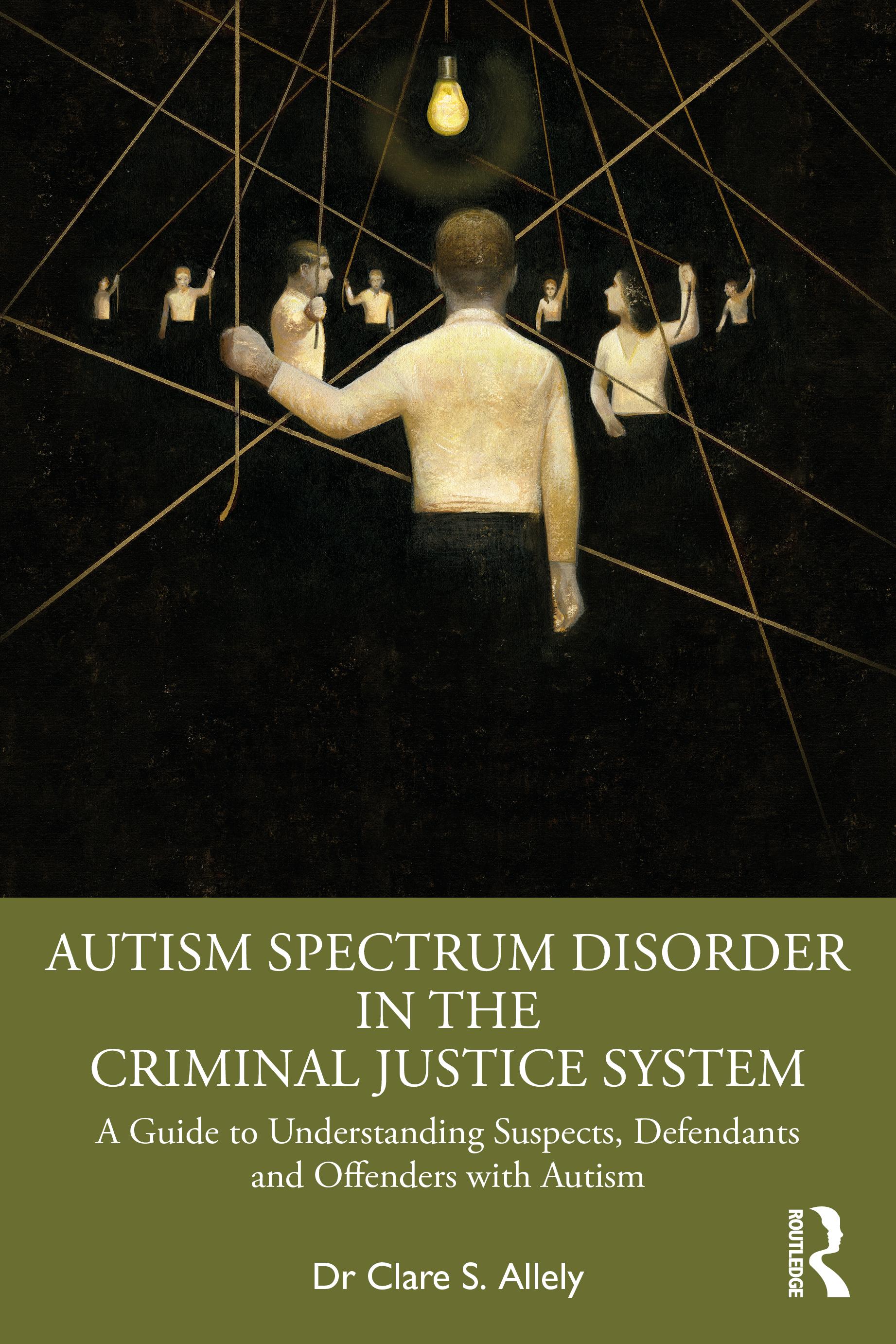
This book focuses on autism spectrum disorder (ASD) in the criminal justice system. Rather than being the perpetrators of offending behaviour, individuals with ASD are more likely to be the victims of crime. However, there is nevertheless a small subset of individuals with ASD who do offend, and this book provides an in-depth understanding of how certain features of ASD may provide the context of vulnerability to engaging in a number of types of offending behaviours.
Chapters focus on arson or fire-setting; cybercrime (e.g., hacking); online sexual offending such as the viewing of indecent child imagery; offline sexual offending; violent crime; stalking; terroristic behaviour (including radicalisation and extremism); bestiality or zoophilia; and also extreme violence such as mass shooting and serial homicide. This book also outlines the ways in which a defendant with ASD may present in court and how they may exhibit behaviour which could be misinterpreted and perceived negatively, leading to an unfair trial. Lastly, it discusses the need to identify the impact that ASD can have on the capacity to form the requisite criminal intent and offers appropriate court adaptions to support individuals with ASD during court proceedings.
This book is ideal for criminal defence lawyers and practitioners in psychology, psychiatry, and social work as well as policy makers and reformers.
Płać wygodnie kartą, Klarną, Apple Pay lub Google Pay. Nie jesteś zadowolony? Zawsze masz 14-dniową gwarancję zwrotu pieniędzy. Więcej przeczytasz w naszych warunkach. Masz pytania? Napisz do nas na hello@memmo.org.
Memmo ułatwia naukę – gdziekolwiek jesteś na świecie. U nas znajdziesz podręczniki i sprytne narzędzia do nauki w jednym miejscu: streszczenia, quizy, podcasty i fiszki. A do tego Ted, Twój kumpel do nauki, który odpowie na wszystko, co Cię nurtuje. Ponad 50 000 studentów już tu się uczy – stworzone, byś uczył się szybciej i mniej stresował.