
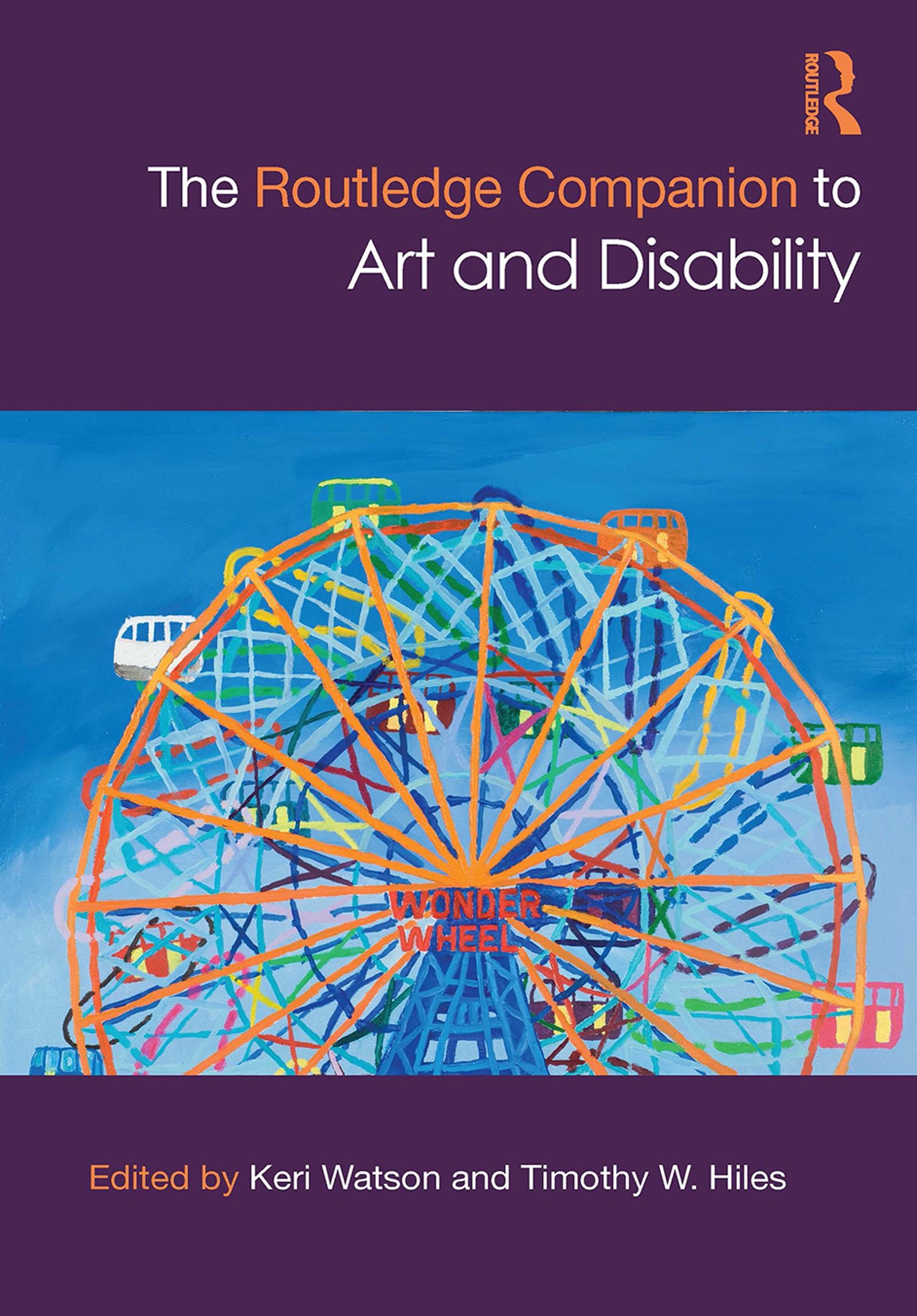
The Routledge Companion to Art and Disability explores disability in visual culture to uncover the ways in which bodily and cognitive differences are articulated physically and theoretically, and to demonstrate the ways in which disability is culturally constructed.
This companion is organized thematically and includes artists from across historical periods and cultures in order to demonstrate the ways in which disability is historically and culturally contingent. The book engages with questions such as: How are people with disabilities represented in art? How are notions of disability articulated in relation to ideas of normality, hybridity, and anomaly? How do artists use visual culture to affirm or subvert notions of the normative body? Contributors consider the changing role of disability in visual culture, the place of representations in society, and the ways in which disability studies engages with and critiques intersectional notions of gender, race, ethnicity, class, and sexuality.
This book will be particularly useful for scholars in art history, disability studies, visual culture, and museum studies.
Płać wygodnie kartą, Klarną, Apple Pay lub Google Pay. Nie jesteś zadowolony? Zawsze masz 14-dniową gwarancję zwrotu pieniędzy. Więcej przeczytasz w naszych warunkach. Masz pytania? Napisz do nas na hello@memmo.org.
Memmo ułatwia naukę – gdziekolwiek jesteś na świecie. U nas znajdziesz podręczniki i sprytne narzędzia do nauki w jednym miejscu: streszczenia, quizy, podcasty i fiszki. A do tego Ted, Twój kumpel do nauki, który odpowie na wszystko, co Cię nurtuje. Ponad 50 000 studentów już tu się uczy – stworzone, byś uczył się szybciej i mniej stresował.