
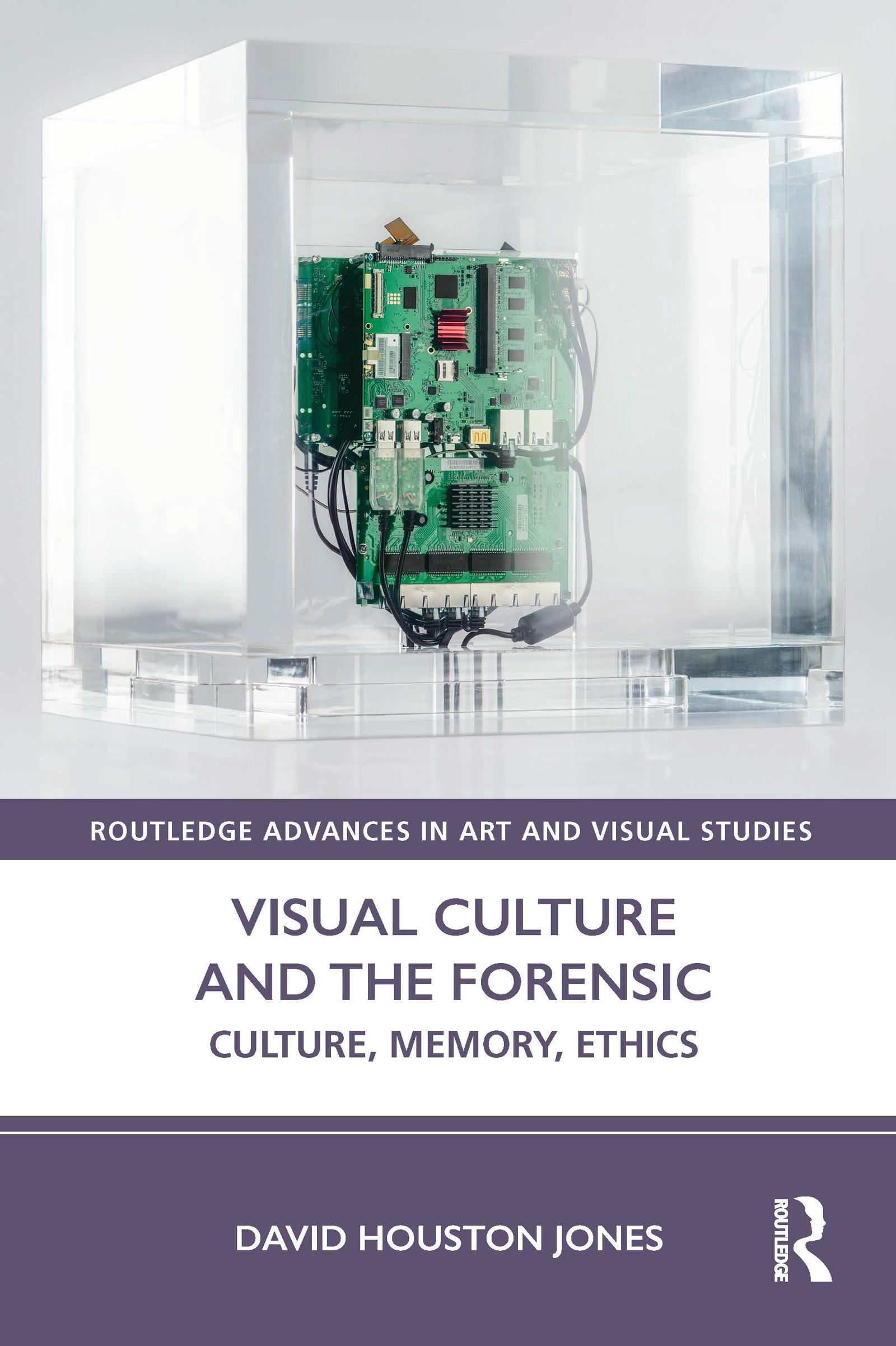
David Houston Jones builds a bridge between practices conventionally understood as forensic, such as crime scene investigation, and the broader field of activity which the forensic now designates, for example in performance and installation art as well as photography.
Contemporary work in these areas responds both to forensic evidence, including crime scene photography, and to some of the assumptions underpinning its consumption. It asks how we look, and in whose name, foregrounding and scrutinising the enduring presence of voyeurism in visual media and instituting new forms of ethical engagement. Such work responds to the object-oriented culture associated with the forensic and offers a reassessment of the relationship of human voice and material evidence. It displays an enduring debt to the discursive model of testimony which has so far been insufficiently recognised, and which forms the basis for a new ethical understanding of the forensic. Jones’s analysis brings this methodology to bear upon a strand of contemporary visual activity that has the power to significantly redefine our understandings of the production, analysis and deployment of evidence. Artists examined include Forensic Architecture, Simon Norfolk, Melanie Pullen, Angela Strassheim, John Gerrard, Julian Charrière, Trevor Paglen, Laura Poitras and Sophie Ristelhueber.
The book will be of interest to scholars working in art history, visual culture, literary studies, modern languages, photography and critical theory.
Płać wygodnie kartą, Klarną, Apple Pay lub Google Pay. Nie jesteś zadowolony? Zawsze masz 14-dniową gwarancję zwrotu pieniędzy. Więcej przeczytasz w naszych warunkach. Masz pytania? Napisz do nas na hello@memmo.org.
Memmo ułatwia naukę – gdziekolwiek jesteś na świecie. U nas znajdziesz podręczniki i sprytne narzędzia do nauki w jednym miejscu: streszczenia, quizy, podcasty i fiszki. A do tego Ted, Twój kumpel do nauki, który odpowie na wszystko, co Cię nurtuje. Ponad 50 000 studentów już tu się uczy – stworzone, byś uczył się szybciej i mniej stresował.