
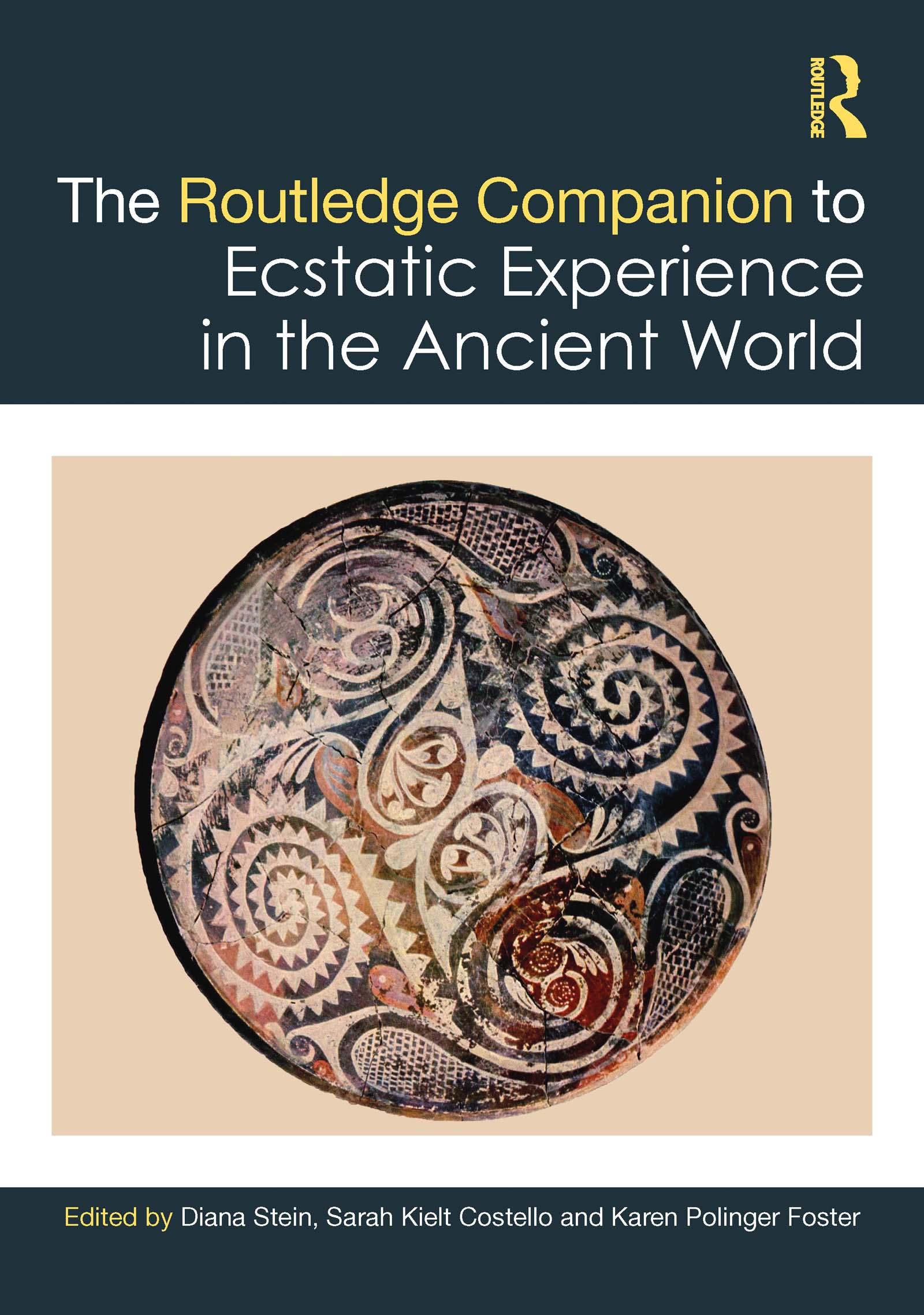
For millennia, people have universally engaged in ecstatic experience as an essential element in ritual practice, spiritual belief and cultural identification. This volume offers the first systematic investigation of its myriad roles and manifestations in the ancient Mediterranean and Near East.
The twenty-nine contributors represent a broad range of scholarly disciplines, seeking answers to fundamental questions regarding the patterns and commonalities of this vital aspect of the past. How was the experience construed and by what means was it achieved? Who was involved? Where and when were rites carried out? How was it reflected in pictorial arts and written records? What was its relation to other components of the sociocultural compact? In proposing responses, the authors draw upon a wealth of original research in many fields, generating new perspectives and thought-provoking, often surprising, conclusions. With their abundant cross-cultural and cross-temporal references, the chapters mutually enrich each other and collectively deepen our understanding of ecstatic phenomena thousands of years ago. Another noteworthy feature of the book is its illustrative content, including commissioned reconstructions of ecstatic scenarios and pairings of works of Bronze Age and modern psychedelic art.
Scholars, students and other readers interested in antiquity, comparative religion and the social and cognitive sciences will find much to explore in the fascinating realm of ecstatic experience in the ancient world.
Płać wygodnie kartą, Klarną, Apple Pay lub Google Pay. Nie jesteś zadowolony? Zawsze masz 14-dniową gwarancję zwrotu pieniędzy. Więcej przeczytasz w naszych warunkach. Masz pytania? Napisz do nas na hello@memmo.org.
Memmo ułatwia naukę – gdziekolwiek jesteś na świecie. U nas znajdziesz podręczniki i sprytne narzędzia do nauki w jednym miejscu: streszczenia, quizy, podcasty i fiszki. A do tego Ted, Twój kumpel do nauki, który odpowie na wszystko, co Cię nurtuje. Ponad 50 000 studentów już tu się uczy – stworzone, byś uczył się szybciej i mniej stresował.