
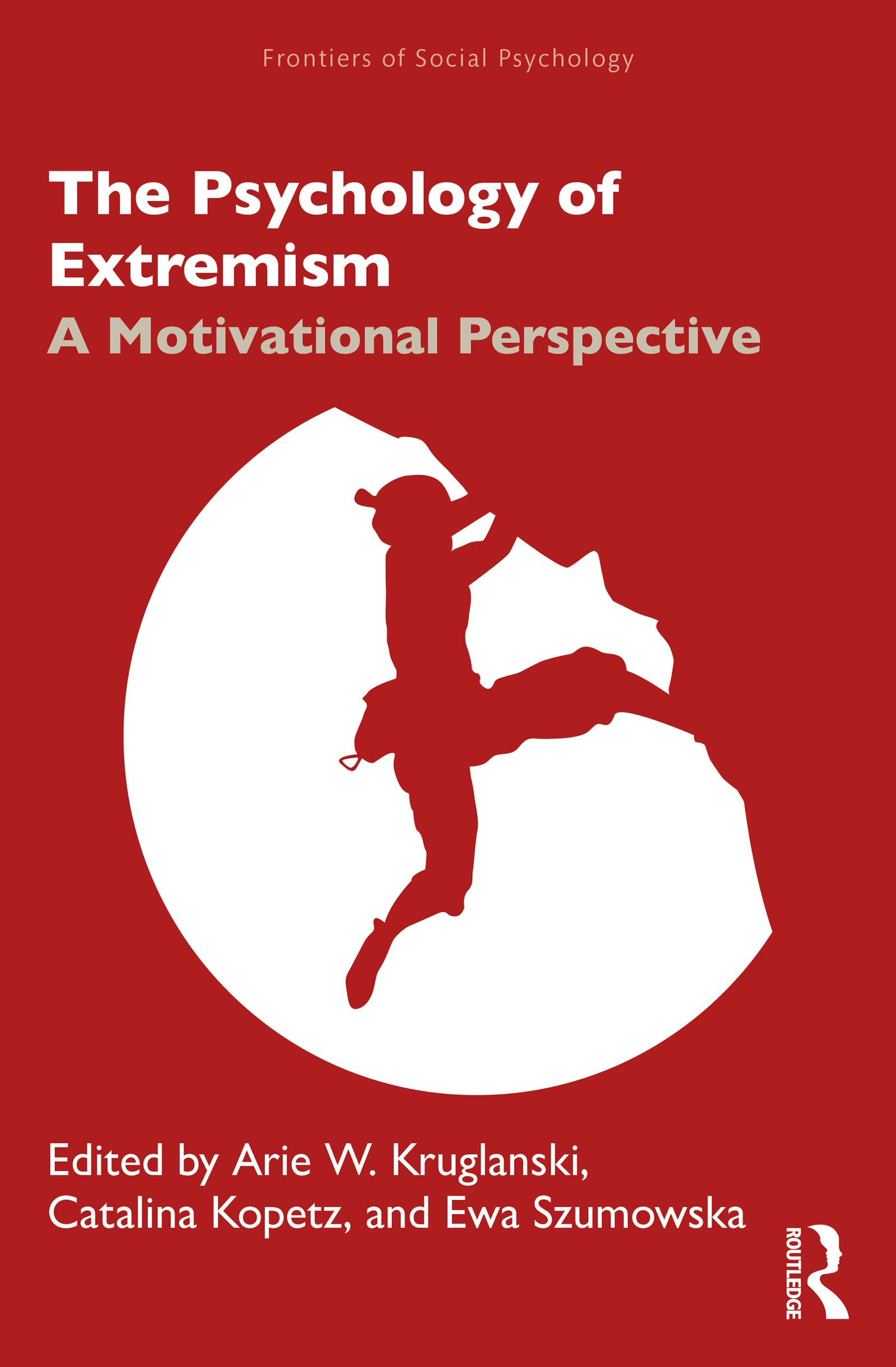
This ground-breaking book introduces a new model of extremism that emphasizes motivational imbalance among individual needs, offering a unique multidisciplinary exploration of extreme behaviors relating to terrorism, dieting, sports, love, addictions, and money.
In popular discourse, the term ‘extremism’ has come to mean largely ‘violent extremism’, but this is just one of many different types: extreme sports, extreme diets, political and religious extremisms, extreme self-interest, extreme attitudes, extreme devotion to a cause, addiction to substances, or behavioral addiction (to videogames, shopping, pornography, sex, and work). But do these descriptions have a deeper meaning? Do they reveal a common psychological dynamic? Or are they merely a mode of things about phenomena that have little in common? Bringing together world-leading psychologists from a variety of disciplines, the book uses a brand-new model to examine different expressions of extremism, at different levels of analysis (brain, hormones, and behavior), in order not merely to describe such behaviors but also to explain their occurrence, and the conditions under which they may be likely to emerge.
Also including suggestions for ways in which extremism could be counteracted, and to what extent it appears to be harmful to individuals and society, this is essential reading for students and academics in psychology and behavioral sciences.
Płać wygodnie kartą, Klarną, Apple Pay lub Google Pay. Nie jesteś zadowolony? Zawsze masz 14-dniową gwarancję zwrotu pieniędzy. Więcej przeczytasz w naszych warunkach. Masz pytania? Napisz do nas na hello@memmo.org.
Memmo ułatwia naukę – gdziekolwiek jesteś na świecie. U nas znajdziesz podręczniki i sprytne narzędzia do nauki w jednym miejscu: streszczenia, quizy, podcasty i fiszki. A do tego Ted, Twój kumpel do nauki, który odpowie na wszystko, co Cię nurtuje. Ponad 50 000 studentów już tu się uczy – stworzone, byś uczył się szybciej i mniej stresował.