
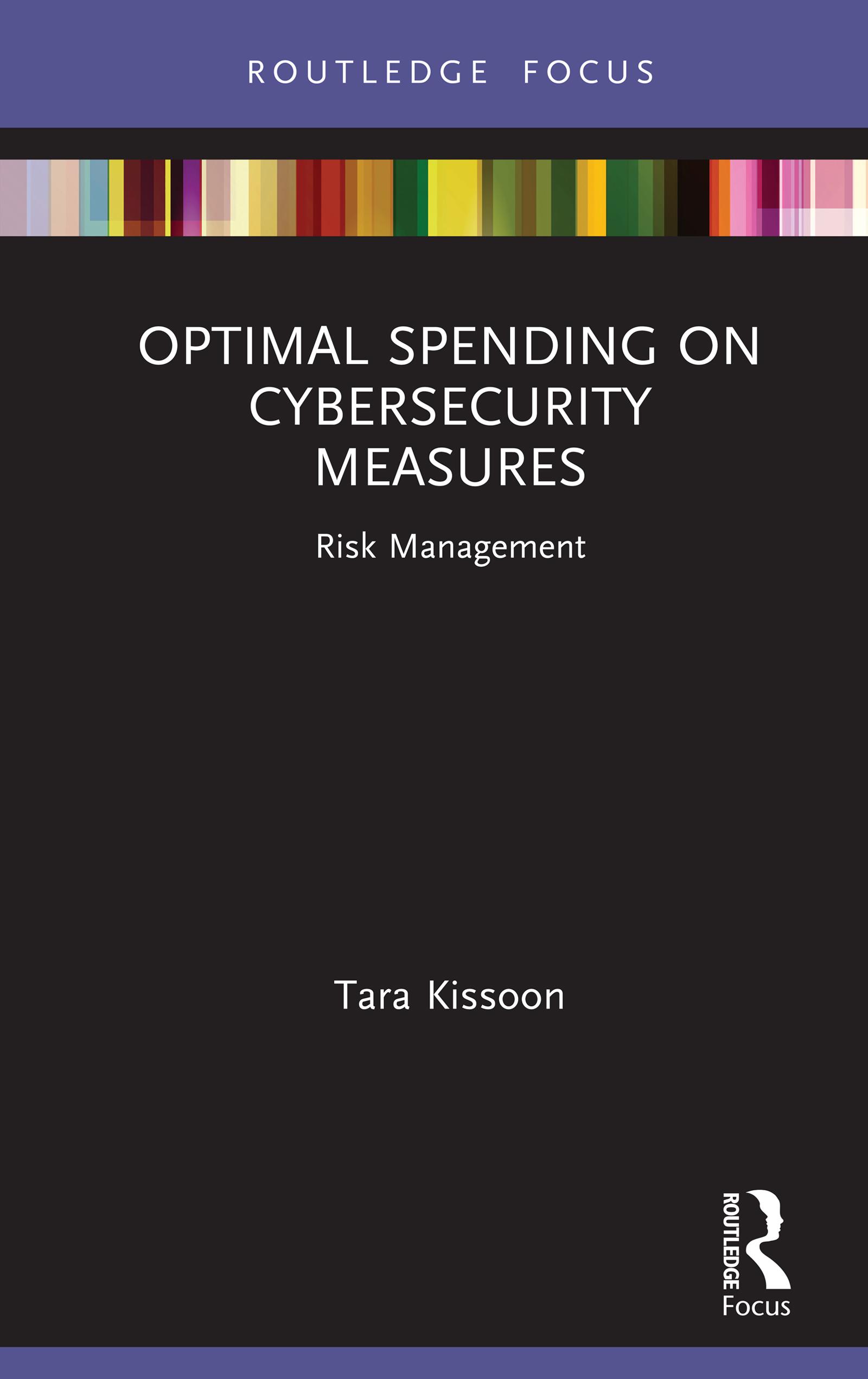
This book explores the strategic decisions made by organizations when implementing cybersecurity controls and leveraging economic models and theories from the economics of information security and risk-management frameworks.
Based on unique and distinct research completed within the field of risk-management and information security, this book provides insight into organizational risk-management processes utilized in determining cybersecurity investments. It describes how theoretical models and frameworks rely on either specific scenarios or controlled conditions and how decisions on cybersecurity spending within organizations—specifically, the funding available in comparison to the recommended security measures necessary for compliance—vary depending on stakeholders. As the trade-off between the costs of implementing a security measure and the benefit derived from the implementation of security controls is not easily measured, a business leader’s decision to fund security measures may be biased. The author presents an innovative approach to assess cybersecurity initiatives with a risk-management perspective and leverages a data-centric focus on the evolution of cyber-attacks.
This book is ideal for business school students and technology professionals with an interest in risk management.
Płać wygodnie kartą, Klarną, Apple Pay lub Google Pay. Nie jesteś zadowolony? Zawsze masz 14-dniową gwarancję zwrotu pieniędzy. Więcej przeczytasz w naszych warunkach. Masz pytania? Napisz do nas na hello@memmo.org.
Memmo ułatwia naukę – gdziekolwiek jesteś na świecie. U nas znajdziesz podręczniki i sprytne narzędzia do nauki w jednym miejscu: streszczenia, quizy, podcasty i fiszki. A do tego Ted, Twój kumpel do nauki, który odpowie na wszystko, co Cię nurtuje. Ponad 50 000 studentów już tu się uczy – stworzone, byś uczył się szybciej i mniej stresował.