
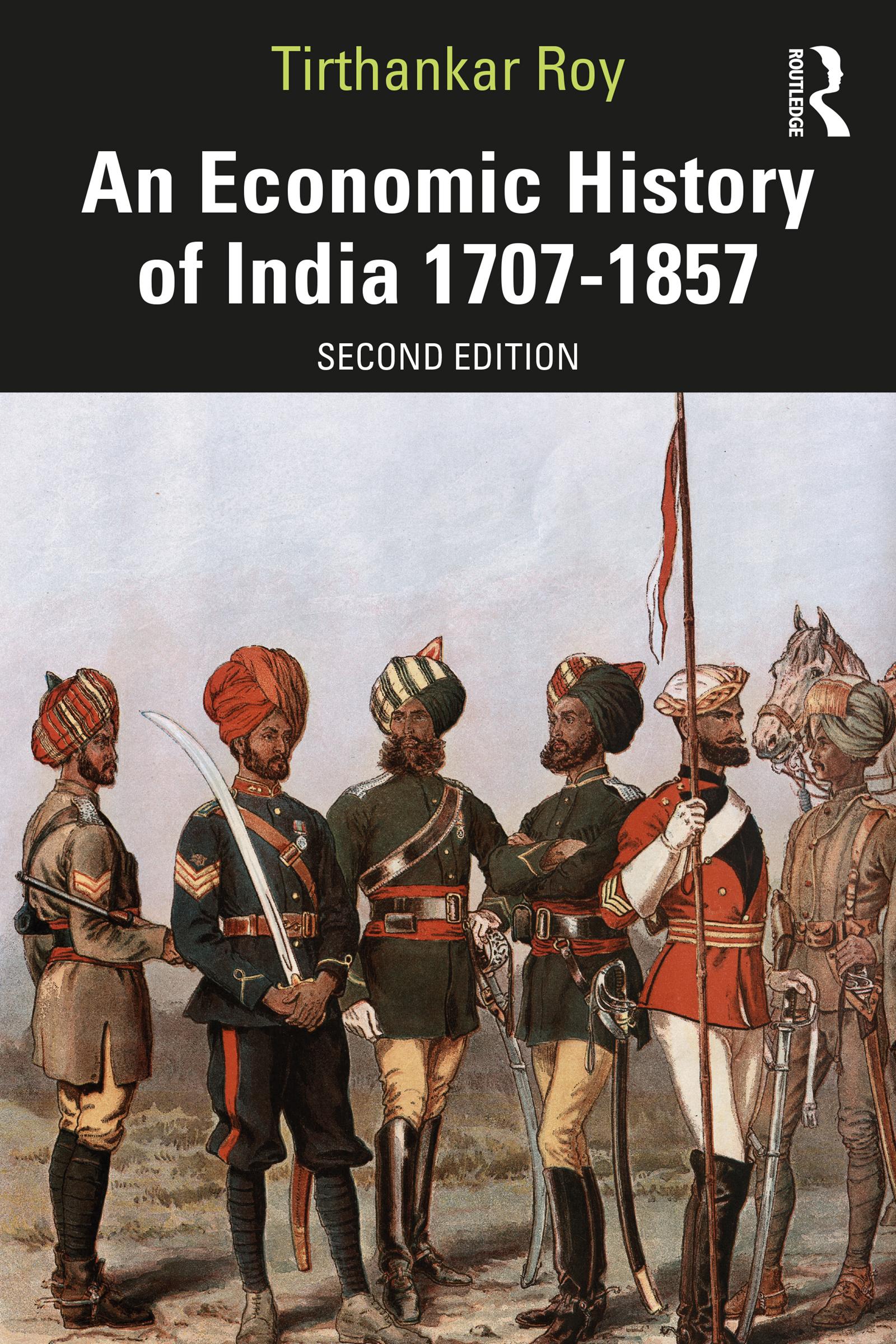
This new edition of An Economic History of Early Modern India extends the timespan of the analysis to incorporate further research. This allows for a more detailed discussion of the rise of the British Empire in South Asia and gives a fuller context for the historiography.
In the years between the death of the emperor Aurangzeb (1707) and the Great Rebellion (1857), the Mughal Empire and the states that rose from its ashes declined in wealth and power, and a British Empire emerged in South Asia. This book asks three key questions about the transition. Why did it happen? What did it mean? How did it shape economic change? The book shows that during these years, a merchant-friendly regime among warlord-ruled states emerged and state structure transformed to allow taxes and military capacity to be held by one central power, the British East India Company. The author demonstrates that the fall of warlord-ruled states and the empowerment of the merchant, in consequence, shaped the course of Indian and world economic history.
Reconstructing South Asia’s transition, starting with the Mughal Empire’s collapse and ending with the great rebellion of 1857, this book is the first systematic account of the economic history of early modern India. It is an essential reference for students and scholars of Economics and South Asian History.
Płać wygodnie kartą, Klarną, Apple Pay lub Google Pay. Nie jesteś zadowolony? Zawsze masz 14-dniową gwarancję zwrotu pieniędzy. Więcej przeczytasz w naszych warunkach. Masz pytania? Napisz do nas na hello@memmo.org.
Memmo ułatwia naukę – gdziekolwiek jesteś na świecie. U nas znajdziesz podręczniki i sprytne narzędzia do nauki w jednym miejscu: streszczenia, quizy, podcasty i fiszki. A do tego Ted, Twój kumpel do nauki, który odpowie na wszystko, co Cię nurtuje. Ponad 50 000 studentów już tu się uczy – stworzone, byś uczył się szybciej i mniej stresował.