
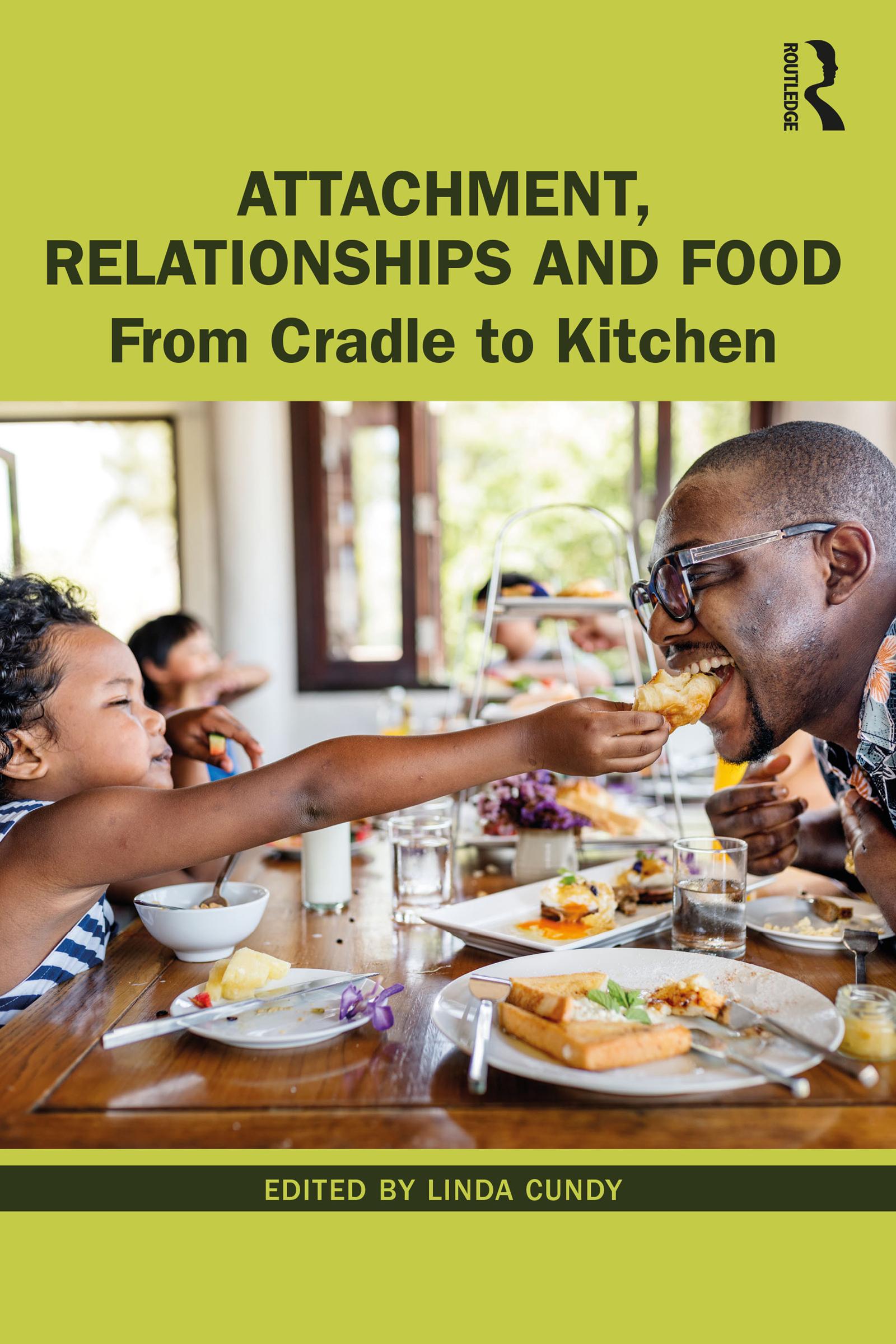
Using attachment theory as a lens for understanding the role of food in our everyday lives, this book explores relationships with other people, with ourselves and between client and therapist, through our connection with food.
The aim of this book is twofold: to examine the nature of attachment through narratives of feeding, and to enrich psychotherapy practice by encouraging exploration of clients’ food-related memories and associations. Bringing together contributions from an experienced group of psychotherapists, the chapters examine how our connections with food shape our patterns of attachment and defence, how this influences appetite, self-feeding (or self-starving) and how we may then feed others. They consider a spectrum from a "secure attachment" to food through to avoidant, preoccupied and disorganised, including discussion of eating disorders.
Enriched throughout with diverse clinical case studies, this edited collection illuminates how relationships to food can be a rich source of insight and understanding for psychotherapists, psychoanalysts and other counselling therapists working today.
Płać wygodnie kartą, Klarną, Apple Pay lub Google Pay. Nie jesteś zadowolony? Zawsze masz 14-dniową gwarancję zwrotu pieniędzy. Więcej przeczytasz w naszych warunkach. Masz pytania? Napisz do nas na hello@memmo.org.
Memmo ułatwia naukę – gdziekolwiek jesteś na świecie. U nas znajdziesz podręczniki i sprytne narzędzia do nauki w jednym miejscu: streszczenia, quizy, podcasty i fiszki. A do tego Ted, Twój kumpel do nauki, który odpowie na wszystko, co Cię nurtuje. Ponad 50 000 studentów już tu się uczy – stworzone, byś uczył się szybciej i mniej stresował.