
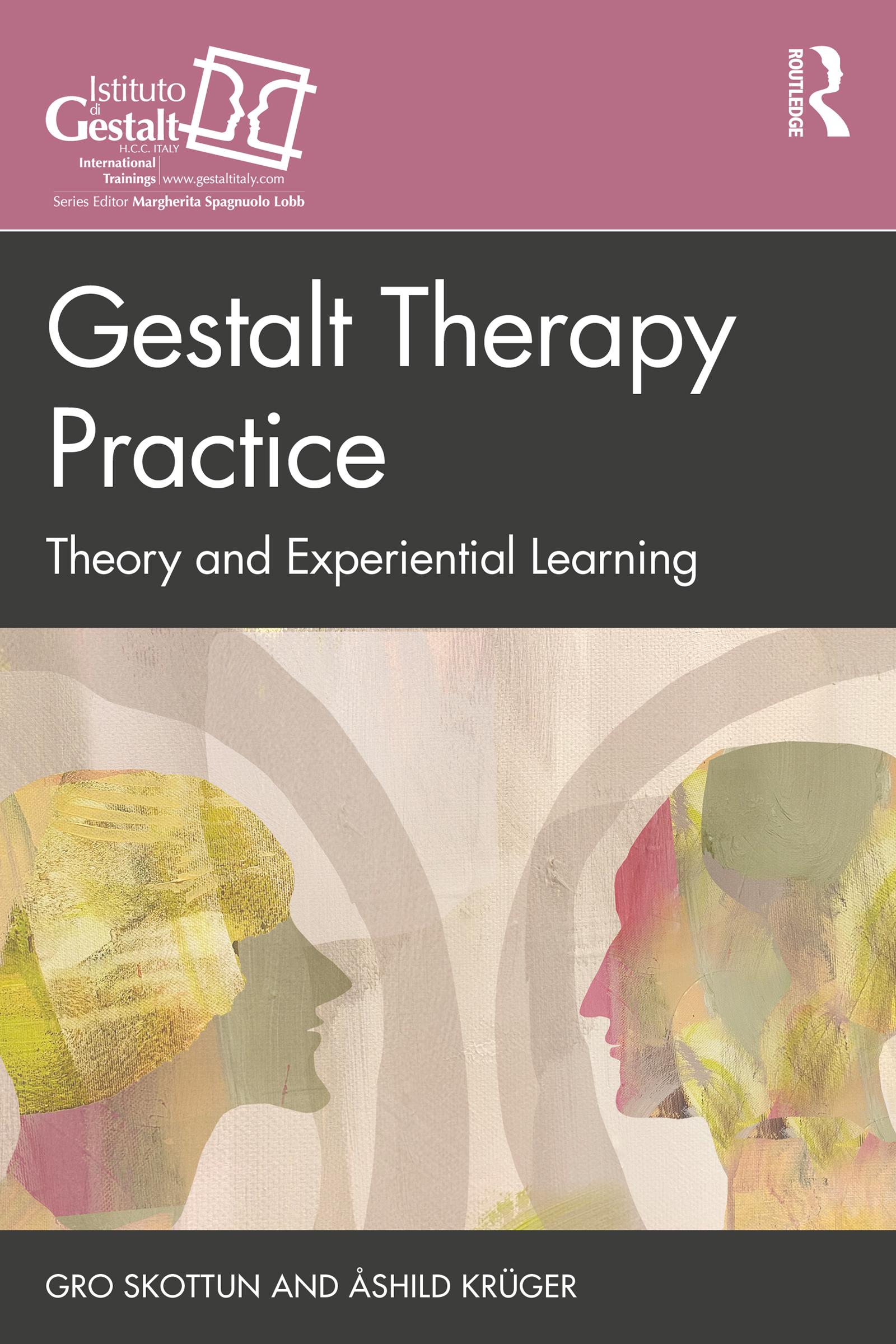
This essential new book gives the reader an introduction to the fundamental concepts of gestalt therapy in a stimulating and accessible style. It supports the study and practice of gestalt therapy for clinicians of all backgrounds, reflecting a practice-based pedagogy that emphasises experiential learning.
The content in this book builds on the curriculum taught at the Norwegian Gestalt Institute University College (NGI). The material is divided into four main sections. In the first section, the theoretical basis for gestalt therapy is presented with references to gestalt psychology, field theory, phenomenology, and existential philosophy. In the later parts, central theoretical terms and practical models are discussed, such as the paradoxical theory of change, creative adjustment, self, contact, contact forms, awareness, polarities, and process models. Clinical examples illustrate the therapy form’s emphasis on the relational meeting between therapist and client.
Detailed description of gestalt therapy theory from the time of the gestalt psychologists to today, with abundant examples from clinical practice, distinguishes this book from other texts. It will be of great value to therapists, coaches, and students of gestalt therapy.
Płać wygodnie kartą, Klarną, Apple Pay lub Google Pay. Nie jesteś zadowolony? Zawsze masz 14-dniową gwarancję zwrotu pieniędzy. Więcej przeczytasz w naszych warunkach. Masz pytania? Napisz do nas na hello@memmo.org.
Memmo ułatwia naukę – gdziekolwiek jesteś na świecie. U nas znajdziesz podręczniki i sprytne narzędzia do nauki w jednym miejscu: streszczenia, quizy, podcasty i fiszki. A do tego Ted, Twój kumpel do nauki, który odpowie na wszystko, co Cię nurtuje. Ponad 50 000 studentów już tu się uczy – stworzone, byś uczył się szybciej i mniej stresował.