
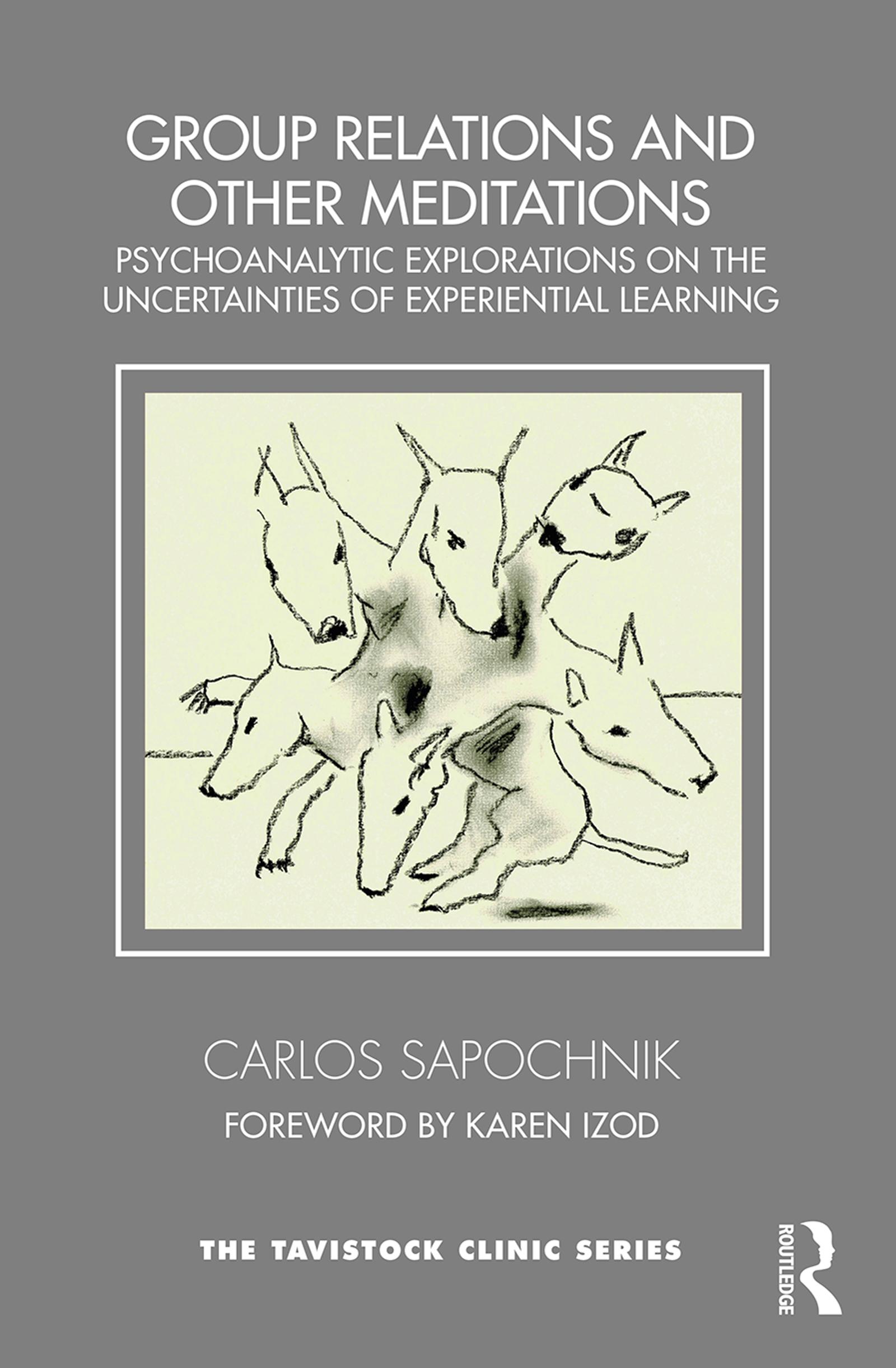
This book examines the Tavistock tradition of using group relations conferences as temporary training organizations for groups and institutions, and how those can inform and enrich the theory and practice of experiential learning more generally.
First, this book analyses the structures, rituals, and beliefs of group relations conferences, drawing on the author’s learned experience in the field, followed by meditations extending to broader areas, such as the social nature of corruption, martial arts, Western culture’s longing for creativity, and the use of drawing in social science research. It addresses the tension between psychoanalysis and systemic theory in group relations thinking, refining and re-defining key concepts of the practice, challenging notions of dependence and dependency, performative poetics, learning, the politics of power, nostalgia, and the unspoken reasons for the wish to join conference staff teams. It offers a critique of the polarity concerning terms such as spontaneity, the sense of mystery, openness to the unexpected, and trust in unconscious processes, as opposed to the desire for certainty and the confusion, anxiety, and aggression evoked when groups find themselves without familiar signposts. Drawing on his thinking developed over the course of a professional life as organizational consultant, artist, designer, teacher, researcher, and poet, the author invites the reader to challenge boundaries towards a less inflexible and defended engagement with the Other. The metaphor of bricolage, an activity that inspires creativity and originality, suggests possible ways of putting known things together to approach new meaning as provisional and shifting. The many strands thus gathered reveal new dimensions of group life that crucially affect our everyday living and surviving, both as individuals and as members of society.
This work will allow psychoanalysts, psychotherapists, group therapists, organizational consultants and trainers to put the lessons learned from group relations conferences into everyday practice.
Płać wygodnie kartą, Klarną, Apple Pay lub Google Pay. Nie jesteś zadowolony? Zawsze masz 14-dniową gwarancję zwrotu pieniędzy. Więcej przeczytasz w naszych warunkach. Masz pytania? Napisz do nas na hello@memmo.org.
Memmo ułatwia naukę – gdziekolwiek jesteś na świecie. U nas znajdziesz podręczniki i sprytne narzędzia do nauki w jednym miejscu: streszczenia, quizy, podcasty i fiszki. A do tego Ted, Twój kumpel do nauki, który odpowie na wszystko, co Cię nurtuje. Ponad 50 000 studentów już tu się uczy – stworzone, byś uczył się szybciej i mniej stresował.