
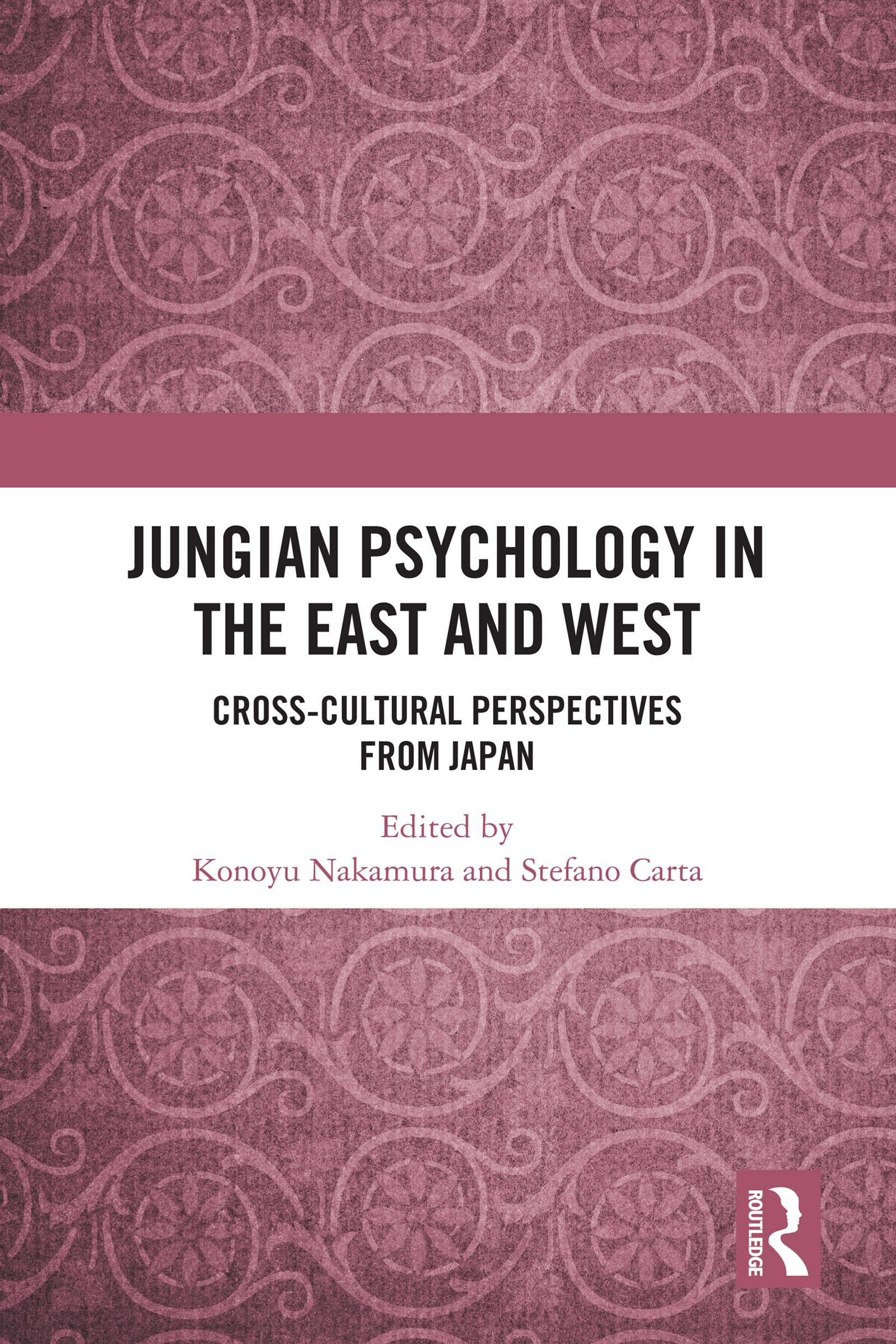
It is well known that Jung’s investigation of Eastern religions and cultures supplied him with an abundance of cross-cultural comparative material, useful to support his hypotheses of the existence of archetypes, the collective unconscious and other manifestations of psychic reality. However, the specific literature dealing with this aspect has previously been quite scarce. This unique edited collection brings together contributors writing on a range of topics that represent an introduction to the differences between Eastern and Western approaches to Jungian psychology.
Readers will discover that one interesting feature of this book is the realization of how much Western Jungians are implicitly or explicitly inspired by Eastern traditions – including Japanese – and, at the same time, how Jungian psychology – the product of a Western author – has been widely accepted and developed by Japanese scholars and clinicians.
Scholars and students of Jungian studies will find many new ideas, theories and practices gravitating around Jungian psychology, generated by the encounter between East and West. Another feature that will be appealing to many readers is that this book may represent an introduction to Japanese philosophy and clinical techniques related to Jungian psychology.
Płać wygodnie kartą, Klarną, Apple Pay lub Google Pay. Nie jesteś zadowolony? Zawsze masz 14-dniową gwarancję zwrotu pieniędzy. Więcej przeczytasz w naszych warunkach. Masz pytania? Napisz do nas na hello@memmo.org.
Memmo ułatwia naukę – gdziekolwiek jesteś na świecie. U nas znajdziesz podręczniki i sprytne narzędzia do nauki w jednym miejscu: streszczenia, quizy, podcasty i fiszki. A do tego Ted, Twój kumpel do nauki, który odpowie na wszystko, co Cię nurtuje. Ponad 50 000 studentów już tu się uczy – stworzone, byś uczył się szybciej i mniej stresował.