
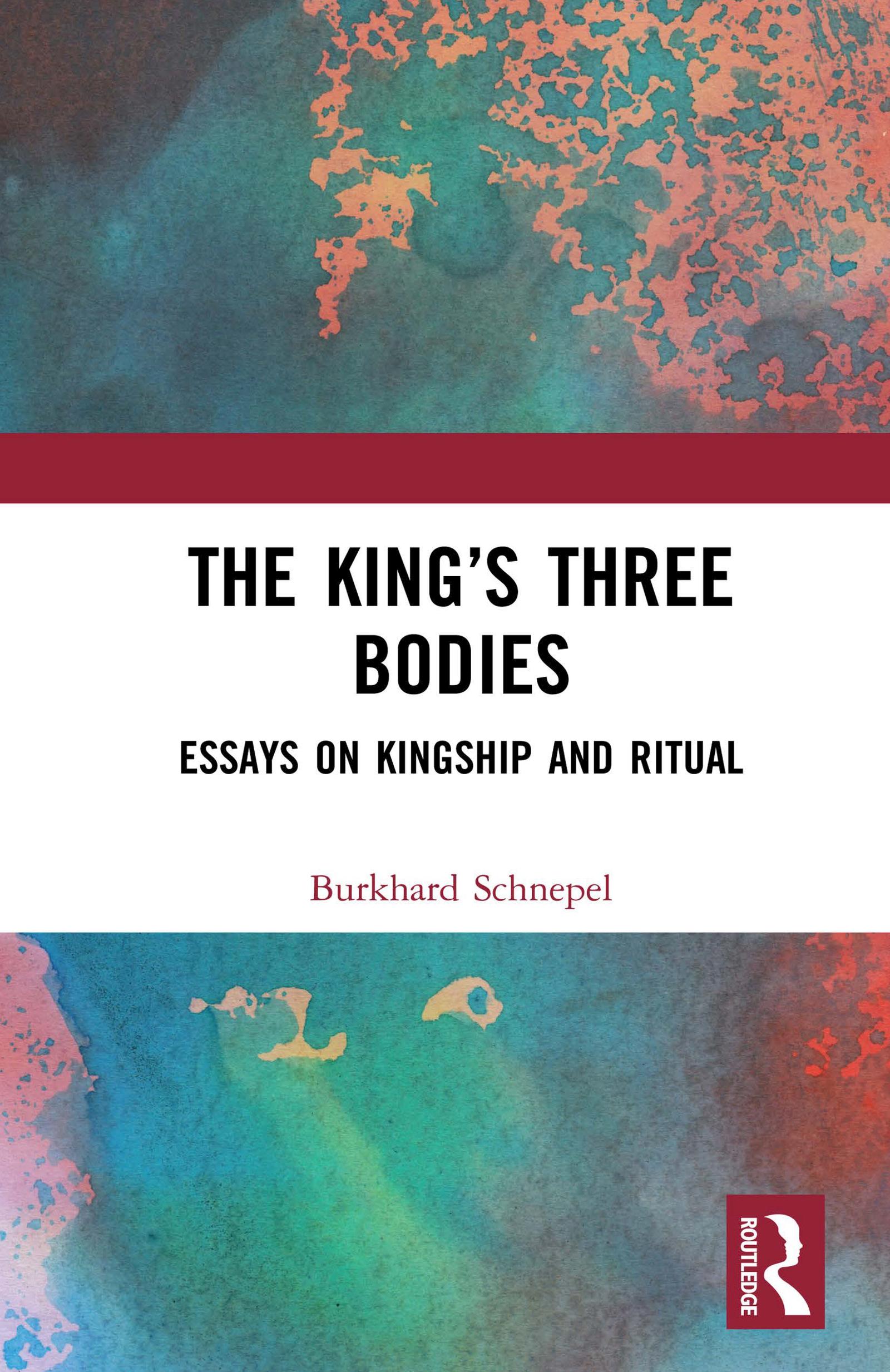
This collection of essays deals with the rituals of kingship and royalty in India, Africa and Europe from the social anthropological and ethnohistorical points of view. It discusses the dialectical entanglements of rituals conducted for and by kings (including, ‘little kings’ and ‘jungle kings’) with the wider social, political, cultural, historical, religious and economic contexts in which they were embedded.
Part I begins with a triangular comparison of kingship among the Shilluks of East Africa, the Gajapatis of eastern India and kings in Renaissance France. The essay entitled the ‘King’s Three Bodies’ makes use of Ernst H. Kantorowicz’s classical study, The King’s Two Bodies in medieval political theology and extends it, not only in terms of the numbers of bodies that are found to be significant, but also theoretically. Another significant essay in this part looks at the unexpected but significant theoretical impact of social anthropological studies of acephalous, segmentary lineage societies in Africa on Indian historiography. The second part of this volume consists of three chapters dealing with the royal patronage of tribal and Hindu goddesses in Eastern India, while the third part presents studies on sleeping (and dreaming) kings and on the power of dead kings, a discussion of A.M. Hocart’s dictum that the first kings must have been dead kings.
Please note: Taylor & Francis does not sell or distribute the Hardback in India, Pakistan, Nepal, Bhutan, Bangladesh and Sri Lanka.
Płać wygodnie kartą, Klarną, Apple Pay lub Google Pay. Nie jesteś zadowolony? Zawsze masz 14-dniową gwarancję zwrotu pieniędzy. Więcej przeczytasz w naszych warunkach. Masz pytania? Napisz do nas na hello@memmo.org.
Memmo ułatwia naukę – gdziekolwiek jesteś na świecie. U nas znajdziesz podręczniki i sprytne narzędzia do nauki w jednym miejscu: streszczenia, quizy, podcasty i fiszki. A do tego Ted, Twój kumpel do nauki, który odpowie na wszystko, co Cię nurtuje. Ponad 50 000 studentów już tu się uczy – stworzone, byś uczył się szybciej i mniej stresował.