
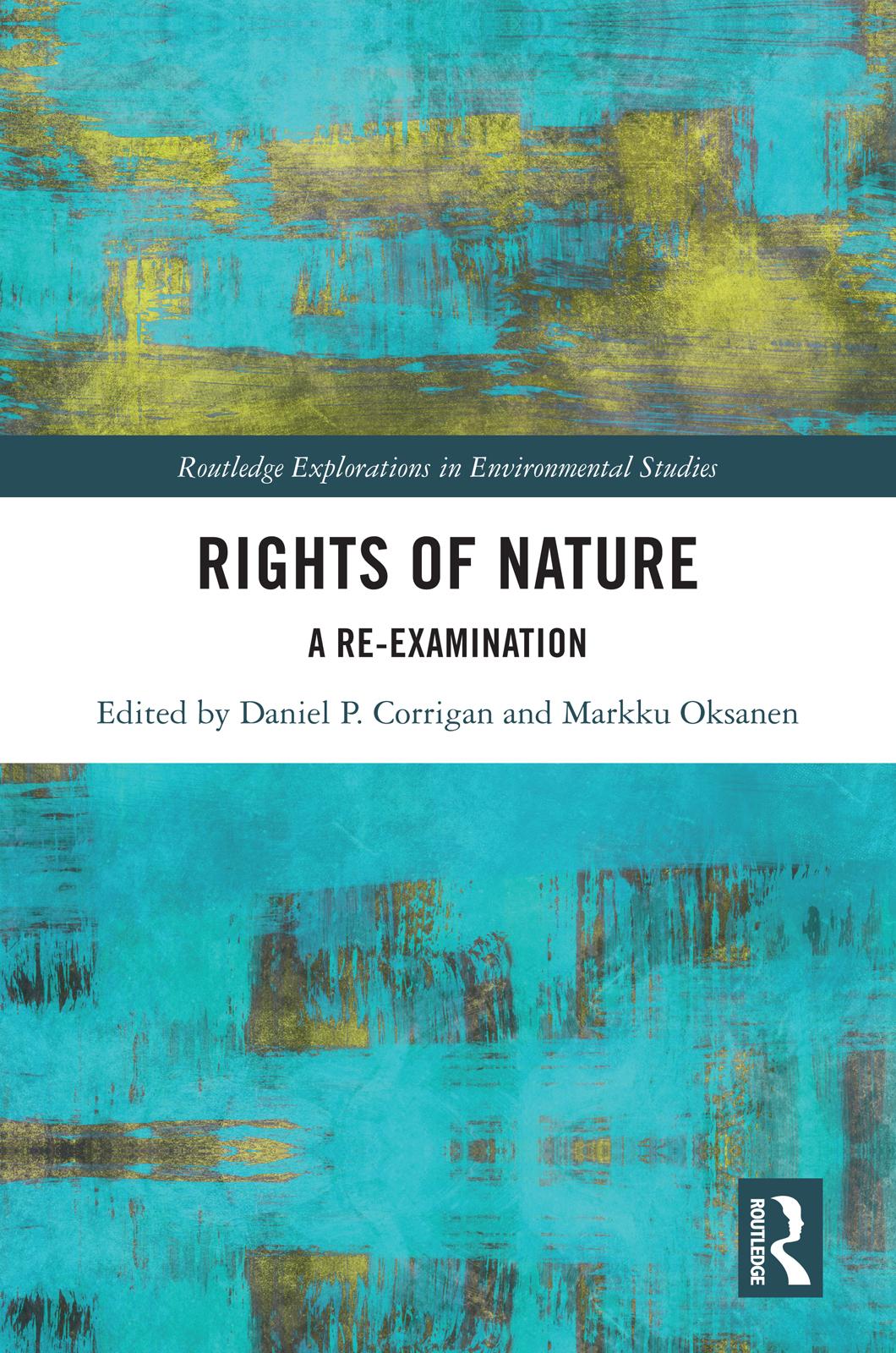
Rights of nature is an idea that has come of age. In recent years, a diverse range of countries and jurisdictions have adopted these norms, which involve granting legal rights to nature or natural objects, such as rivers, forests, or ecosystems. This book critically examines the idea of natural objects as right-holders and analyzes legal cases, policies, and philosophical issues relating to this development.
Drawing on contributions from a range of experts in the field, Rights of Nature: A Re-examination investigates the potential for this innovative idea to revolutionize the concepts of rights, standing, and recognition as traditionally understood in many legal systems. Taking as its starting point Stone’s influential 1972 article "Should Trees Have Standing?," the book examines the progress rights of nature have made since that time, by identifying central themes, unifying principles, and key distinctions in how rights of nature discourse has been operationalized in the disciplines of law, philosophy, and the social sciences. These themes and principles are illustrated through a wide variety of examples, including ecosystem services, indigenous thinking, and ecological restoration, demonstrating how the relationship between humanity and the natural world may be transforming.
Taking a philosophical, political, and legal perspective, this book will be of great interest to students and scholars of environmental law and policy, environmental ethics, and philosophy.
Płać wygodnie kartą, Klarną, Apple Pay lub Google Pay. Nie jesteś zadowolony? Zawsze masz 14-dniową gwarancję zwrotu pieniędzy. Więcej przeczytasz w naszych warunkach. Masz pytania? Napisz do nas na hello@memmo.org.
Memmo ułatwia naukę – gdziekolwiek jesteś na świecie. U nas znajdziesz podręczniki i sprytne narzędzia do nauki w jednym miejscu: streszczenia, quizy, podcasty i fiszki. A do tego Ted, Twój kumpel do nauki, który odpowie na wszystko, co Cię nurtuje. Ponad 50 000 studentów już tu się uczy – stworzone, byś uczył się szybciej i mniej stresował.