
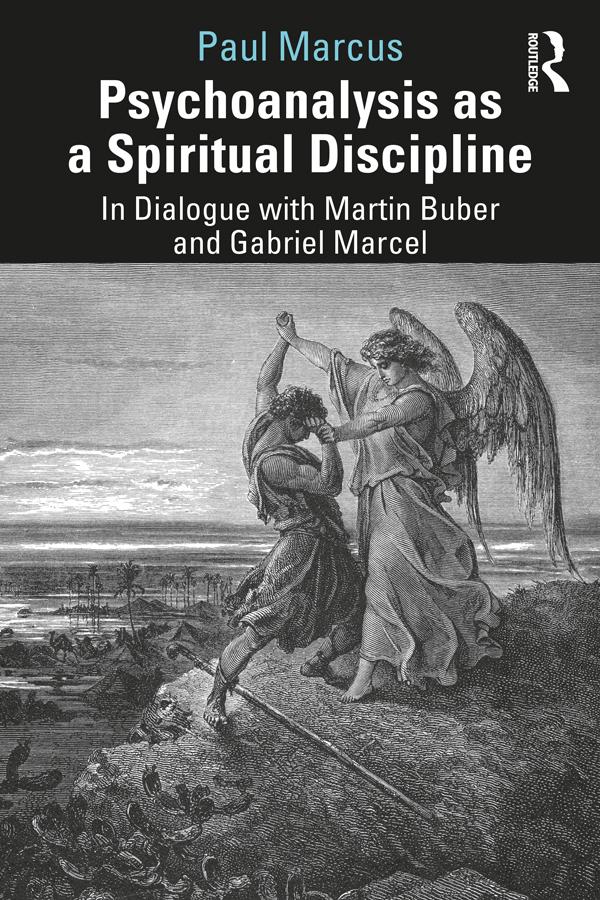
The great existential psychiatrist Ludwig Binswanger famously pointed out to Freud that therapeutic failure could "only be understood as the result of something which could be called a deficiency of spirit." Binswanger was surprised when Freud agreed, asserting, "Yes, spirit is everything." However, spirit and the spiritual realm have largely been dropped from mainstream psychoanalytic theory and practice.
This book seeks to help revitalize a culturally aging psychoanalysis that is in conceptual and clinical disarray in the marketplace of ideas and is viewed as a "theory in crisis" no longer regarded as the primary therapy for those who are suffering. The author argues that psychoanalysis and psychoanalytic psychotherapy can be reinvigorated as a discipline if it is animated by the powerfully evocative spiritual, moral, and ethical insights of two dialogical personalist religious philosophers—Martin Buber, a Jew, and Gabriel Marcel, a Catholic—who both initiated a "Copernican revolution" in human thought.
In chapters that focus on love, work, faith, suffering, and clinical practice, Paul Marcus shows how the spiritual optic of Buber and Marcel can help revive and refresh psychoanalysis, and bring it back into the light by communicating its inherent vitality, power, and relevance to the mental health community and to those who seek psychoanalytic treatment.
Płać wygodnie kartą, Klarną, Apple Pay lub Google Pay. Nie jesteś zadowolony? Zawsze masz 14-dniową gwarancję zwrotu pieniędzy. Więcej przeczytasz w naszych warunkach. Masz pytania? Napisz do nas na hello@memmo.org.
Memmo ułatwia naukę – gdziekolwiek jesteś na świecie. U nas znajdziesz podręczniki i sprytne narzędzia do nauki w jednym miejscu: streszczenia, quizy, podcasty i fiszki. A do tego Ted, Twój kumpel do nauki, który odpowie na wszystko, co Cię nurtuje. Ponad 50 000 studentów już tu się uczy – stworzone, byś uczył się szybciej i mniej stresował.