
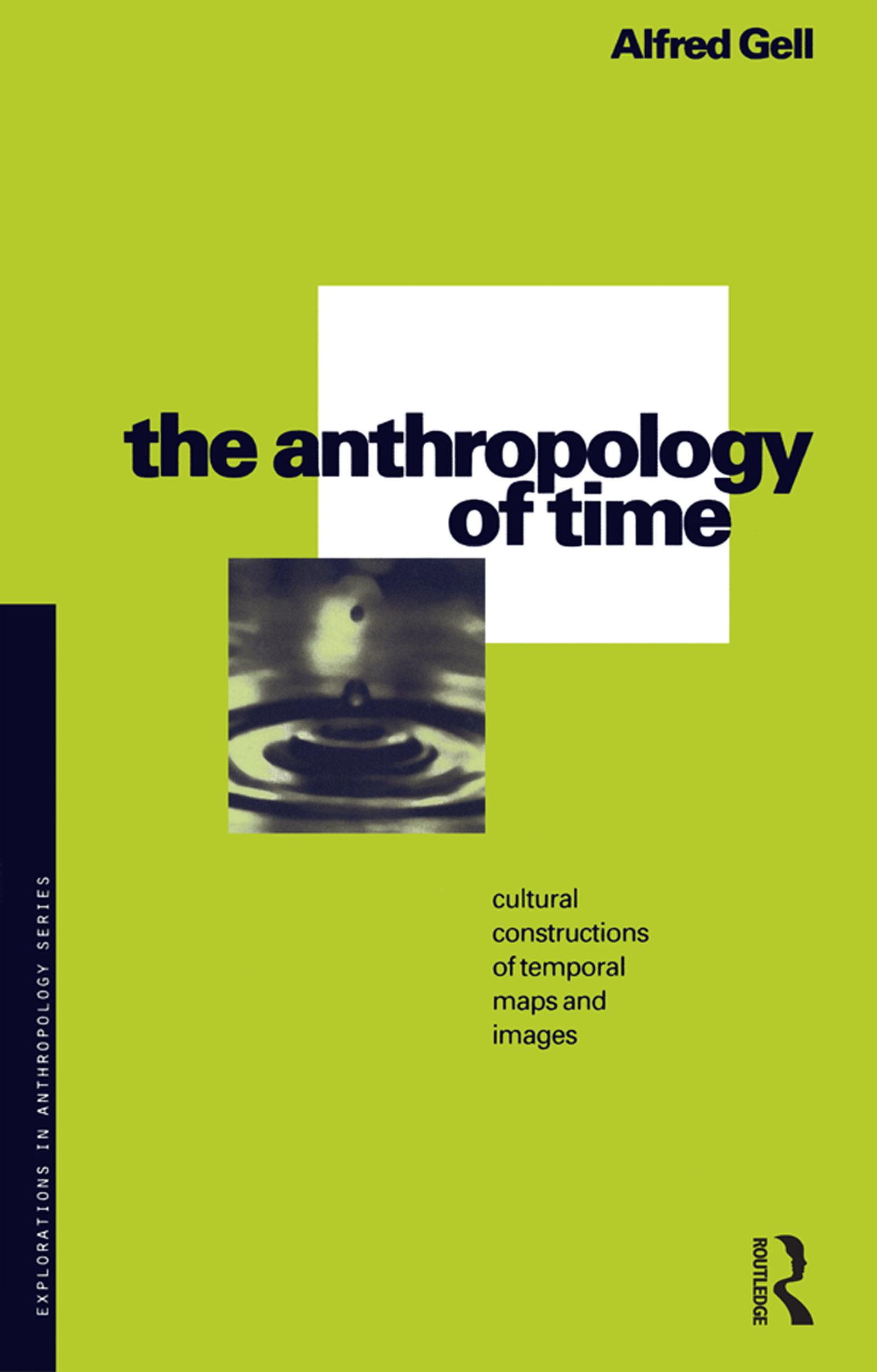
Time - relentless, ever-present but intangible and the single element over which human beings have no absolute control - has long proved a puzzle. The author examines the phenomenon of time and asks such fascinating questions as how time impinges on people, to what extent our awareness of time is culturally conditioned, how societies deal with temporal problems and whether time can be considered a `resource' to be economized. More specifically, he provides a consistent and detailed analysis of theories put forward by a number of thinkers such as Durkheim, Evans-Pritchard, Lévi-Strauss, Geertz, Piaget, Husserl and Bourdieu. His discussion encompasses four main approaches in time research, namely developmental psychology, symbolic anthropology (covering the bulk of post-Durkheimian social anthropology) `economic' theories of time in social geography and, finally, phenomenological theories. The author concludes by presenting his own model of social/cognitive time, in the light of these critical discussions of the literature.
Płać wygodnie kartą, Klarną, Apple Pay lub Google Pay. Nie jesteś zadowolony? Zawsze masz 14-dniową gwarancję zwrotu pieniędzy. Więcej przeczytasz w naszych warunkach. Masz pytania? Napisz do nas na hello@memmo.org.
Memmo ułatwia naukę – gdziekolwiek jesteś na świecie. U nas znajdziesz podręczniki i sprytne narzędzia do nauki w jednym miejscu: streszczenia, quizy, podcasty i fiszki. A do tego Ted, Twój kumpel do nauki, który odpowie na wszystko, co Cię nurtuje. Ponad 50 000 studentów już tu się uczy – stworzone, byś uczył się szybciej i mniej stresował.
Może Ci się spodobać
Kup książkę0