
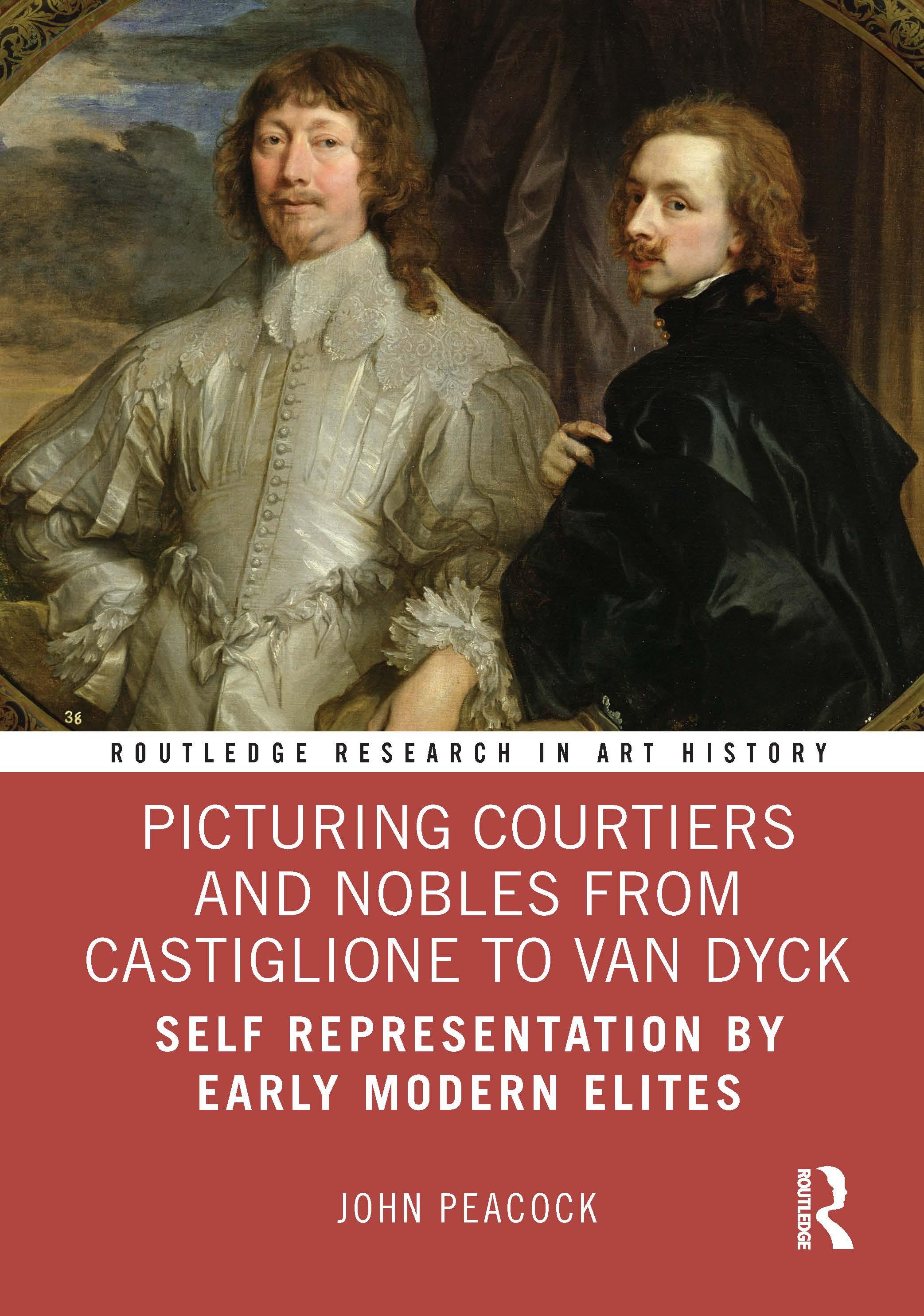
This interdisciplinary study examines painted portraiture as a defining metaphor of elite self-representation in early modern culture.
Beginning with Castiglione’s Book of the Courtier (1528), the most influential early modern account of the formation of elite identity, the argument traces a path across the ensuing century towards the images of courtiers and nobles by the most persuasive of European portrait painters, Van Dyck, especially those produced in London during the 1630s. It investigates two related kinds of texts: those which, following Castiglione, model the conduct of the ideal courtier or elite social conduct more generally; and those belonging to the established tradition of debates about the condition of nobility –how far it is genetically inherited and how far a function of excelling moral and social behaviour. Van Dyck is seen as contributing to these discussions through the language of pictorial art.
The book will be of interest to scholars working in art history, cultural history, early modern history and Renaissance studies.
Płać wygodnie kartą, Klarną, Apple Pay lub Google Pay. Nie jesteś zadowolony? Zawsze masz 14-dniową gwarancję zwrotu pieniędzy. Więcej przeczytasz w naszych warunkach. Masz pytania? Napisz do nas na hello@memmo.org.
Memmo ułatwia naukę – gdziekolwiek jesteś na świecie. U nas znajdziesz podręczniki i sprytne narzędzia do nauki w jednym miejscu: streszczenia, quizy, podcasty i fiszki. A do tego Ted, Twój kumpel do nauki, który odpowie na wszystko, co Cię nurtuje. Ponad 50 000 studentów już tu się uczy – stworzone, byś uczył się szybciej i mniej stresował.