
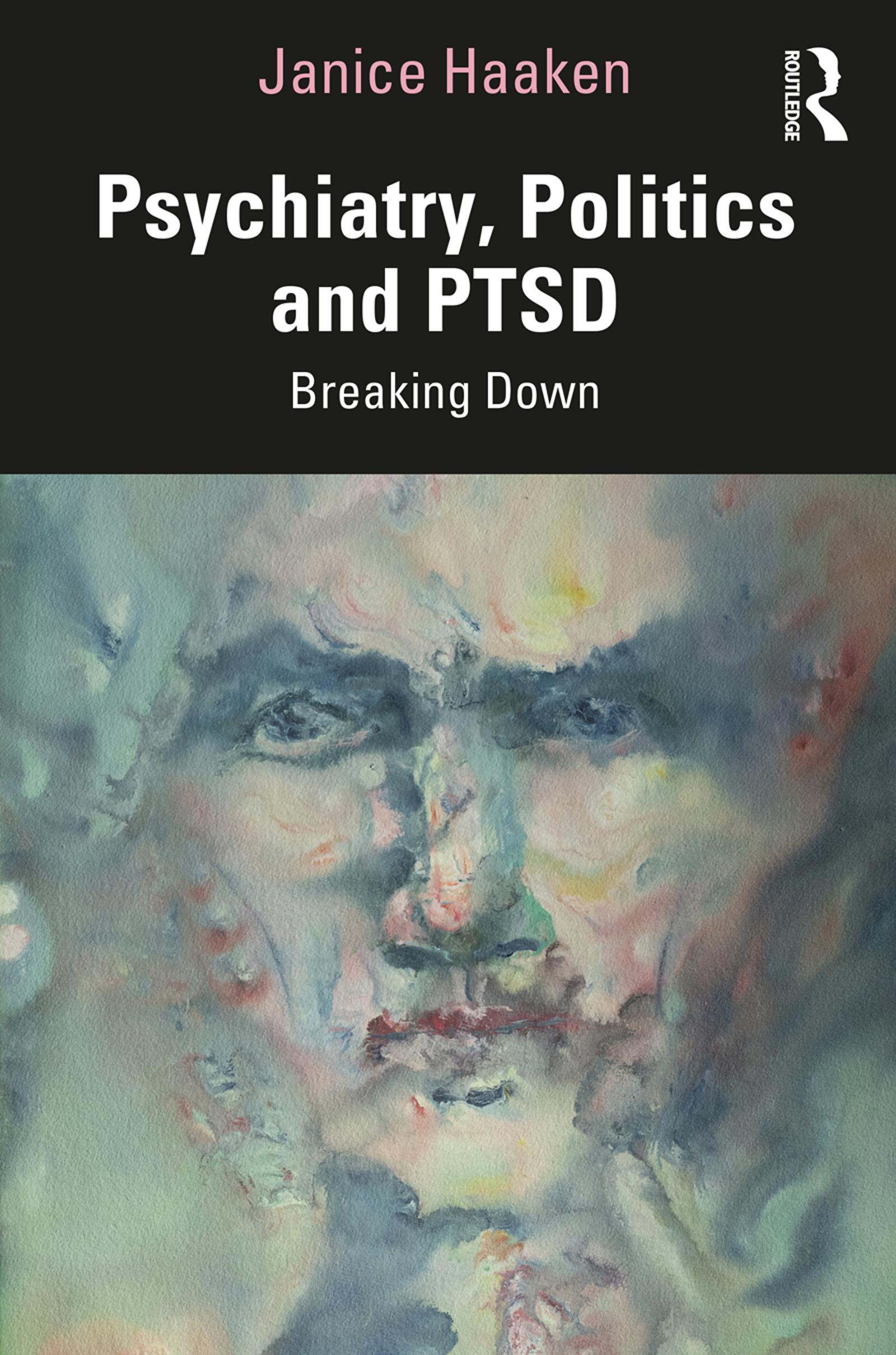
Integrating critical and feminist psychology, psychiatry, and psychoanalysis, this text offers a distinct perspective of posttraumatic stress disorder (PTSD) as a clinical and social phenomenon.
The book draws upon interviews carried out in field settings to examine the true individual and social costs of being diagnosed with PTSD. The author examines how social contexts and social movements shape diagnostic thinking about mental trauma and how the PTSD diagnosis emerged as a symptom of a crisis in psychiatry over demands to recognize the social and political origins of mental suffering. Chapters explore case examples from a range of settings, such as military and veterans' affairs clinics, war zones and refugee camps, psychosomatic medicine, the criminal justice system, and more.
Providing a new way of thinking about PTSD and an alternative to both critics and defenders of the diagnosis, this text will be useful for scholars and practitioners in psychiatry, psychology, psychoanalysis, public health policy as well as, sociology, social work, gender studies, and the law.
Płać wygodnie kartą, Klarną, Apple Pay lub Google Pay. Nie jesteś zadowolony? Zawsze masz 14-dniową gwarancję zwrotu pieniędzy. Więcej przeczytasz w naszych warunkach. Masz pytania? Napisz do nas na hello@memmo.org.
Memmo ułatwia naukę – gdziekolwiek jesteś na świecie. U nas znajdziesz podręczniki i sprytne narzędzia do nauki w jednym miejscu: streszczenia, quizy, podcasty i fiszki. A do tego Ted, Twój kumpel do nauki, który odpowie na wszystko, co Cię nurtuje. Ponad 50 000 studentów już tu się uczy – stworzone, byś uczył się szybciej i mniej stresował.