
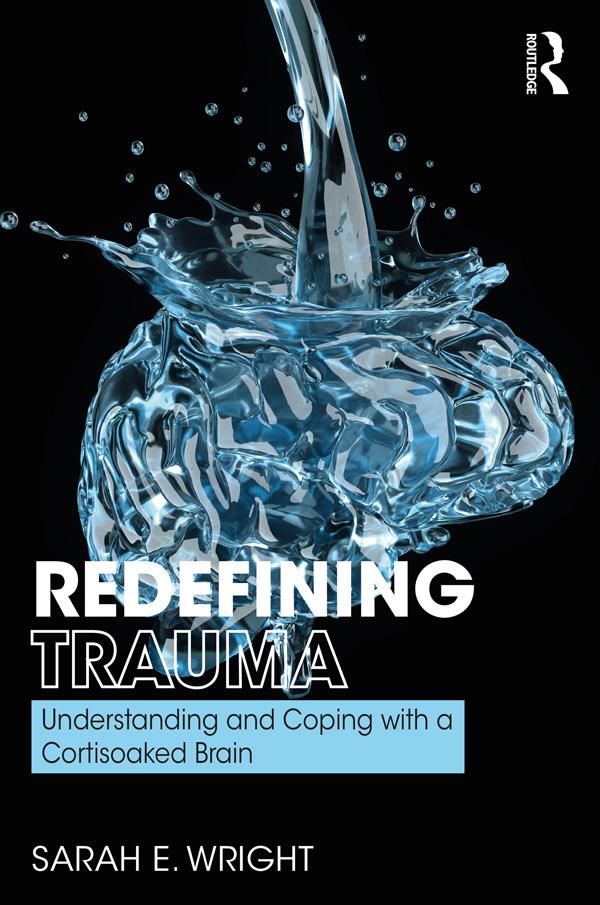
This accessible guide explores how our brains react to stress and offers a fresh perspective on how we define "trauma." Probing how the words we use can influence our understanding of distress, this text focuses on expanding awareness of excess stress and reducing judgment of its potential impact on relationships and day-to-day life.
Helpfully split into three parts, the book introduces the terms "cortisprinkled," "cortisaturated," and "cortisoaked" and provides a rationale for why these states of brain occur. The role of culture and society are highlighted, and an in-depth focus on coping and offering support to others is presented. Whether caused by sexual assault, social rejection, abuse, the taboo of sexuality, disadvantaged status, or other difficulties, chapters detail specific coping skills and step-by-step strategies to deal with a variety of stress responses. Advice is offered on reconnecting with sexuality, phrasing difficult questions, and ways to offer validation, with concrete recommendations on incorporating healthier practices into everyday life.
Both metaphor and real-world vignettes are interwoven throughout, making Redefining Trauma an essential and understandable resource for therapists and their clients, parents and support givers, and anyone looking to develop practical, informed methods for dealing with stress and trauma and reclaim life with intention.
Płać wygodnie kartą, Klarną, Apple Pay lub Google Pay. Nie jesteś zadowolony? Zawsze masz 14-dniową gwarancję zwrotu pieniędzy. Więcej przeczytasz w naszych warunkach. Masz pytania? Napisz do nas na hello@memmo.org.
Memmo ułatwia naukę – gdziekolwiek jesteś na świecie. U nas znajdziesz podręczniki i sprytne narzędzia do nauki w jednym miejscu: streszczenia, quizy, podcasty i fiszki. A do tego Ted, Twój kumpel do nauki, który odpowie na wszystko, co Cię nurtuje. Ponad 50 000 studentów już tu się uczy – stworzone, byś uczył się szybciej i mniej stresował.