
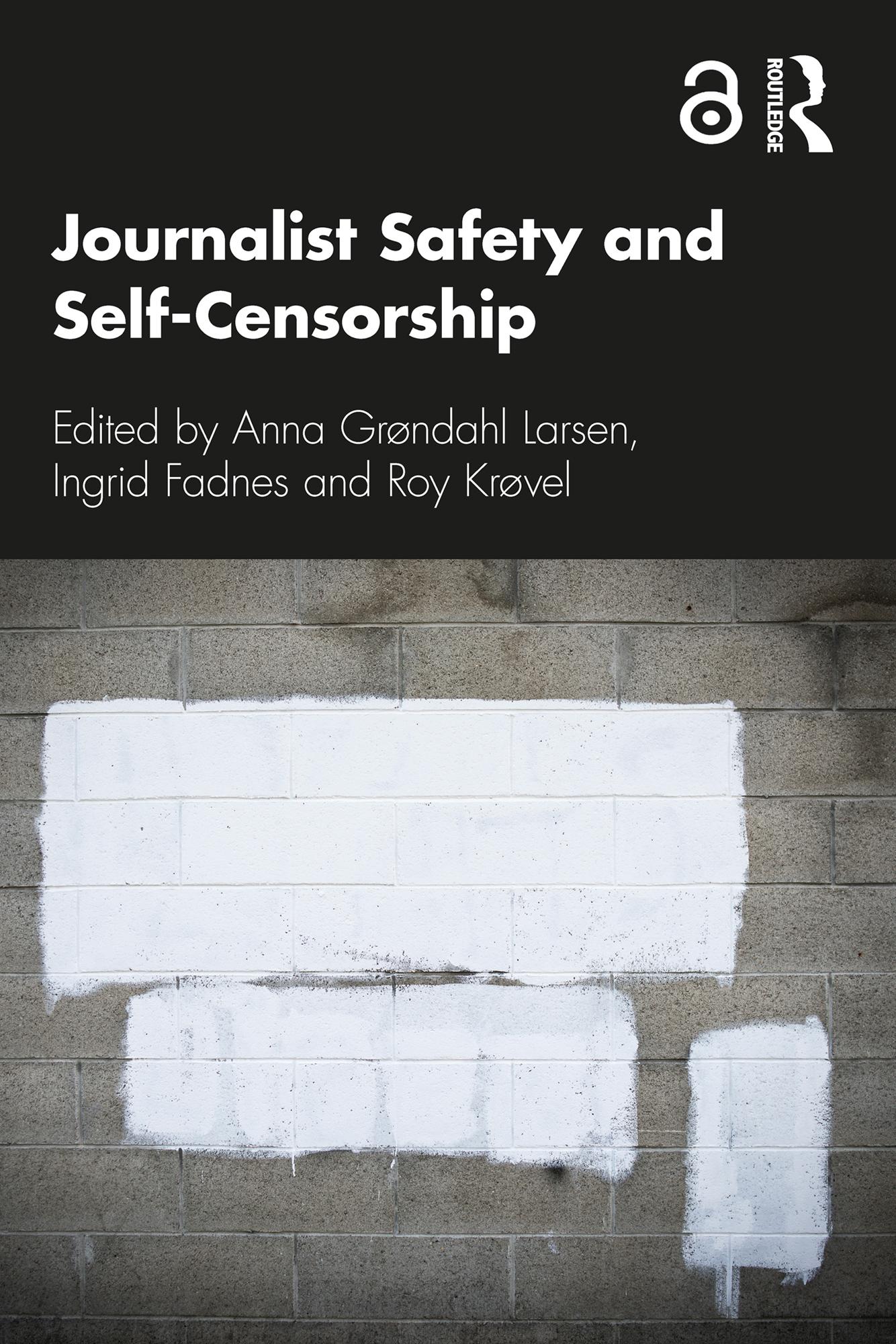
This book explores the relationship between the safety of journalists and self-censorship practices around the world, including local case studies and regional and international perspectives.
Bringing together scholars and practitioners from around the globe, Journalist Safety and Self-Censorship provides new and updated insights into patterns of self-censorship and free speech, focusing on a variety of factors that affect these issues, including surveillance, legislation, threats, violent conflict, gender-related stereotypes, digitisation and social media. The contributions examine topics such as trauma, risk and self-censorship among journalists in different regions of the world, including Central America, Estonia, Turkey, Uganda and Pakistan. The book also provides conceptual clarity to the notion of journalist self-censorship, and explores the question of how self-censorship may be studied empirically.
Combining both theoretical and practical knowledge, this collection serves as a much-needed resource for any academic, student of journalism, practicing journalist, or NGO working on issues of journalism, safety, free speech and censorship.
Płać wygodnie kartą, Klarną, Apple Pay lub Google Pay. Nie jesteś zadowolony? Zawsze masz 14-dniową gwarancję zwrotu pieniędzy. Więcej przeczytasz w naszych warunkach. Masz pytania? Napisz do nas na hello@memmo.org.
Memmo ułatwia naukę – gdziekolwiek jesteś na świecie. U nas znajdziesz podręczniki i sprytne narzędzia do nauki w jednym miejscu: streszczenia, quizy, podcasty i fiszki. A do tego Ted, Twój kumpel do nauki, który odpowie na wszystko, co Cię nurtuje. Ponad 50 000 studentów już tu się uczy – stworzone, byś uczył się szybciej i mniej stresował.