
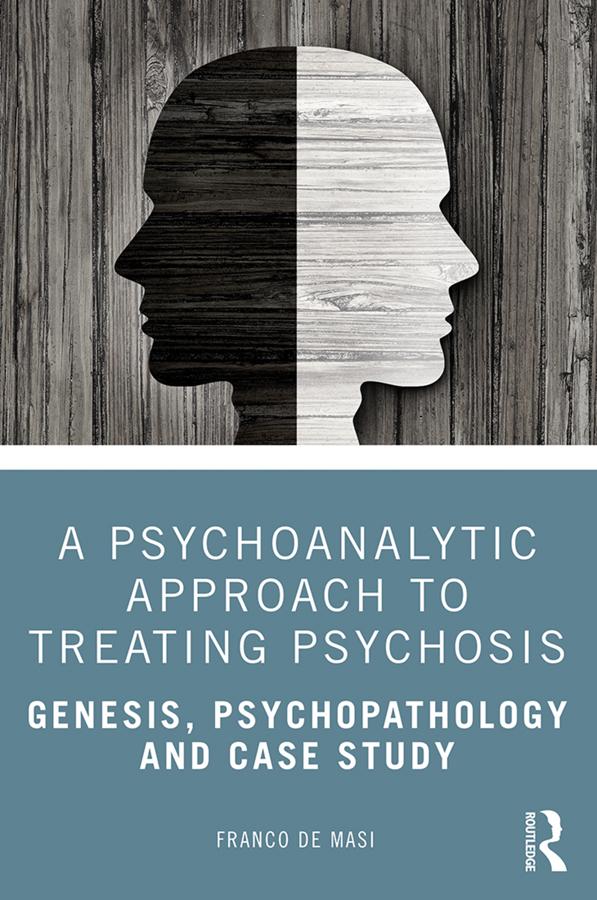
A Psychoanalytic Approach to Treating Psychosis shows how, by understanding the antecedents and dynamics of psychosis, a psychoanalytic approach can offer a long-term alternative to the only psychotropic therapy and an explanation of the infantile origin of the illness.
This ground-breaking examination begins by clearly explaining complex terms and theories from the most significant thinkers in psychoanalysis. Split into three parts, it then explores the problems faced when following one specific technique for understanding the psychotic process. Practical as well as theoretical, Part 2 illustrates how to prepare an appropriate setting for the patient, including the importance of listening and the analyst’s approach, as well as highlighting key features of the condition, such as delusions, hallucinations, infantile withdrawal and psychotic dreams. Acknowledging that psychosis is a psychic transformation which the mind works as a sensorial organ, the author asserts that the seeds are sown in childhood through emotional trauma, leading to withdrawal into a fantasy world.
Brimming with real-life vignettes throughout, Part 3 is dedicated to a unique and lengthy case study to illustrate the challenges of working with such patients. It also looks positively towards future research on psychosis informed by insights from neuroscience.
Innovative and accessible, this book will be essential reading for anyone working in psychosis, including psychoanalysts, psychiatrists, psychologists and physicians.
Płać wygodnie kartą, Klarną, Apple Pay lub Google Pay. Nie jesteś zadowolony? Zawsze masz 14-dniową gwarancję zwrotu pieniędzy. Więcej przeczytasz w naszych warunkach. Masz pytania? Napisz do nas na hello@memmo.org.
Memmo ułatwia naukę – gdziekolwiek jesteś na świecie. U nas znajdziesz podręczniki i sprytne narzędzia do nauki w jednym miejscu: streszczenia, quizy, podcasty i fiszki. A do tego Ted, Twój kumpel do nauki, który odpowie na wszystko, co Cię nurtuje. Ponad 50 000 studentów już tu się uczy – stworzone, byś uczył się szybciej i mniej stresował.