
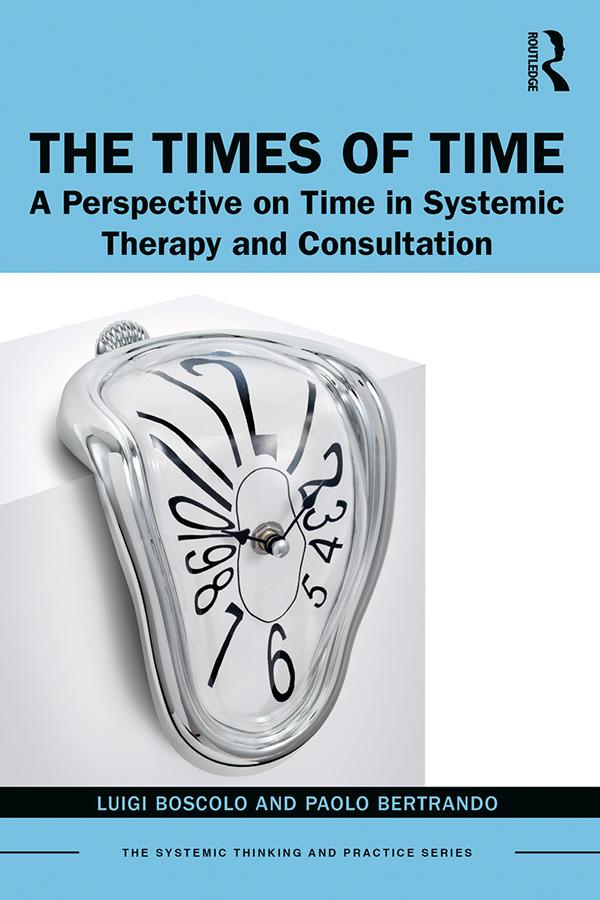
This is the most comprehensive study of the role of time in psychotherapy. It illustrates how time is experienced in different ways – individual time, family time, and social time – and how time can act as an invaluable metaphor in shaping clinical practice within a systemic approach, while maintaining connections with other approaches, such as psychoanalysis and cognitive therapies.
A seminal volume on this topic, the book looks at issues such as the duration of therapy; the relevance of past, present, and future in therapy; and the balance of memory and oblivion. It also includes a discussion of how time is framed in other disciplines, including sociology, history, and psychopathology, whilst exploring the concept in practical terms through case vignettes and complete case histories, including the transcripts of actual sessions. The reader is thus given a set of guidelines for dealing with time issues in therapy from a systemic perspective.
Originally published in 1993, the book has been updated to create a dialogue with contemporary theoretical debates, as well as social and technological changes. It will fascinate all psychotherapists, particularly those interested in a systemic practice.
Płać wygodnie kartą, Klarną, Apple Pay lub Google Pay. Nie jesteś zadowolony? Zawsze masz 14-dniową gwarancję zwrotu pieniędzy. Więcej przeczytasz w naszych warunkach. Masz pytania? Napisz do nas na hello@memmo.org.
Memmo ułatwia naukę – gdziekolwiek jesteś na świecie. U nas znajdziesz podręczniki i sprytne narzędzia do nauki w jednym miejscu: streszczenia, quizy, podcasty i fiszki. A do tego Ted, Twój kumpel do nauki, który odpowie na wszystko, co Cię nurtuje. Ponad 50 000 studentów już tu się uczy – stworzone, byś uczył się szybciej i mniej stresował.